Lowcountry, High Standards
Two and a half days of eating my way through Charleston
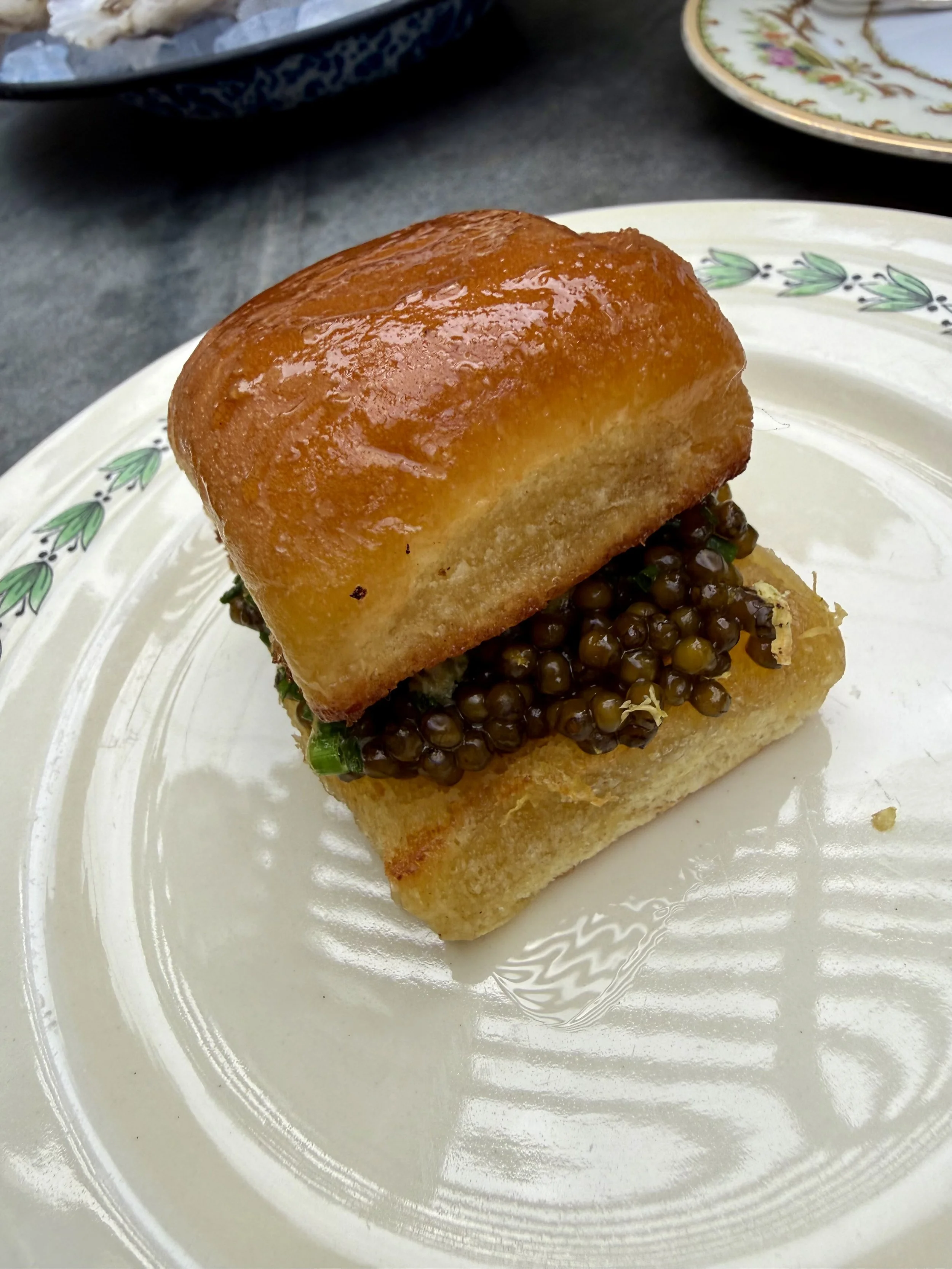
The Sammich’ arrived looking almost too simple for its reputation: a glossy potato roll, split and generously slathered with crème fraîche, a hint of lemon zest, then piled high with glistening caviar. Twenty-eight dollars. One bite and I understood why people stand for hours in the Charleston heat for this.
I should have ordered ten.
But lets rewind.
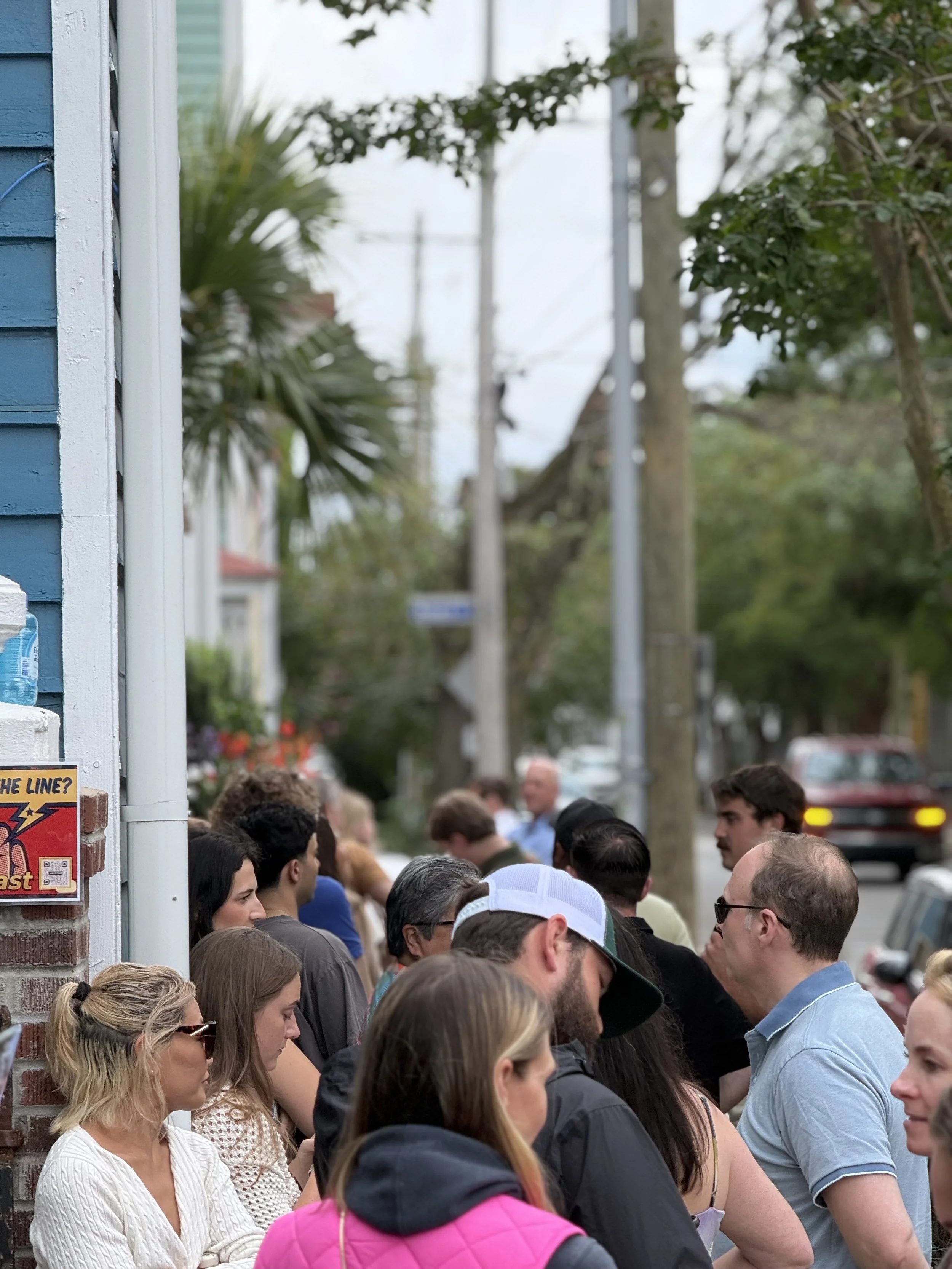
At 4:00 that afternoon, I joined the end of a line that snaked down the block from an unassuming powder-blue building on the corner of Coming and Bogard. Palm trees swayed lazily overhead while curious drivers slowed to stare. I stood shoulder-to-shoulder with strangers who had made the same calculation: this had better be worth it.
Some had been there since 1:00, armed with folding chairs and phone chargers. Others had dropped $50 on professional line-holders—cheerful humans in rainbow umbrella hats braving the Charleston heat. I did neither. I was taking a risk, entirely unsure if I was going to make it inside.
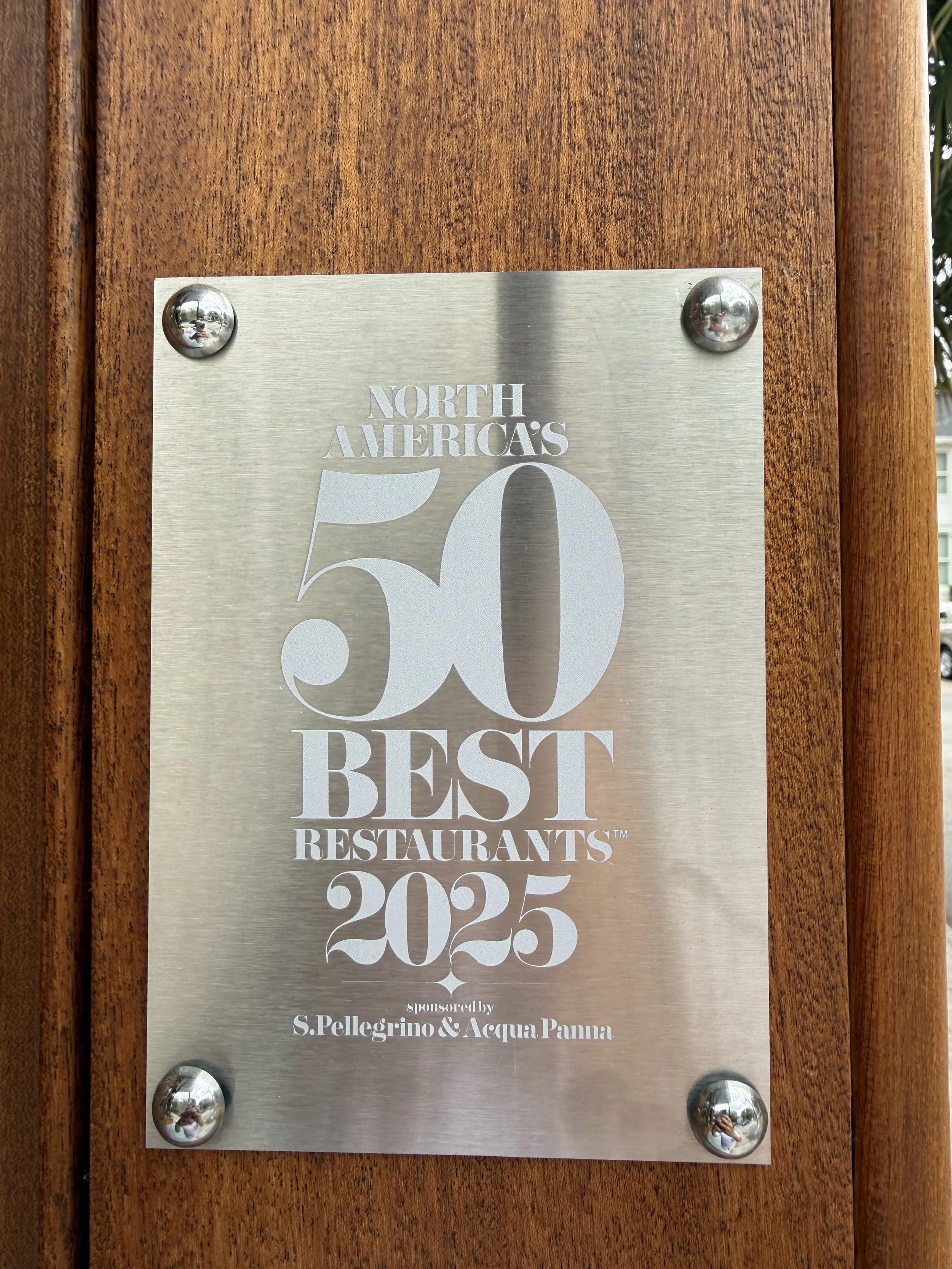
Chubby Fish has just forty seats, including six at an impossibly cramped chef's counter. I was the last table they took from that line. Stepping through the door, the sweaty wait on the sidewalk dissolved. A ships wheel chandelier presides over white-painted beadboard and warm wood tones, vintage pressed-tin ceilings and open shelving holding wine, ceramics and books — an elevated Lowcountry fish camp, simple and genuine and full of character. This is a tiny seafood spot that has lost its mind with greatness — named the best new restaurant in America by Bon Appétit and landing on the New York Times and North America's 50 Best lists. After standing in that line, your hope that the accolades are true becomes demandingly real.
Chef James London runs one of the most maniacally focused kitchens in the American South. He serves only what was caught that day. If his local purveyor, Tarvin Seafood, doesn't have shrimp, there is no shrimp on the menu. No frozen backup. No compromise. The card is conceived fresh every afternoon from whatever comes off the boats, which means the nightly line outside isn't hype. It's the natural result of food that didn't exist yesterday and won't exist tomorrow.
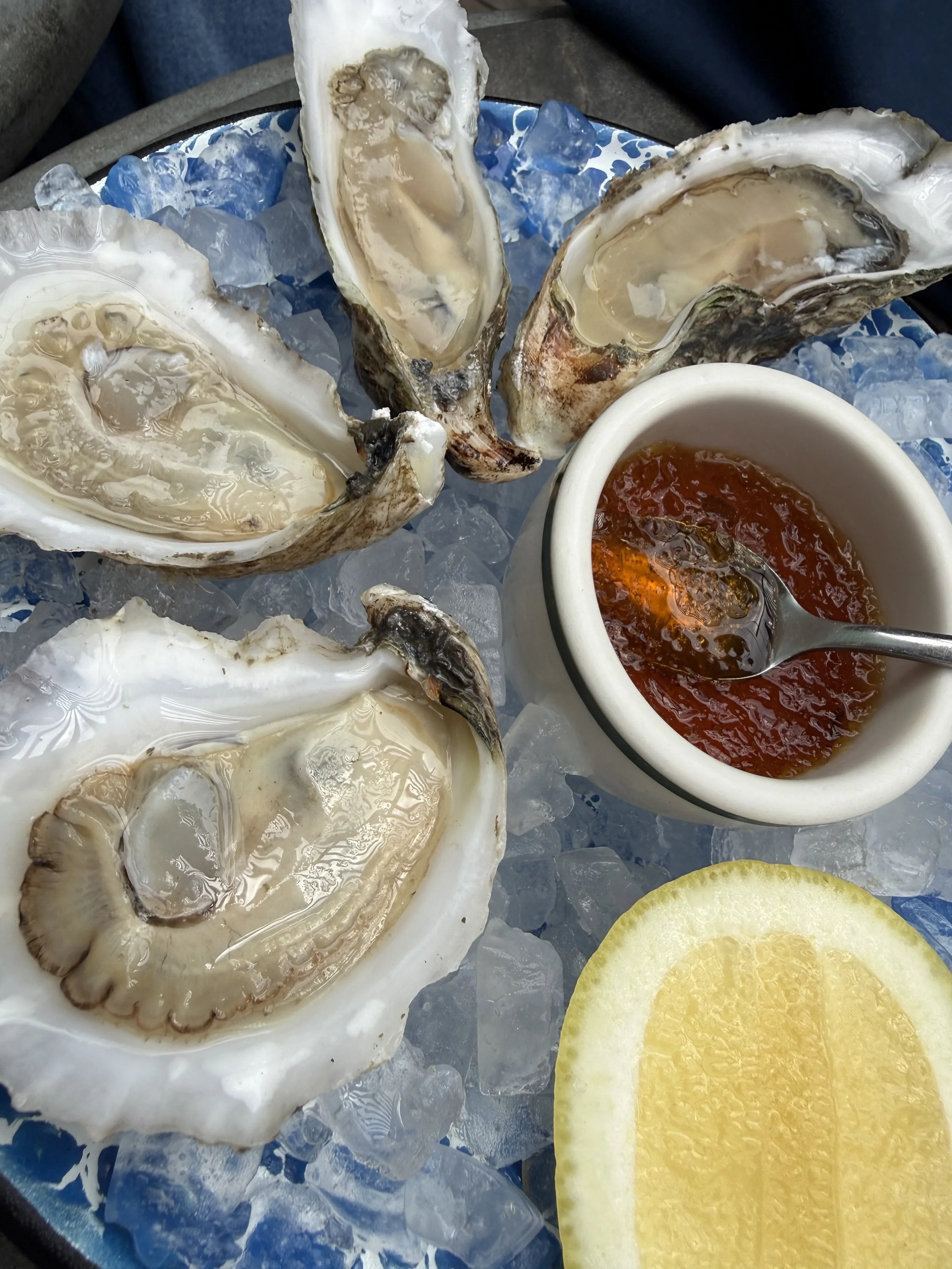
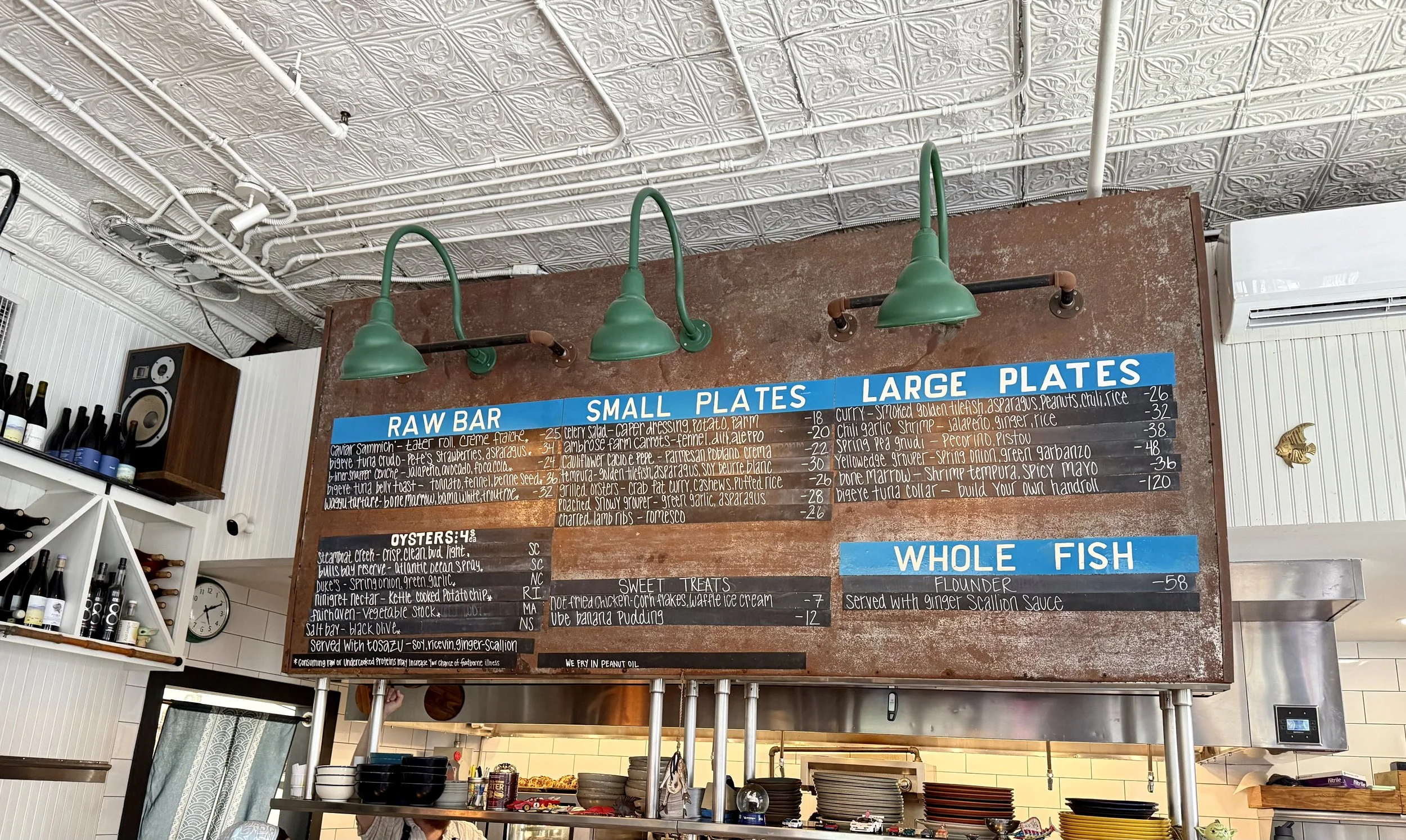
The menu is a simple chalkboard hoisted high over the line. Starters, small plates, large plates. The oyster list ran half Carolina, half Northeast. I stayed true to the Lowcountry and chose the Steamboat Creek oysters, harvested no more than thirty minutes from where I sat. Instead of a traditional mignonette, Chef London serves them with tosazu: soy, rice vinegar, ginger, scallion, and salmon roe—a nod to his Japanese fine dining roots. The combination was unexpected but so right, evoking oysters I’ve eaten in Tokyo—a clean marriage of brine, umami, and restraint—while remaining unmistakably Charleston.
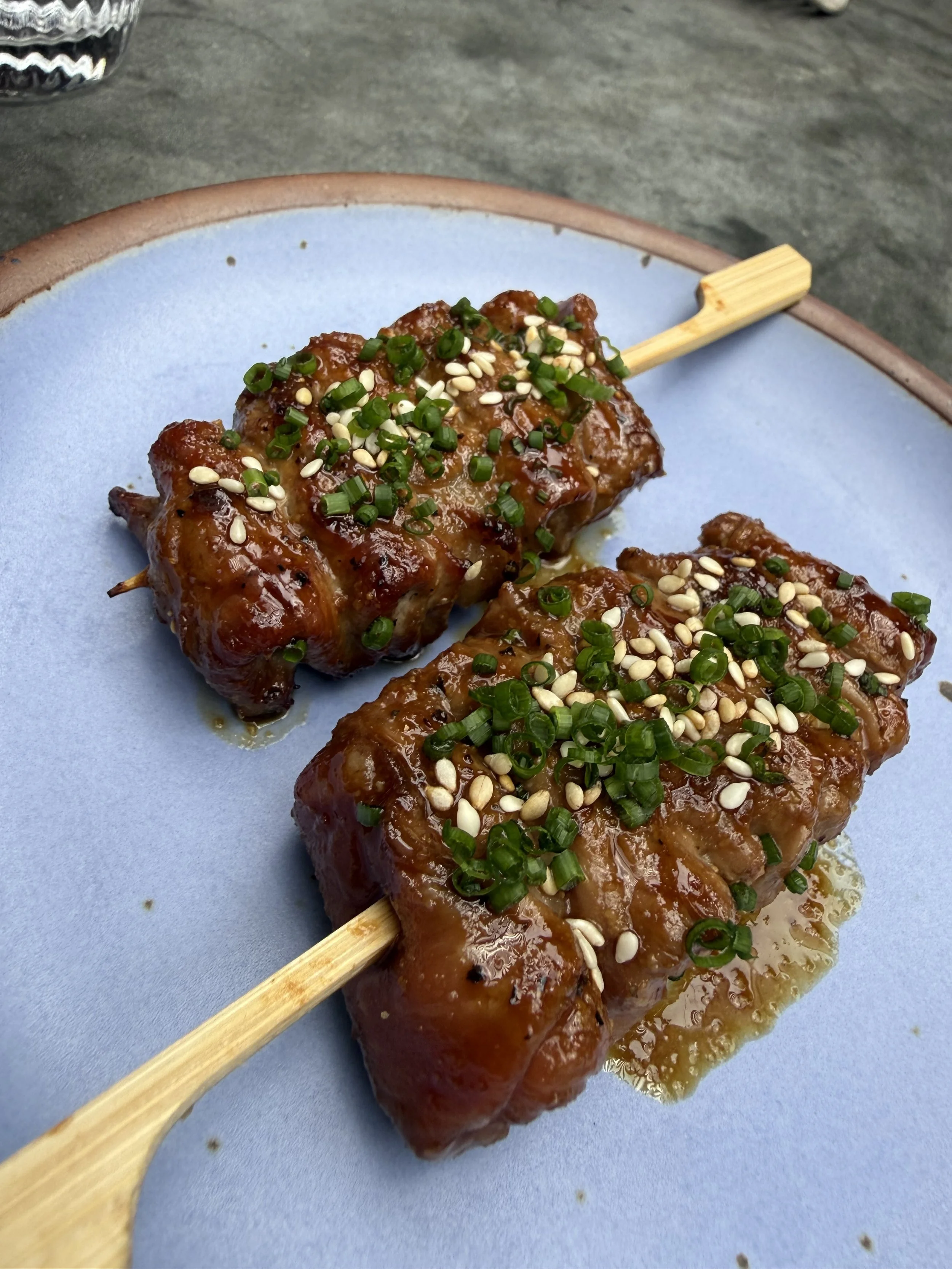
Next came A5 Wagyu skewers with soy and sesame, hot off the binchotan, and a line-caught snapper ceviche, bright with jalapeño and lime. Then came a cauliflower cacio e pepe draped in parmesan and poblano crema, which was so unexpectedly tender and perfectly balanced that we couldn't stop raving about it. Our server noticed and mentioned it to the kitchen. Chef London came out to our table, and as we shared how much we loved it, Mary chimed in that I make a pretty decent version back home. Looking right at me, he asked: "What do you do with it? Tell me more." The chef behind one of the hottest tables in the South, genuinely curious about how a guest cooks cauliflower in their own kitchen. That single moment tells you exactly what kind of restaurant Chubby Fish is.
The chili garlic shrimp arrived next, packing just enough heat to lift the seafood without crowding it, followed by grilled grouper with spring onion and green garbanzo. Both were presented with enough confidence to step back and let the ingredients speak. It reinforced the restaurant's quiet philosophy: the ingredient is the point. Everything else around it exists only to prove it.
Of course, Chubby Fish's wild success created its own unique problem. So many people lined up on the neighborhood sidewalks that the neighbors started to complain. Chef London's solution was to buy the house next door, name it Seahorse, and hollow it out into a waiting area complete with speakers, cocktails, and a few tables spilling into the space between the two buildings.Because we were the last ones let in, we were seated at one of those outdoor tables. Honestly, they could have flipped a plastic fish crate upside down, dumped the ice, and I wouldn’t have been bothered one bit. What a meal.
A breezy patio. Beautiful rosé. '80s music on the stereo. Servers smiling. Strangers laughing together. For a couple of hours, the feeling of shared triumph was palpable.
We had all made it into Chubby Fish.
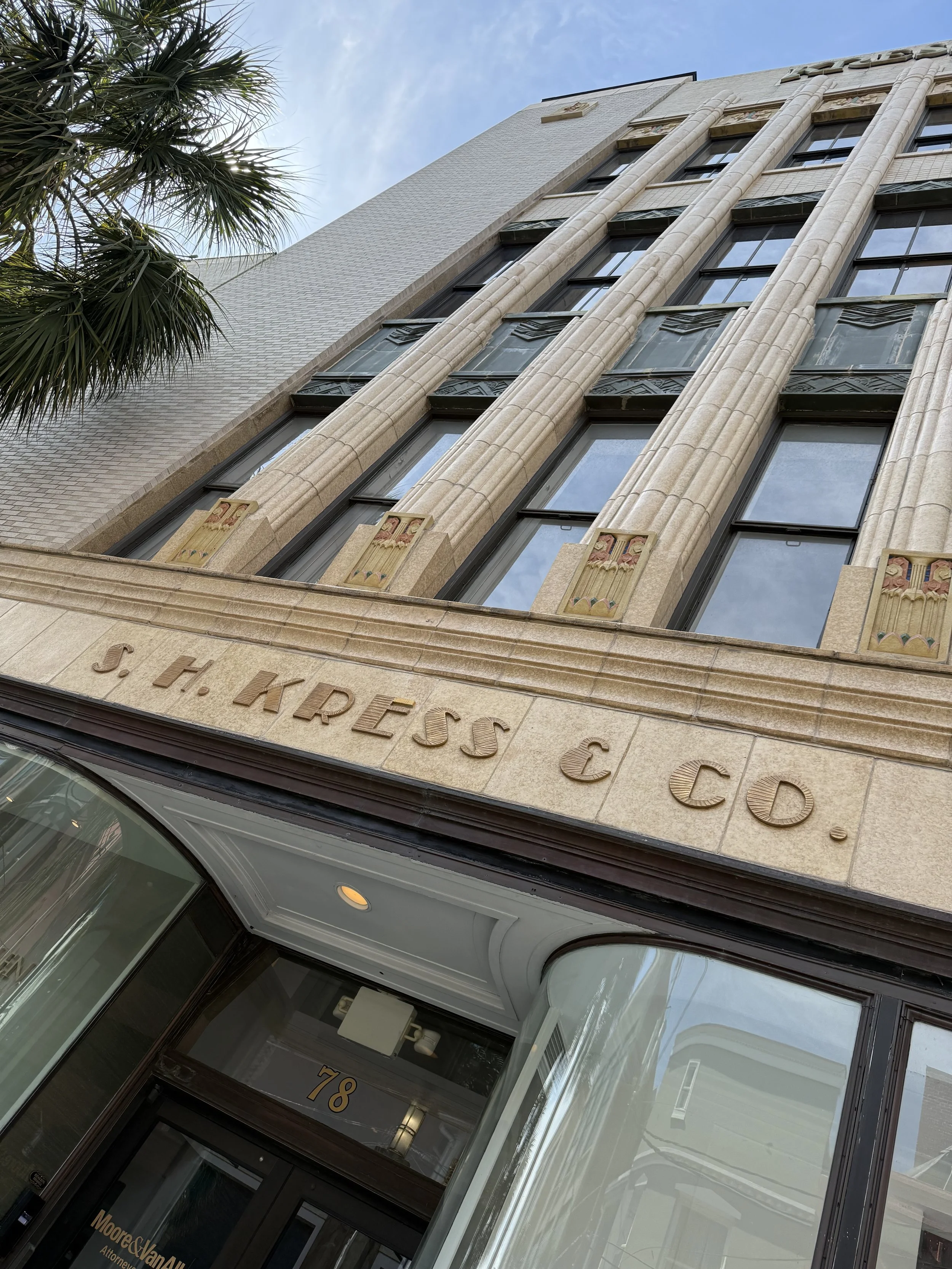
Charleston is called the Holy City for a reason. By law, no building may exceed the height of its tallest church steeple. The result is a skyline of extraordinary grace — a city that has decided, at the level of municipal code, that certain things are worth protecting.
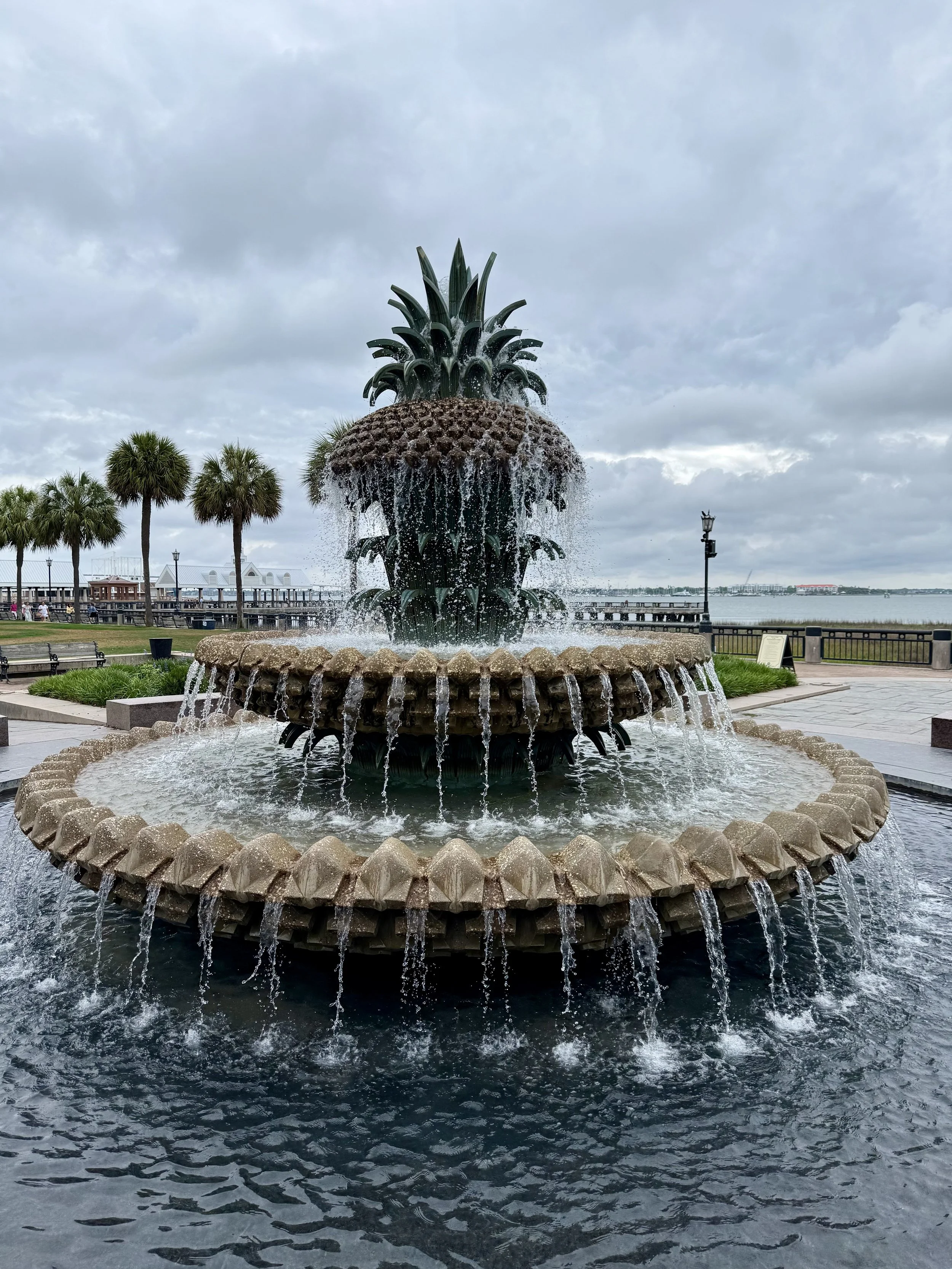
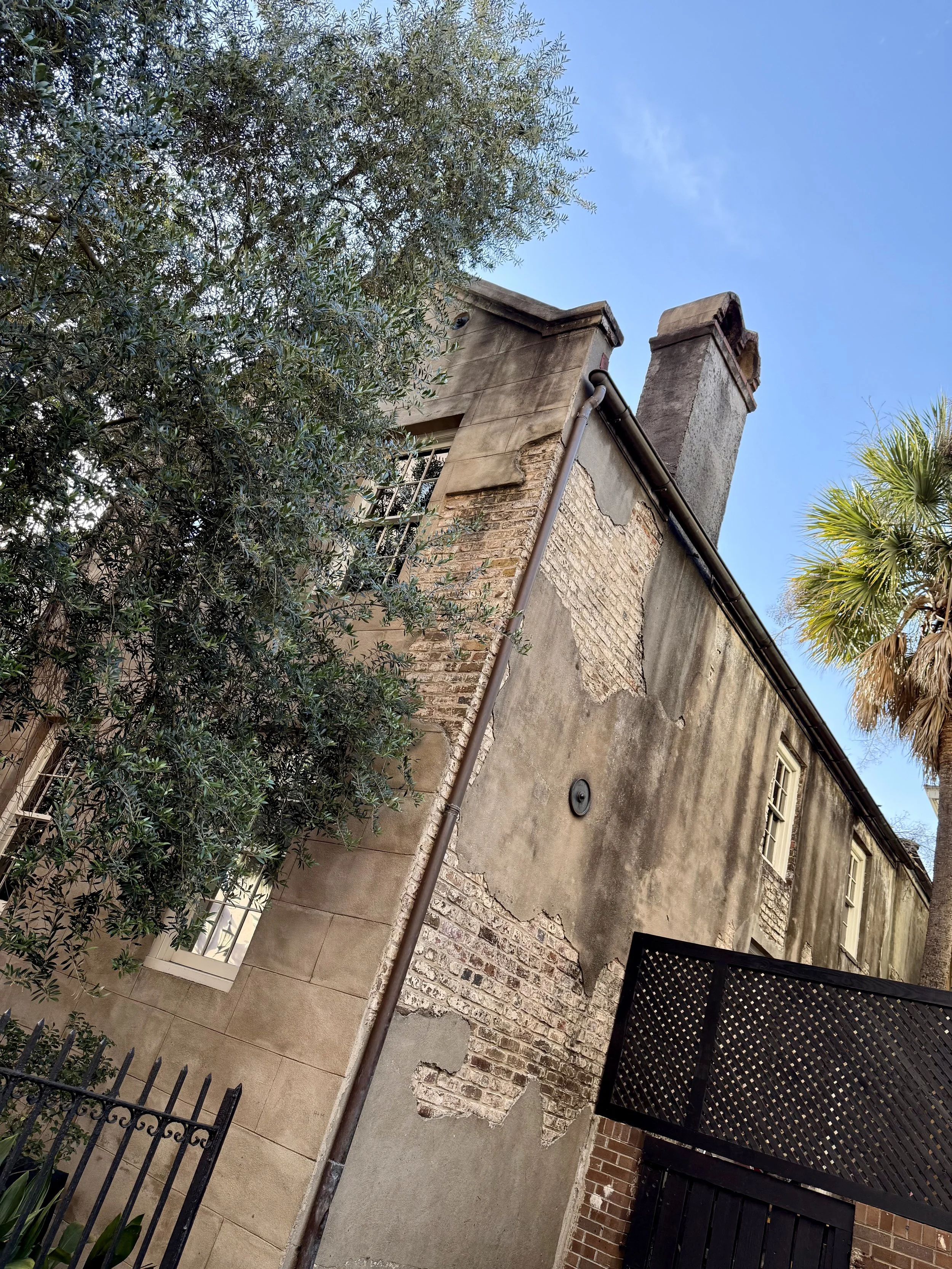
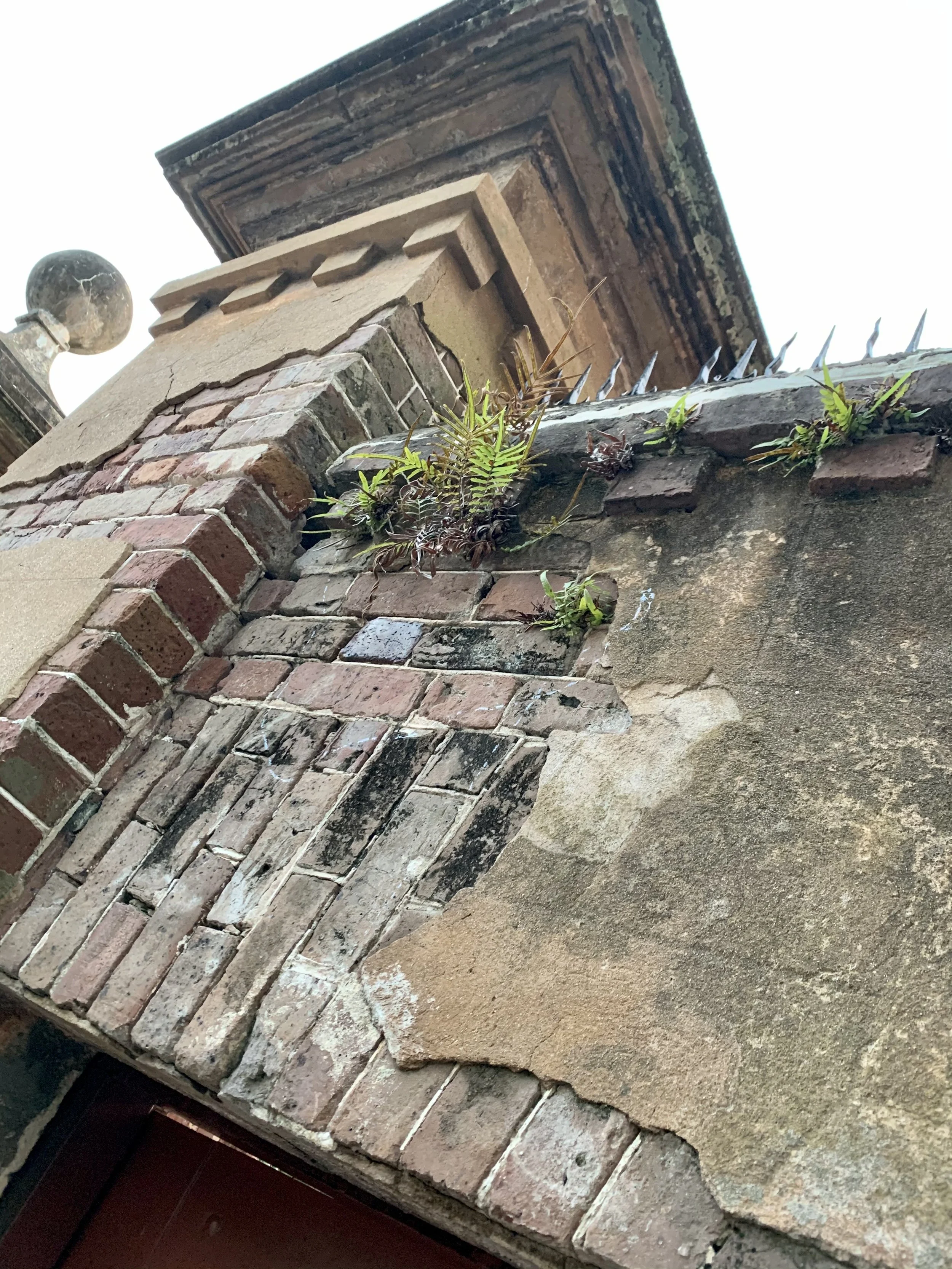
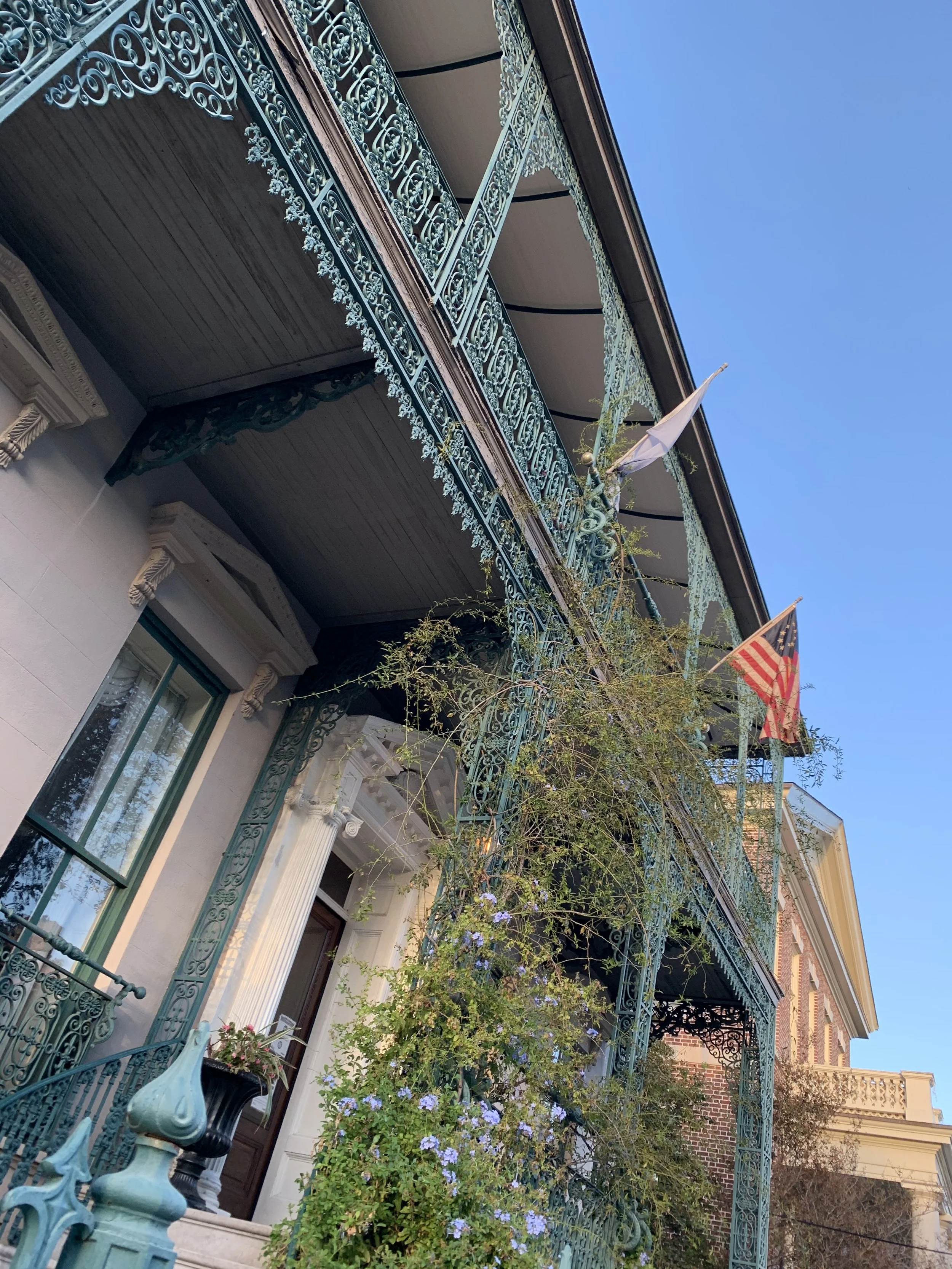
Walk its cobblestone streets past Rainbow Row and the antebellum mansions of Meeting Street, through the wrought iron gates of the French Quarter, and down to The Battery where the harbor opens wide and the air smells of salt and history. You immediately understand that this is a place with a long memory and very strong opinions about how things ought to be done. That same sensibility extends, completely and without apology, to the table.
We had two and a half days. Five restaurants. A crash course in why Charleston belongs in any serious conversation about America’s great food cities.
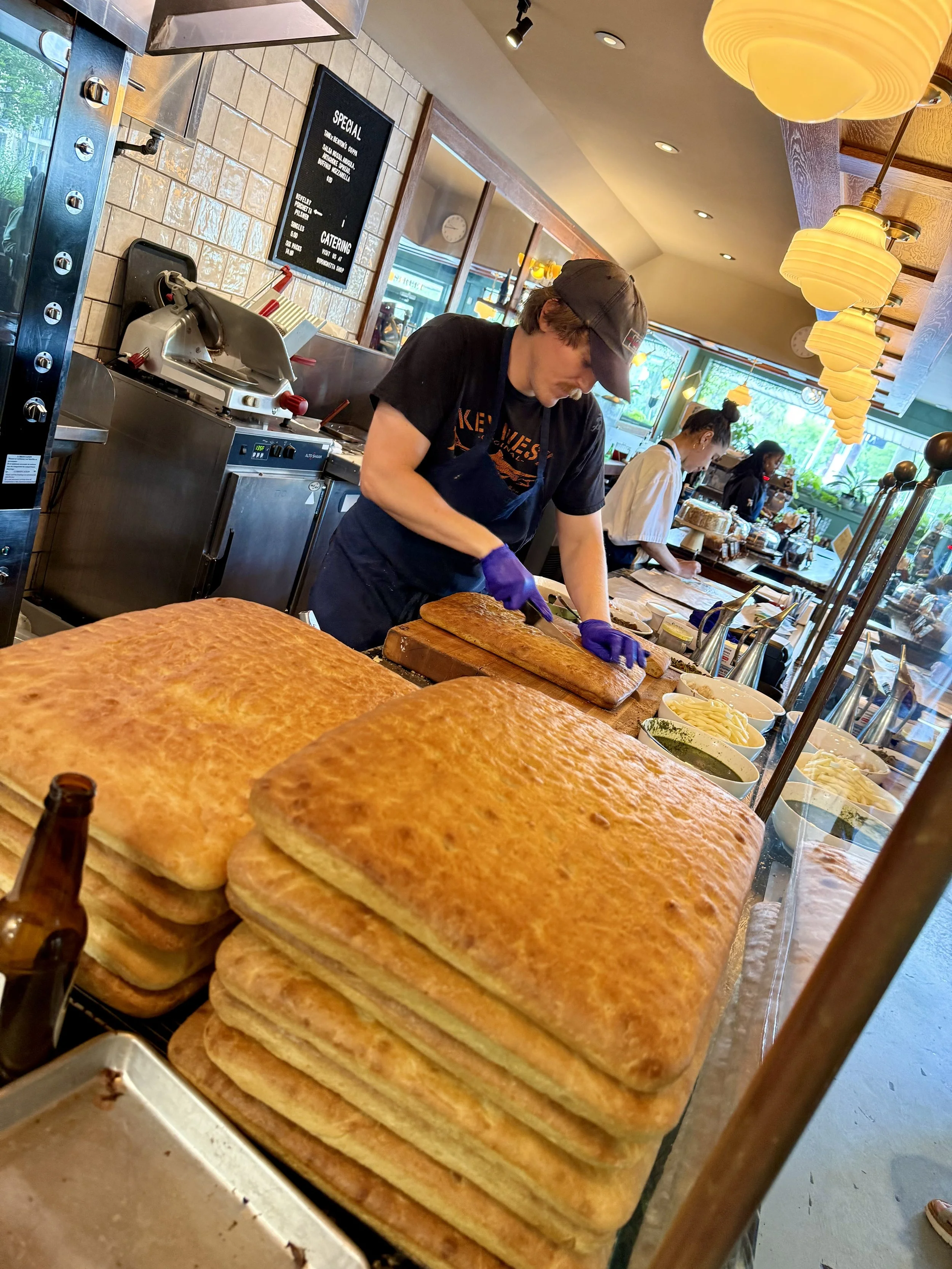
Day one started at Da Toscano Porchetta Shop on President Street — a three-year-old local legend that has already become indispensable to the nearby Medical University crowd and College of Charleston students.
Think Florence’s All’Antico Vinaio, the Instagram phenomenon, but translated into Charleston’s unhurried grace. You know it the moment you walk in. The stacks of bread still warm from the oven. The neat mise en place of olive oil spreads, cracklin’s and salsa verde arranged with quiet pride. The sandwich maker moving with calm precision, treating every order as if it were his own lunch.
The smell alone — fresh bread and long-simmered meat tells you you’ve made the right decision before you’ve even ordered.
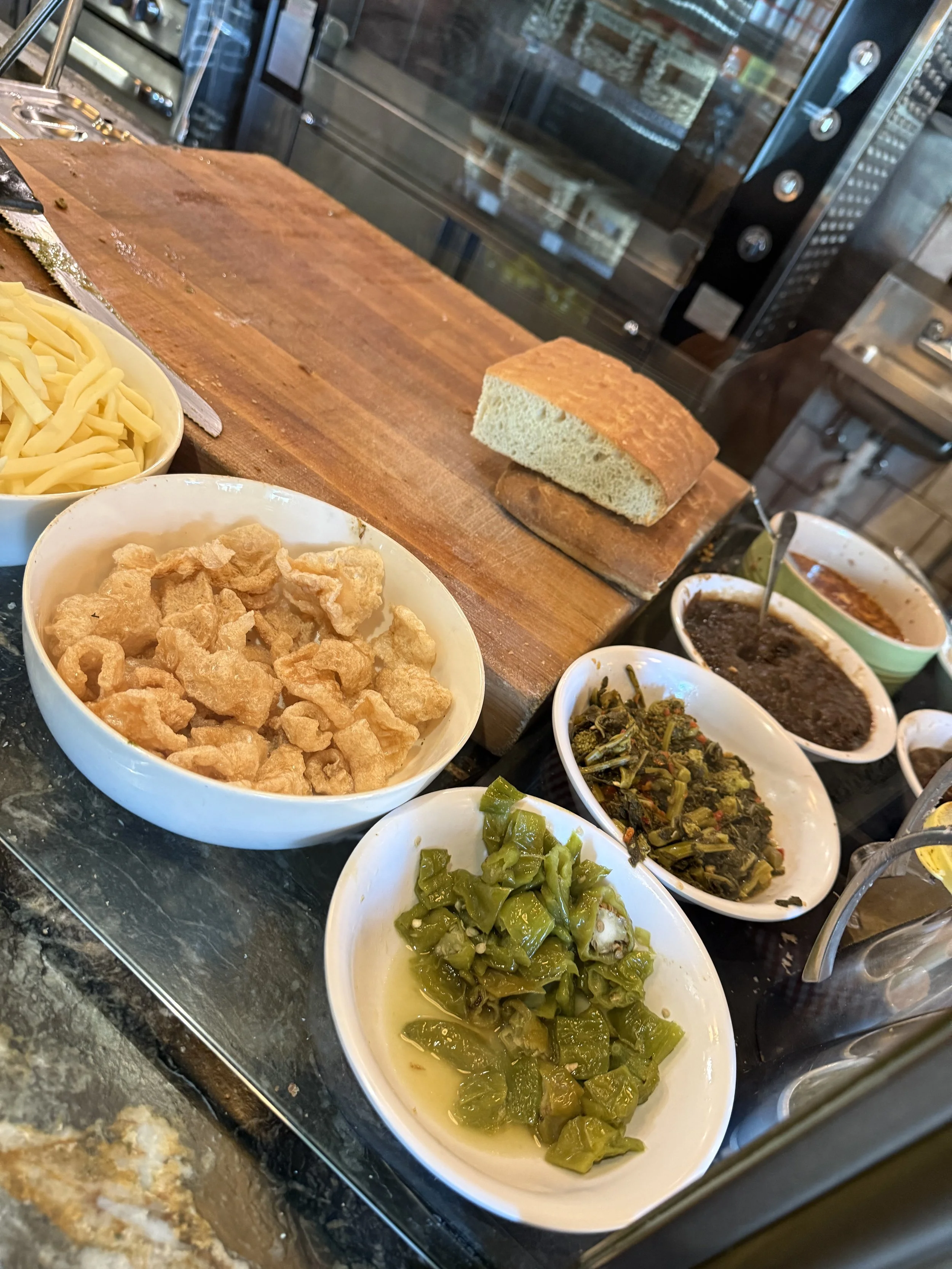
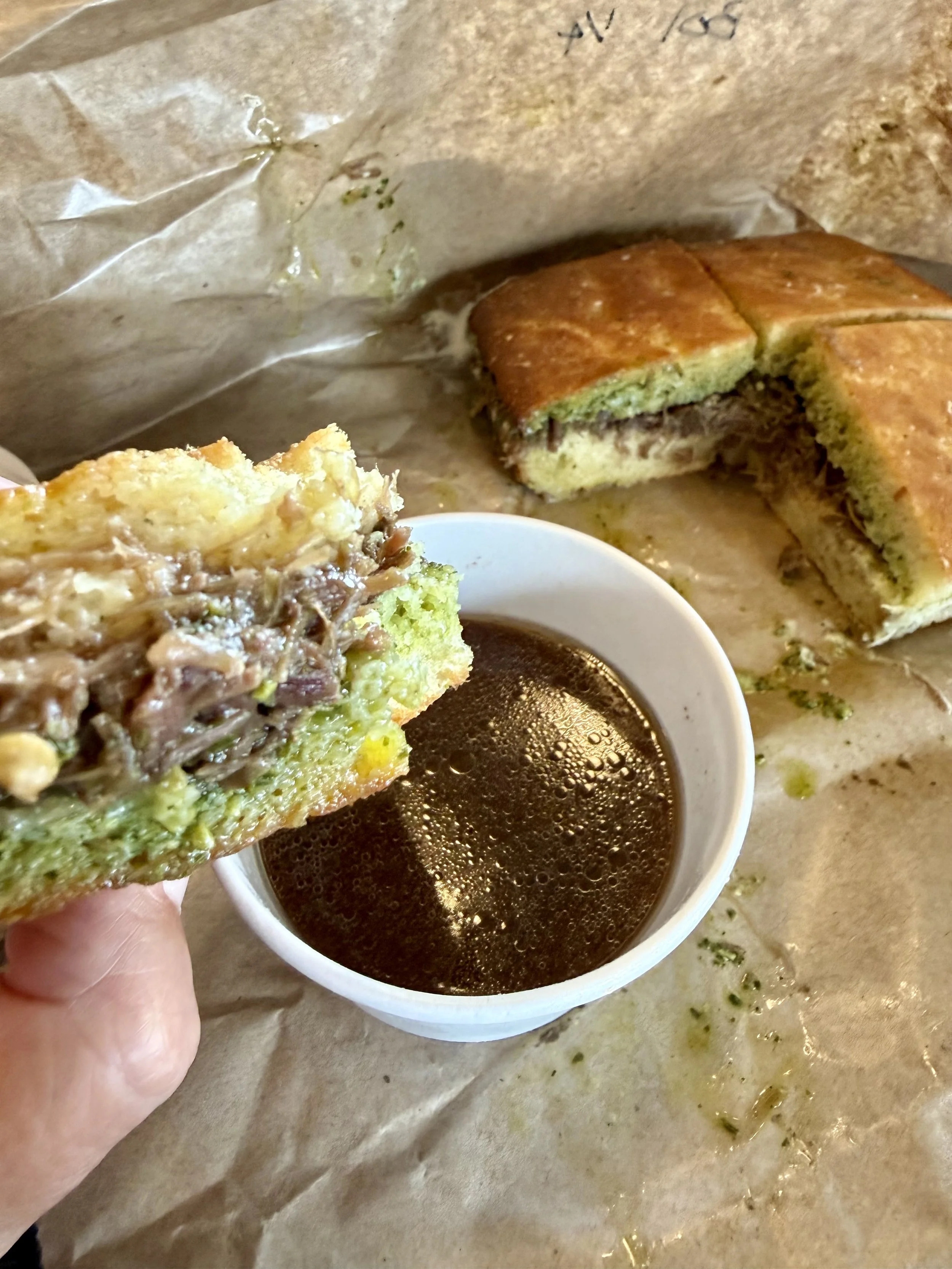
I knew I was there to order the porchetta sandwich. Crackling skin, aged provolone, and salsa verde on house-made focaccia — it’s the signature, the one everyone talks about. The easy move. Instead, I couldn’t look away from the Bollito: impossibly tender beef cheek, chili oil, salsa verde, and horseradish crema, served with a cup of rich dipping broth. Mahogany-colored and deeply unctuous, all bone marrow, red wine, and rosemary. The absolute essence of beef.
By the third bite I knew I had successfully swum against the tide. This was the one. It was a pot roast of the gods. And that broth — I still dream about it. Actually, I dream about living close enough to eat this sandwich every single day.
There is a beautiful, connective tissue in the way Charleston eats right now—a shared belief that humble ingredients, when treated with vision and will, deserve greatness. That afternoon, it was an Italian pot roast sandwich on President Street. That evening, it was Husk.
This one is personal. My obsession — and I use that word intentionally — with Sean Brock's story began with a Chef's Table episode I have probably watched a dozen times. Here was a chef with a Quixotic determination to rescue heritage Southern foods from obscurity: the beans, the hams, the greens, the forgotten heirloom grains. His conviction was that the food of poverty didn't have to make anyone feel poor. That humble ingredients, treated with vision and will, could become the reason people booked flights and reconsidered everything they thought they knew about Southern food.
That radical conviction became Husk, and for years, Husk has been a beacon.
Over time, I followed that light to Nashville and had dinner at Audrey — a bespoke, craftsman-style palace to Southern food named after Sean's maternal grandmother. Over several meals there, and in his Southern omakase upstairs called June (his grandmother's middle name), I found myself face to face with him, telling him what his story had meant to me as an eater and a writer. They say you should never meet your heroes. Sean Brock is the reason that phrase has an exception.
Going to Husk is like tapping into that original frequency. Going to Husk is feeling the Lowcountry. Going to Husk is respecting the South. Even now, with Sean no longer in the kitchen on Queen Street, it still connects me to the beautiful, stubborn idea of tilting at windmills… and winning.
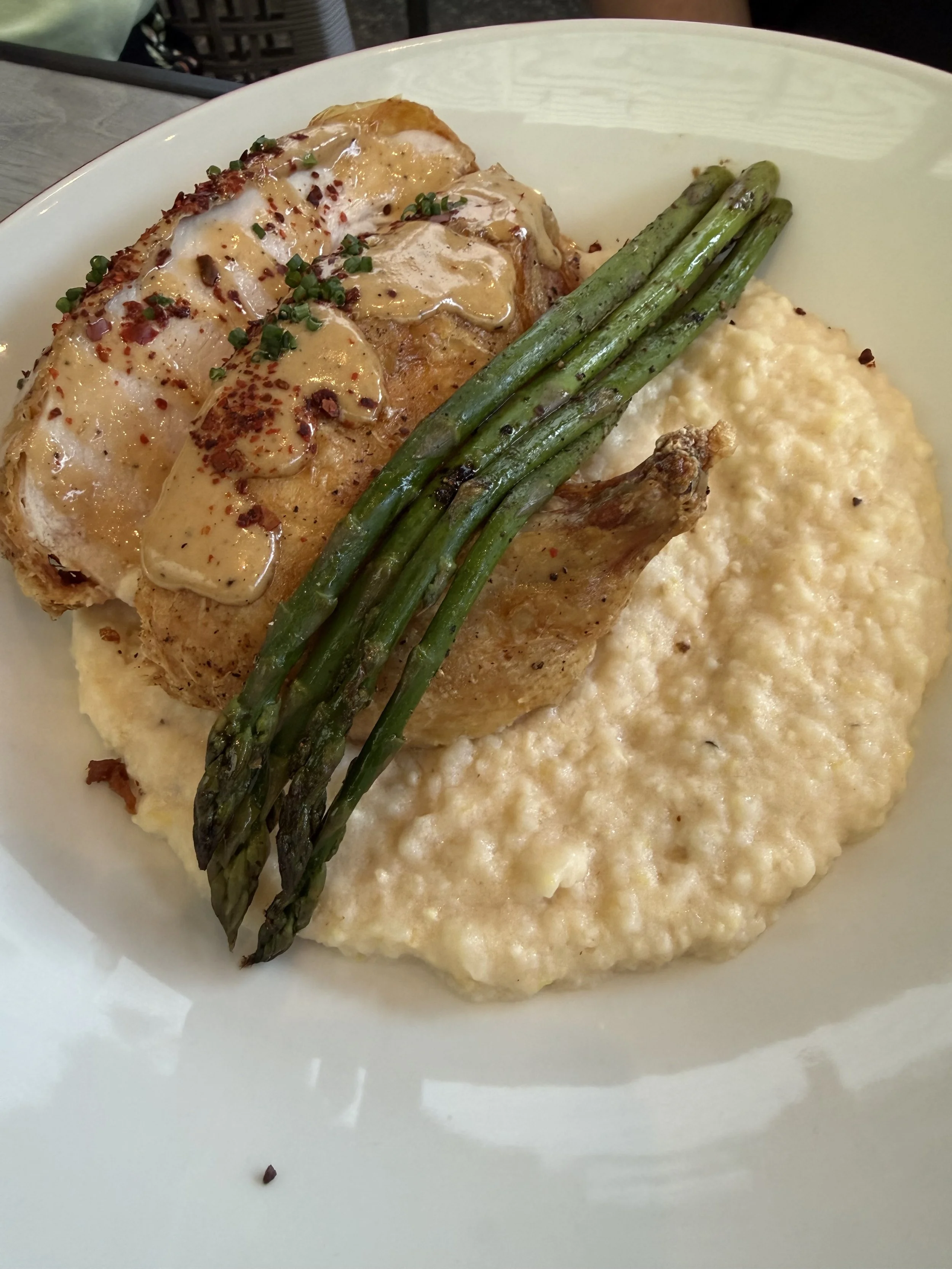
We made our way through plates large and small. The ham tasting arrived alongside warm, pillowy Parker House rolls, showcasing Colonel Newsom and Broadbent country hams—two of the great, historic Southern smokehouses. There was a sidecar of pimento cheese straight off the cover of Southern Living, fried pork ribs slick with Alabama white sauce, and Hot Chicken Toast paired with a peanut tartar sauce and house-cured pickles. We finished with a heavenly baked chicken resting on rich cheddar grits.
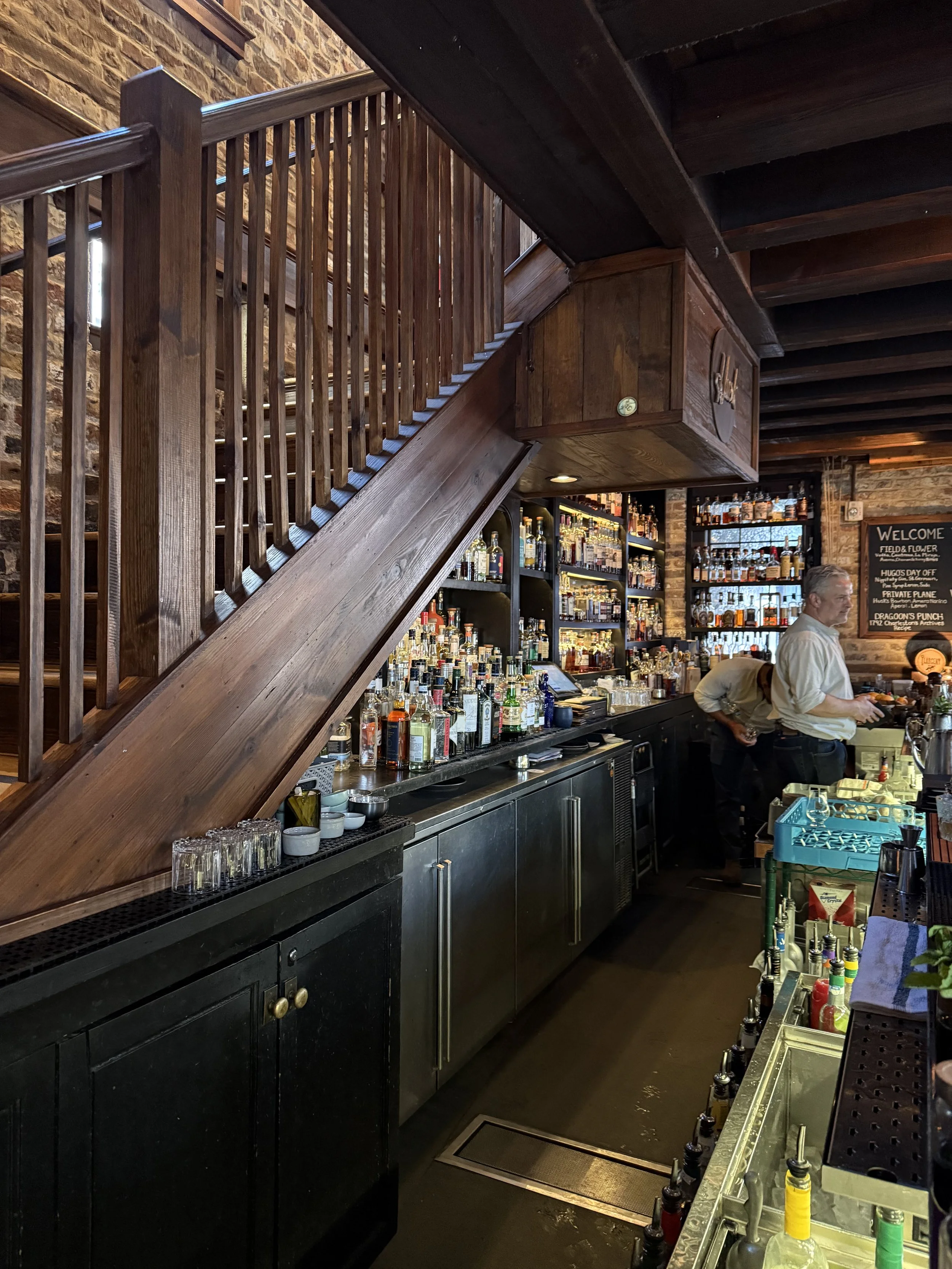
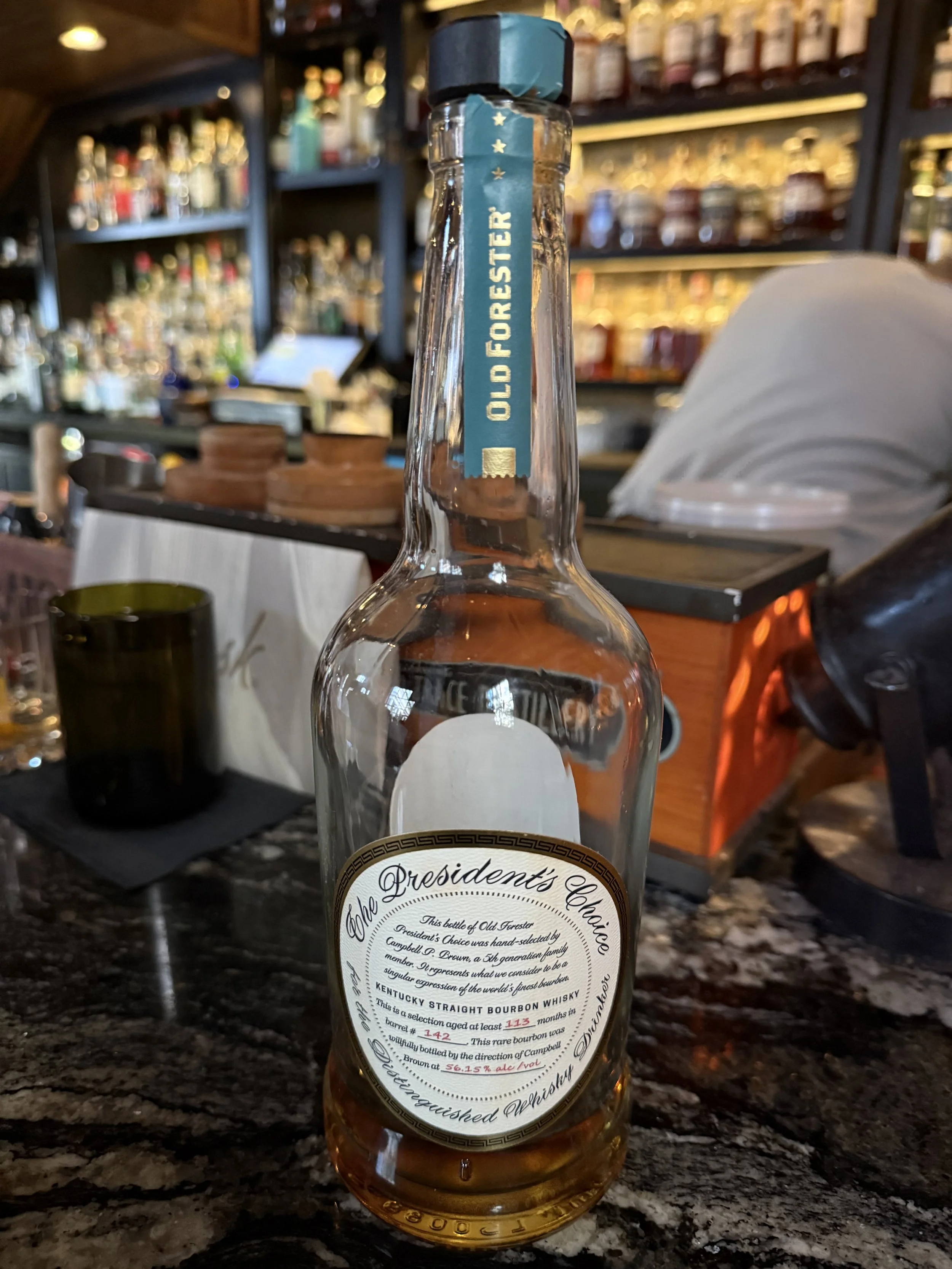
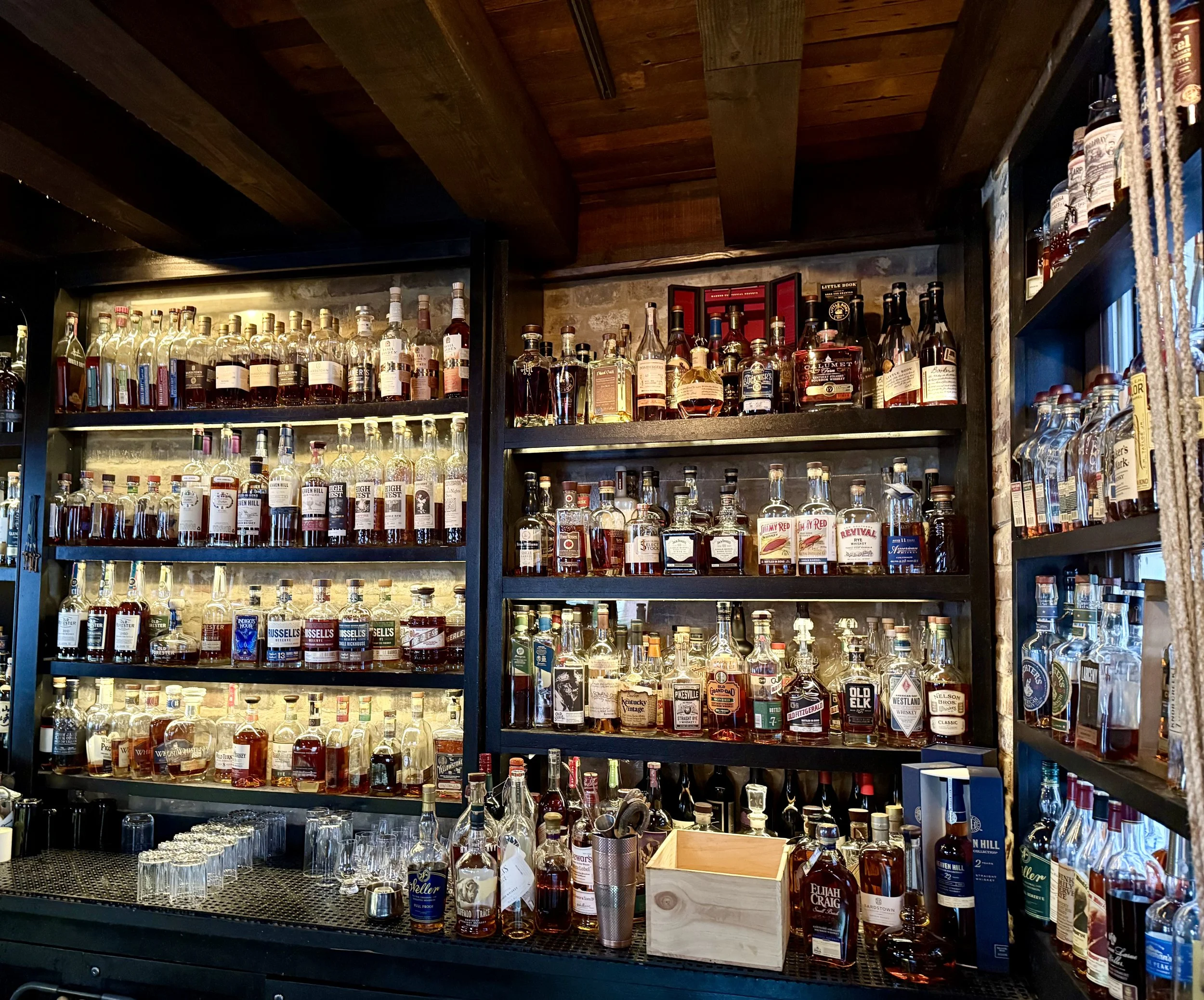
And then there's the bourbon bar. It’s housed in an enchanting, free-standing kitchen house that has stood on the property since the 1890s—the kind of structure that exists nowhere outside the historic South. It’s a room designed to make you stay. Pappy. Handy. Bib & Tucker. Weller. Blanton’s. We found expressions of Eagle Rare so uncommon that the details on the labels were written primarily by hand. There was more exceptional bourbon in that single room than I have encountered anywhere else on earth, and that alone would justify the visit.
We stayed longer than we planned.
The next afternoon we found Rodney Scott’s BBQ.
Rodney Scott won a James Beard Award standing over a metal tube with a face full of live oak smoke. Perspiring. Grinding. Doing it for love, for community, and for the belief that what you know to be true will eventually find the light. He was among the first pitmasters ever awarded Best Chef—recognition earned not in a white-tablecloth kitchen but at the pit, doing the grueling work. Sean Brock first introduced us to Rodney on Chef's Table, detailing the gospel of whole-hog cooking and how the pit is where communities are born. Everything shared. Everyone welcome. At his King Street outpost, they have just one thing to say about that philosophy: "It's all wood." They mean every word of it.
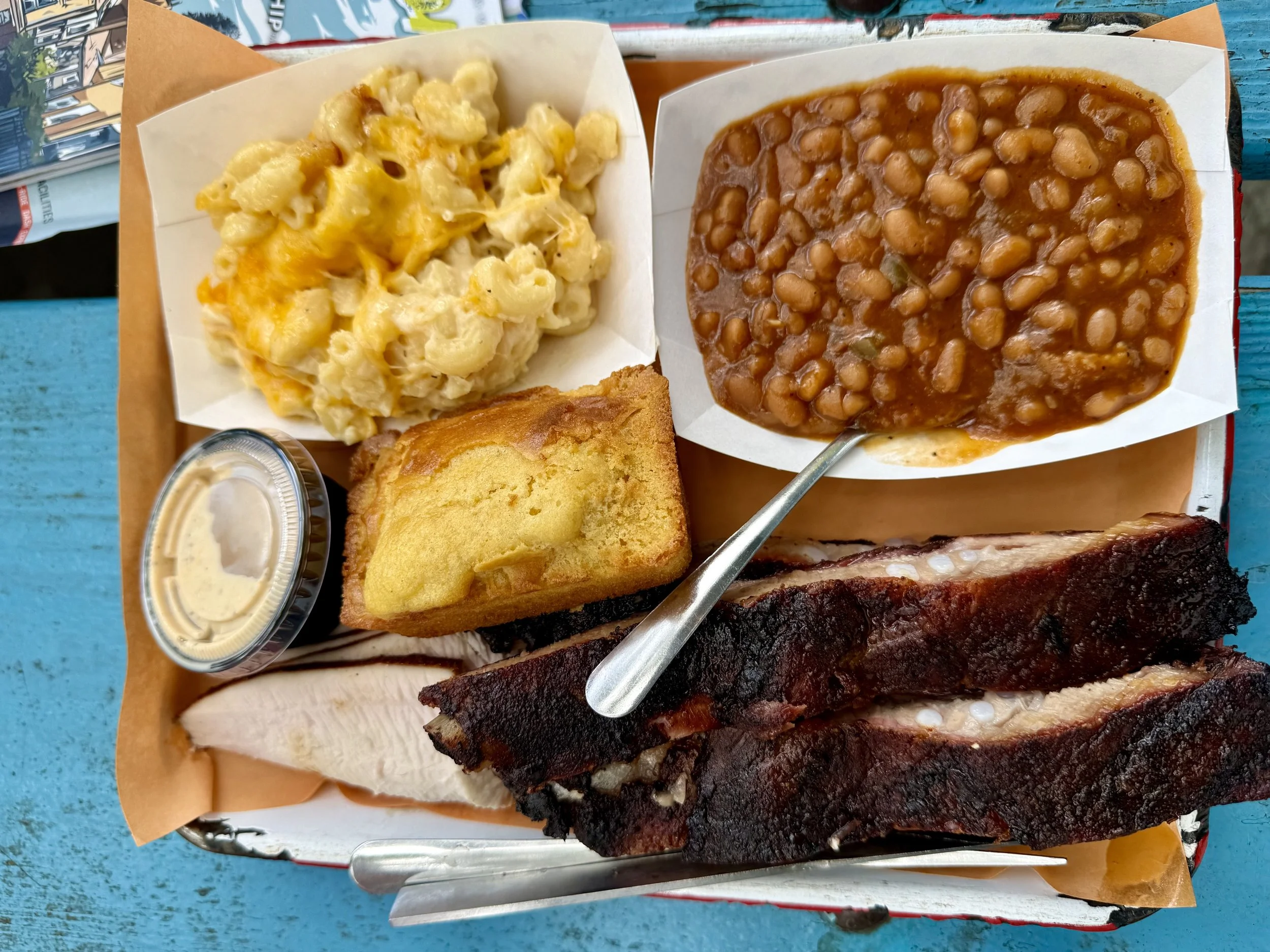
The restaurant itself is spotless and completely without pretense, but the food is magic. We ordered pulled pork topped with cracklins, slaw, and sauce on an open-face sandwich. A smoked turkey that puts Thanksgiving to shame. Mac and cheese. Golden cornbread. Baked beans that were beautiful, unctuous, and sweet.
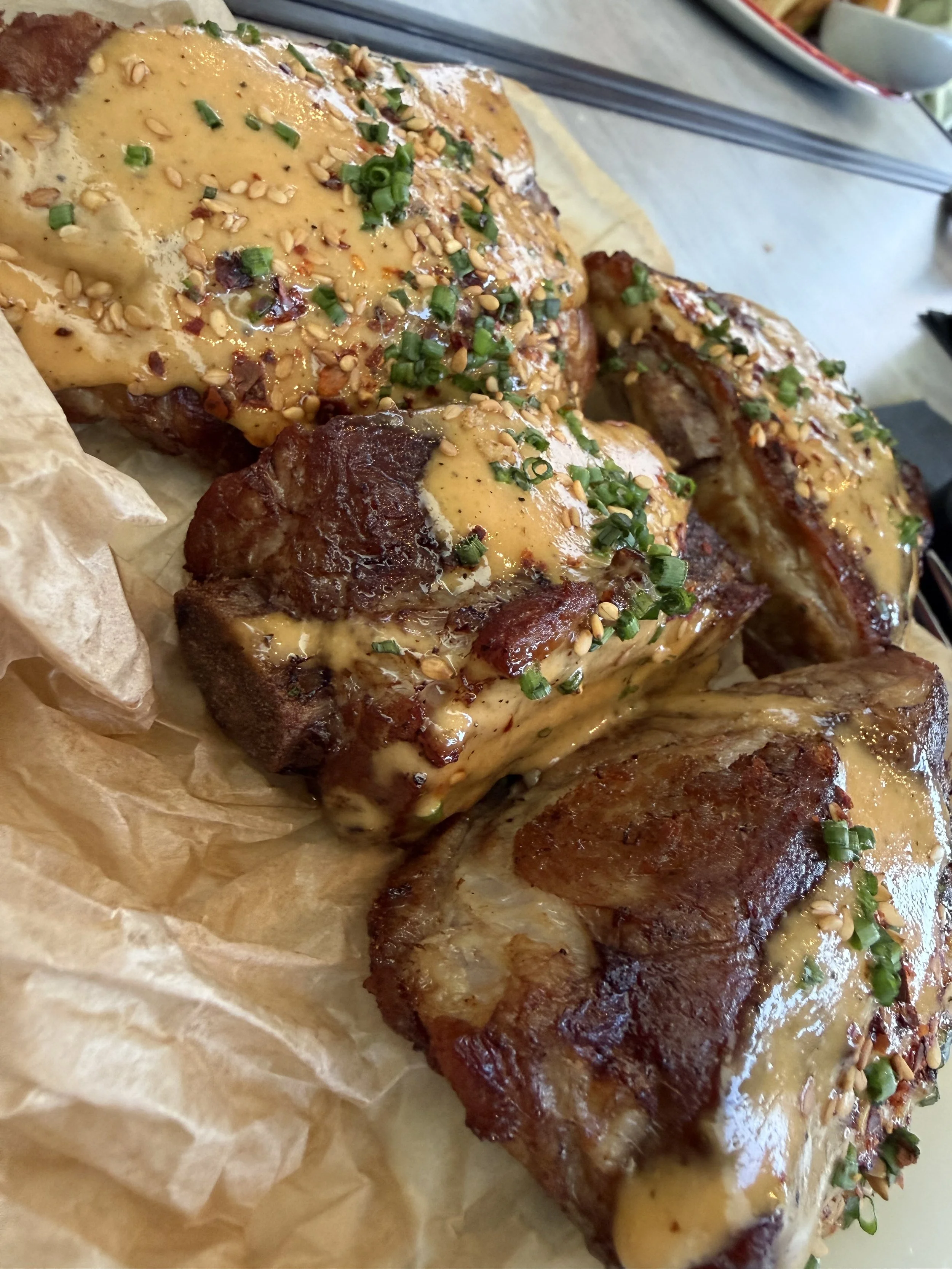
And then there were the ribs. It starts with the mop—a classic vinegar-pepper base applied low and slow throughout the cook, building layer after layer of deep flavor into the bark. They are cooked long enough to yield easily from the bone, but still retain enough bite to remind you that this is real barbecue, not a performance of it. Finished with Carolina Gold—South Carolina's tangy, mustard-based sauce, bright with apple cider vinegar and just enough sweetness to balance the heavy oak smoke. It’s the kind of meal that makes you understand why regional food culture is worth protecting.
It was a solid, smoky lunch that lingered on our clothes and something we talked about all afternoon.
But as evening came, the casual charm of the day dissolved into high-stakes anticipation. It was time for FIG.
FIG is the hardest reservation in Charleston. In fact, FIG may be the hardest reservation in all of the South. Bookings open at noon exactly, 28 days in advance. I was at my screen at 11:50 Eastern, refreshing incessantly, until a table was mine.
When we arrived, the reception area was surprisingly cramped. Another couple waited practically shoulder to shoulder with us at the host stand, the room buzzing with elite reservation anxiety. And then the host smiled: "Of course, Mr. Rodriguez, right this way."
It was worth every single refresh.
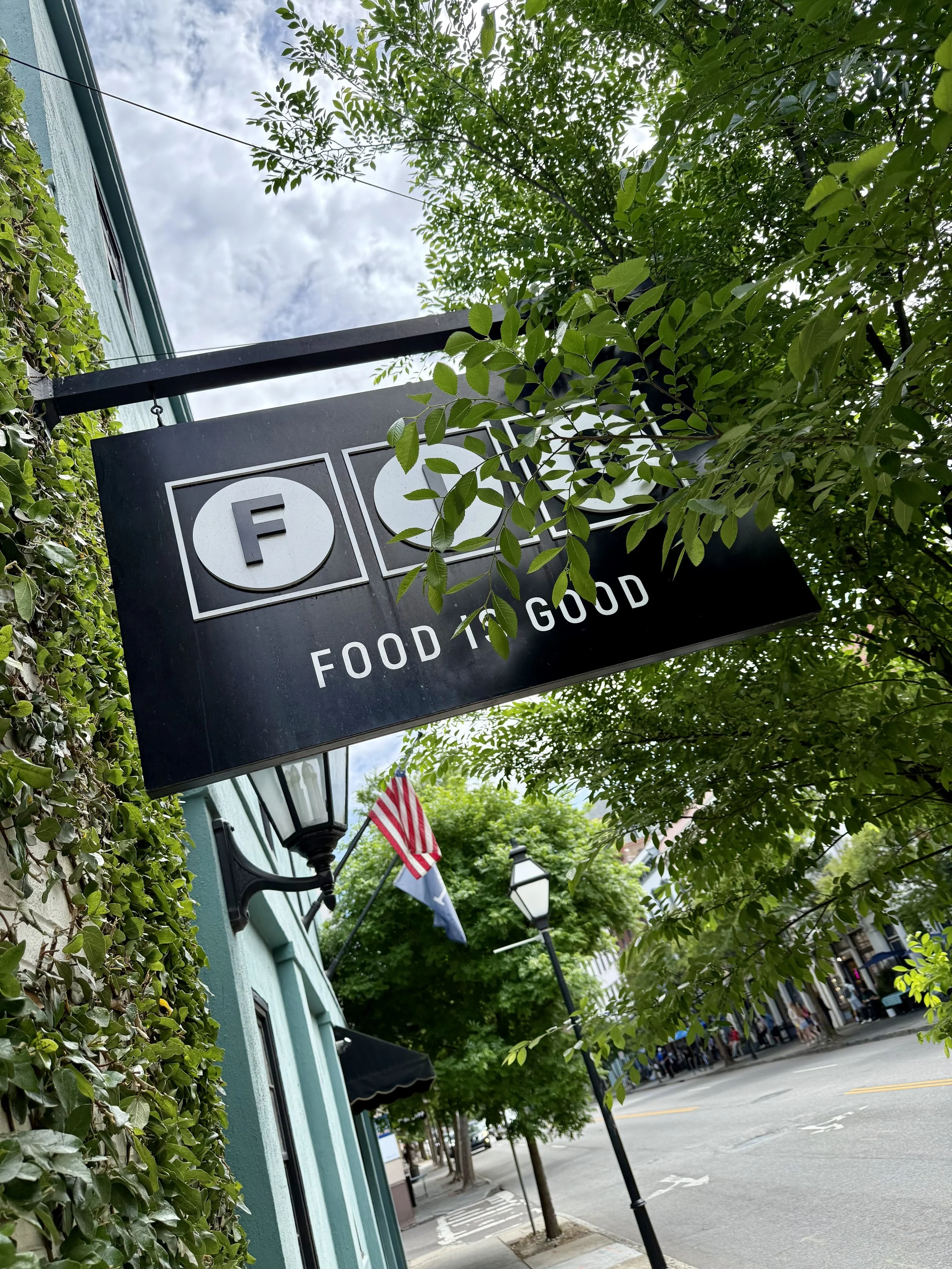
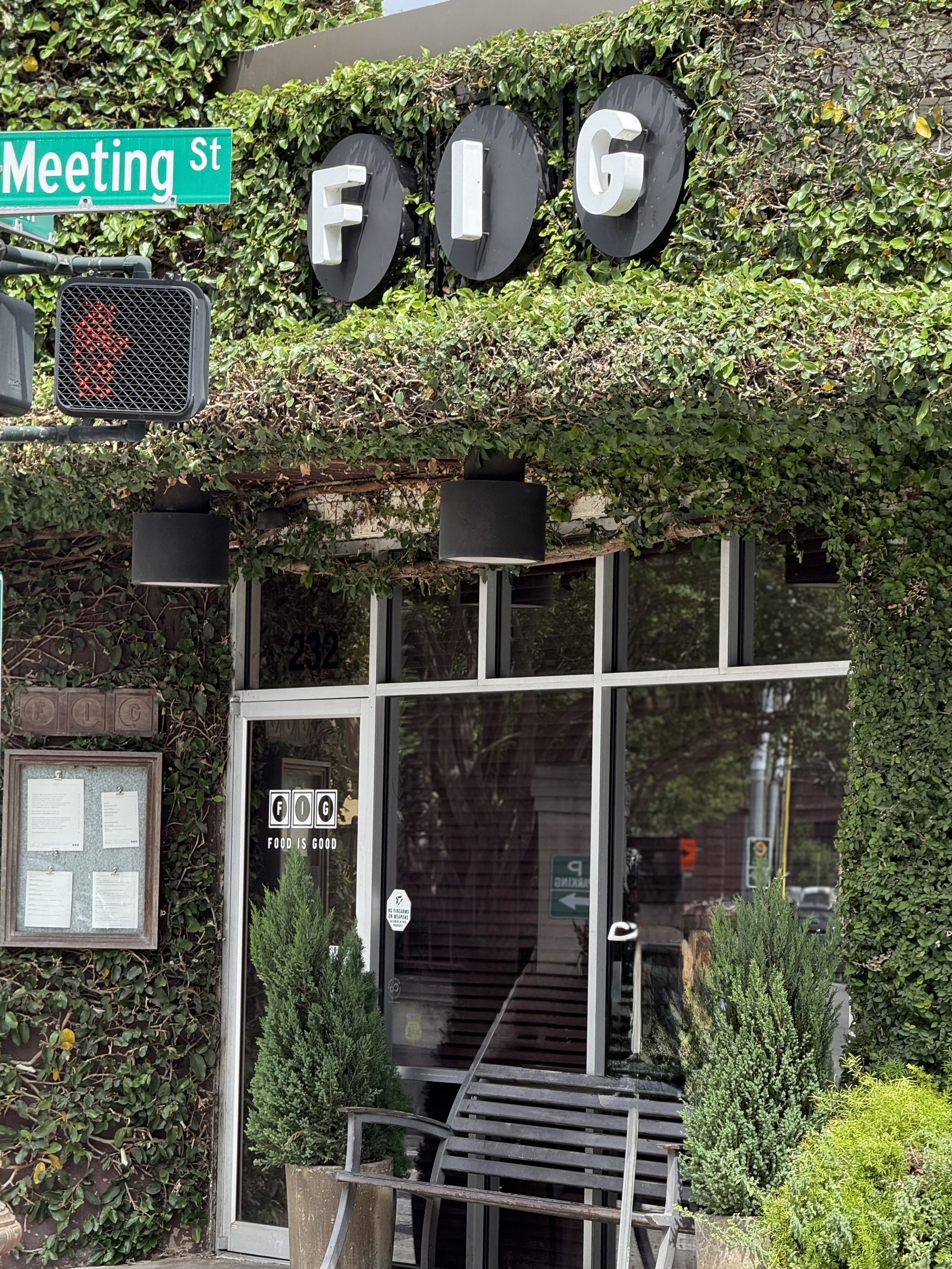
Food Is Good. That is the simple declaration behind the acronym—a name that carries the immense weight of three James Beard Awards and more than two decades of quietly defining what Southern fine dining can be. Chef Mike Lata sources seasonally, changes the menu nightly, and pays homage to the Lowcountry without ever leaning on it as a crutch. The dining room has a genteel, understated Southern quality, and the service is warm, intentional, and anticipatory—friendly in a way that makes you feel like you've been coming for years. FIG doesn't try hard to be anything...
Because it already is.
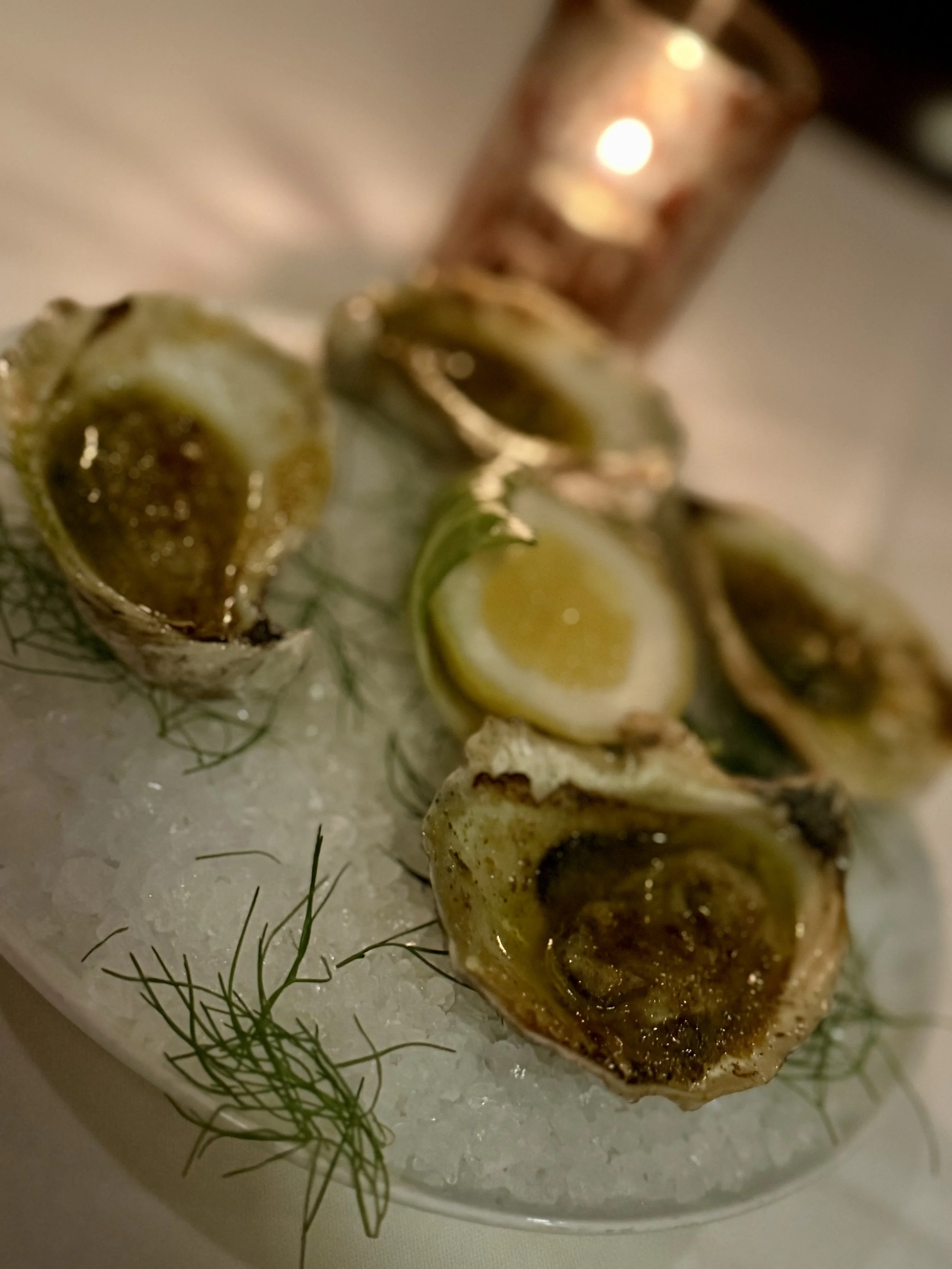
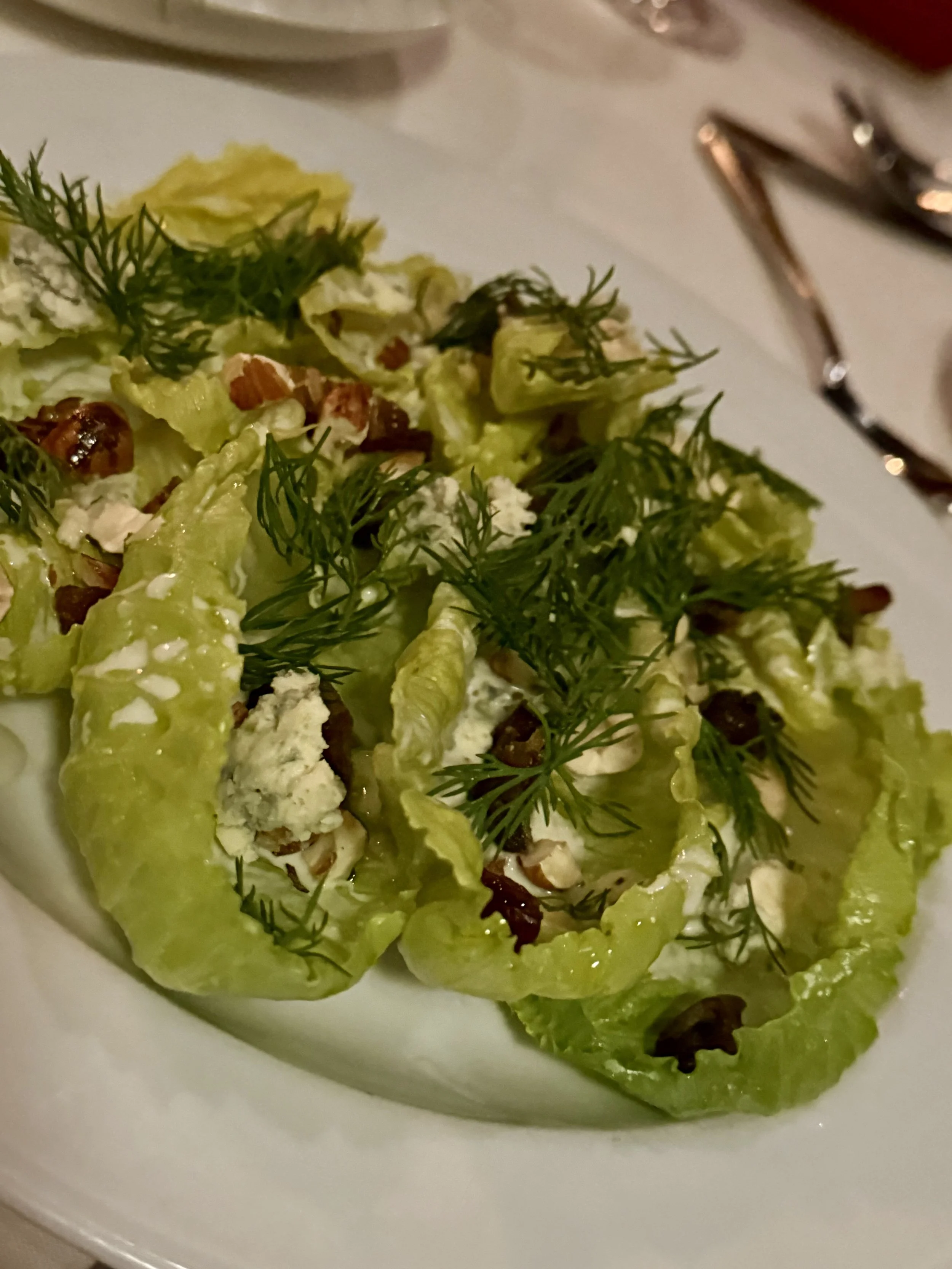
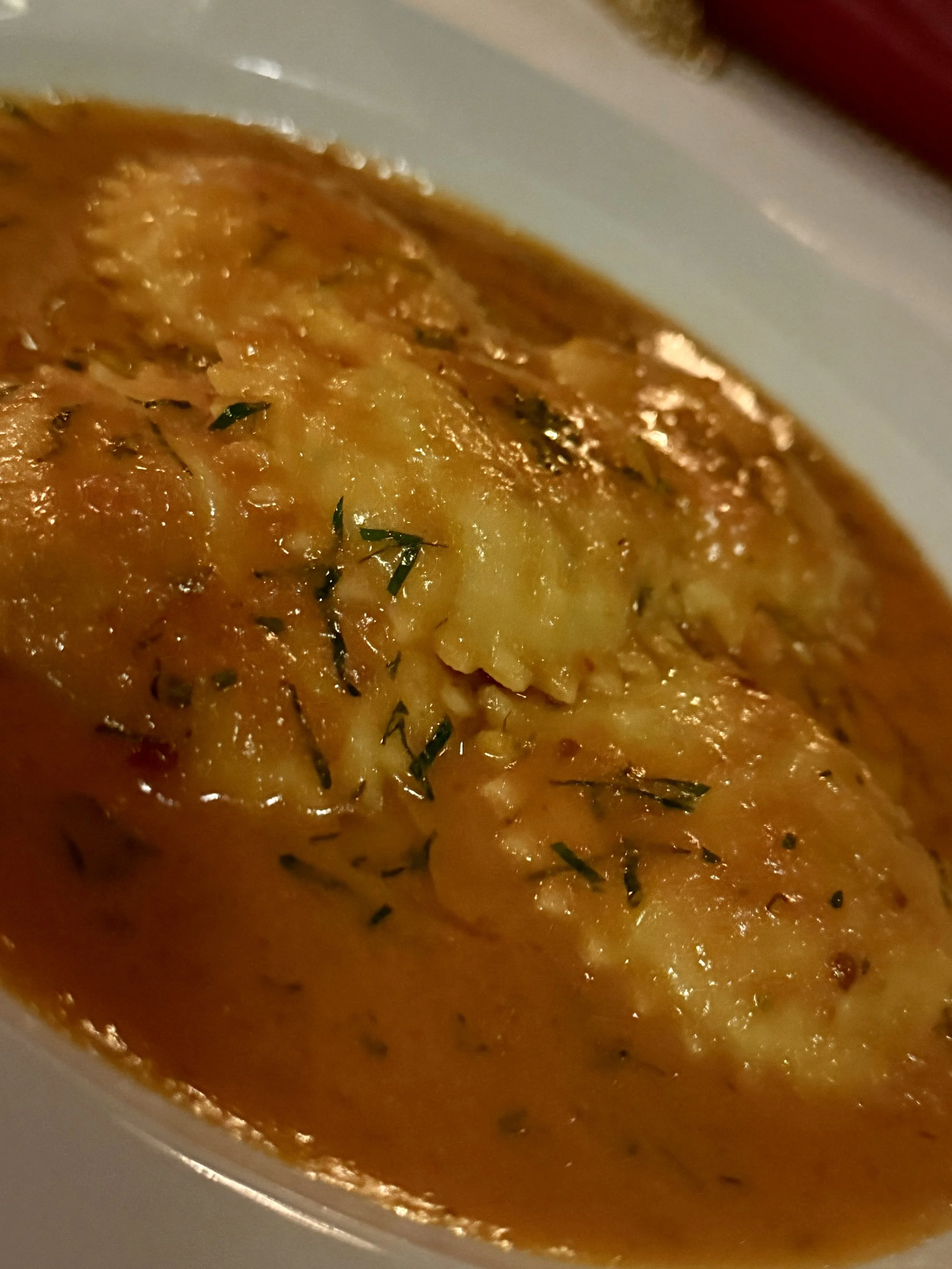
The menu was smaller than I expected and better than I hoped. Broiled oysters with Vadouvan butter and ramps. Chilled asparagus with whole grain mustard vinaigrette. A romaine salad with dates, hazelnut, and smoky blue cheese. Blue crab ravioli with bottarga and chili. A yellow edge grouper with broken rice and sunchokes draped in caper brown butter — a perfect sear, the flesh silky and flaky. They could have served it plain on a paper plate. That fish didn't need anything at all.
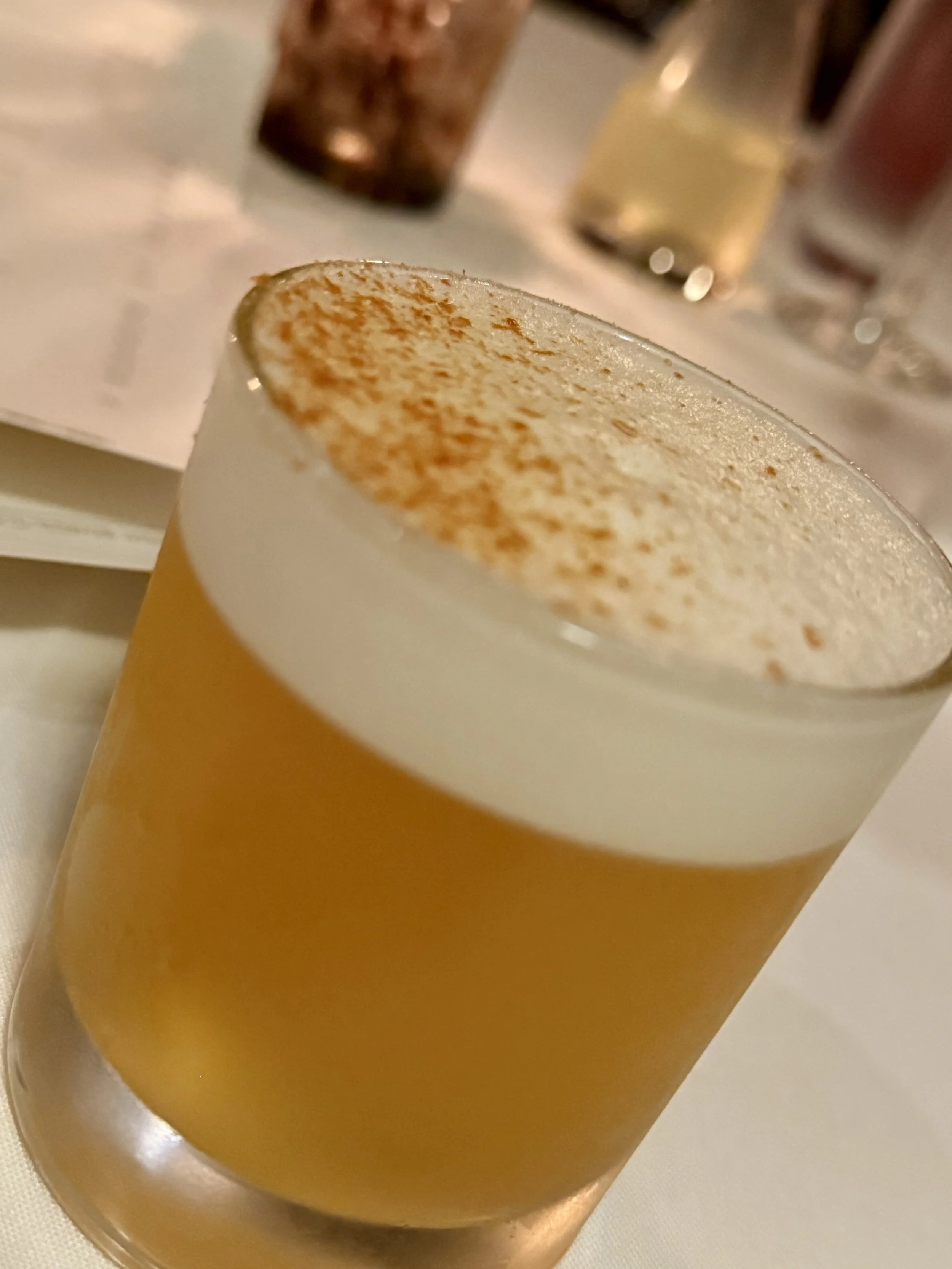
Beautiful wine, craft cocktails and that kind of soft light that only happens when you've settled into something close to perfect. An evening in the South.
Walking out, I noticed three shadow boxes tucked quietly into a corner of the lounge near the entrance—unassuming and proud, The way FIG does everything. Each one held a crisp declaration and a bronze medal. James Beard medals. I tapped Mary on the shoulder and nodded toward the wall. We counted them together.
One…
Two…
Three.
That tells you everything you need to know about FIG.
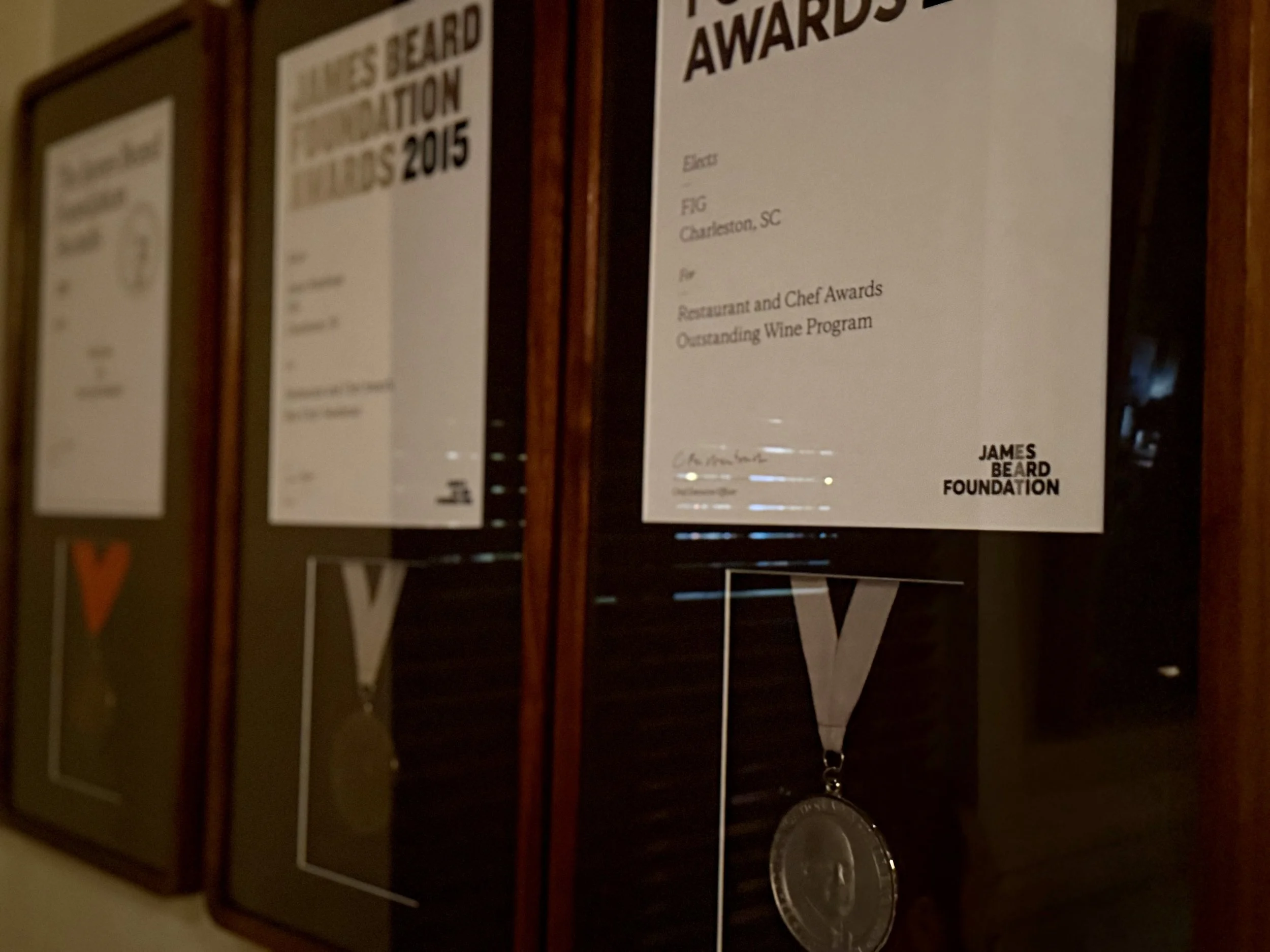
Charleston is called the Holy City, and after two and a half days eating my way across it, I understand the reverence. This is a city that fiercely protects what matters—by law, by instinct, by the sheer, accumulated will of a community that believes certain things are worth doing right. You taste it in the deeply unctuous broth at Da Toscano and the live oak smoke at Rodney Scott's. You feel it in the quiet legacy running through the rooms at Husk. You find it hanging in three proud shadow boxes on the wall at FIG.
And you taste it on a casual patio at Chubby Fish, where the chef behind one of the hottest tables in America steps out of the kitchen just to ask a stranger how he cooks cauliflower at home.
The table is always moving. Charleston reminded me why.