Smyth 🇺🇸
177 N. Ada St., Chicago, IL · ⭐️⭐️⭐️ Michelin Stars · Best Restaurant in North America 2026 — The World’'s 50 Best Restaurants · smythchicago.com
Intention.
in·ten·tion / inˈten(t)SH(ə)n / a thing intended; an aim or a plan.
It's a wonderful word, and especially so when one experiences it firsthand. My many evenings at Smyth can be summed up in a number of ways. Evocative. Elegant. Exceptional. Creative beyond expectation. But above all, they have been evenings filled with intention — and that, more than the stars, more than the rankings, more than any accolade the culinary world can bestow, is what makes Smyth so profoundly special.
I'd begun to wonder if Smyth and I were starcrossed. Trip cancellations, flight delays, a hellacious Chicago snowstorm — the universe, it seemed, had other plans. But if nothing else, I am persistent, and when a last-minute business trip to Chicago appeared on my schedule, my very first call was to Chris Gerber — Alinea, The Aviary, Bavette's, and the consummate front-of-house voice of Smyth — who assured me, with the warmth that would come to define every visit that followed, that they could make room for me.
After the snowstorm and the cancellations and the sheer stubbornness it took to get here, I put down the phone and smiled. I was in.
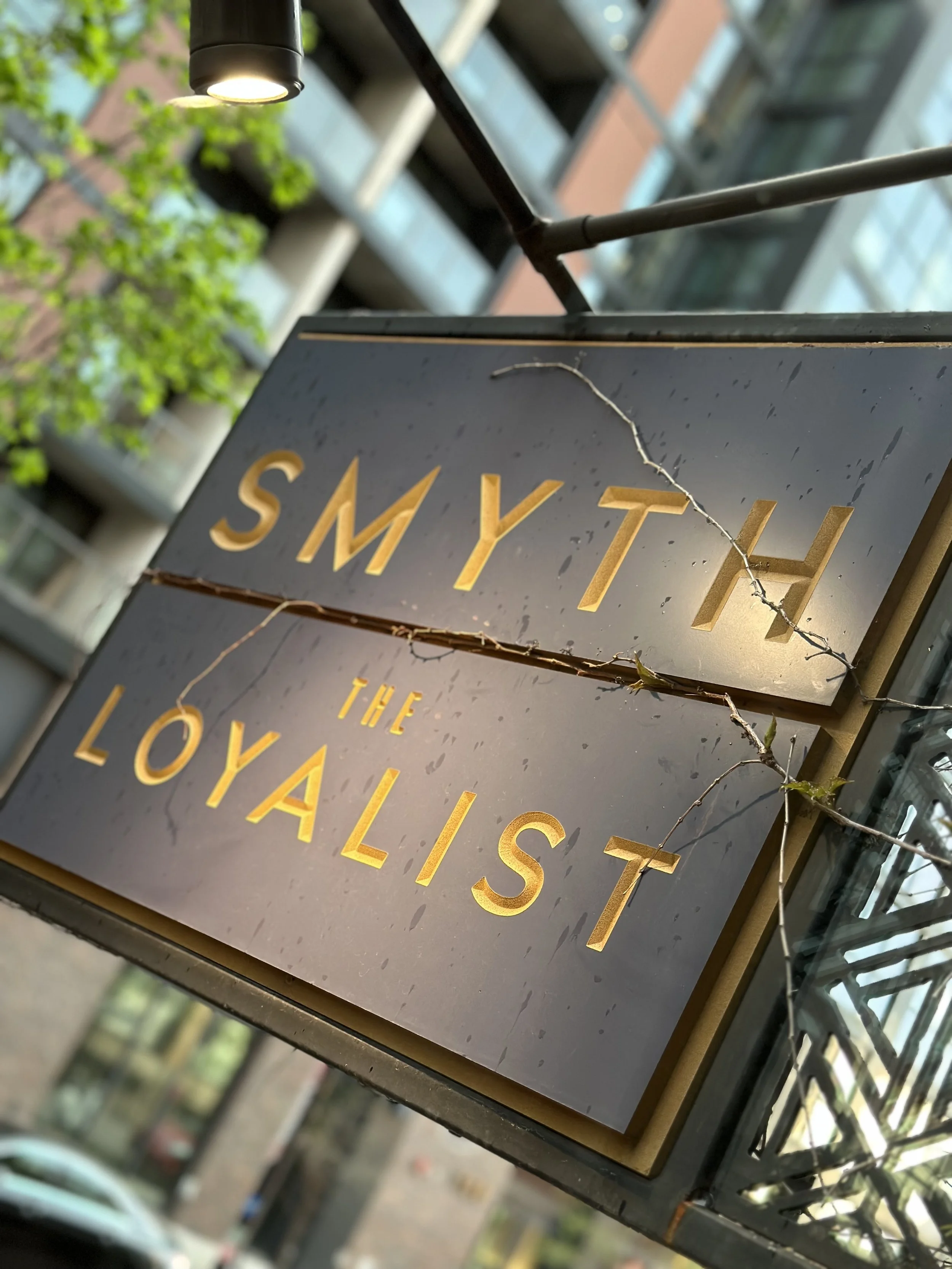
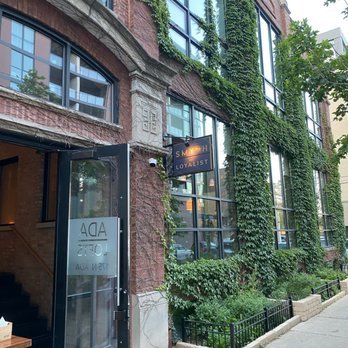
Smyth occupies a square, sturdy building in the West Loop, announced by lush herb boxes out front that tell you immediately what kind of kitchen lies within. A short staircase greets you at the entrance, and it is worth noting the choice. Go up, and you enter Smyth — one of the great American restaurants. Go down, and you enter The Loyalist, home of the Dirty Burg, one of the great American cheeseburgers. Both directions lead somewhere wonderful and both directions feature prominently in this story. But on this visit my destiny was up and into the calm space just beyond the heavy, almost imposing wooden door. I entered a room with tall ceilings, expansive bay windows, exposed brick and heavy beams — serious, Midwestern, intentional.
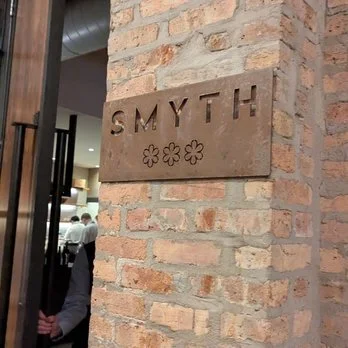
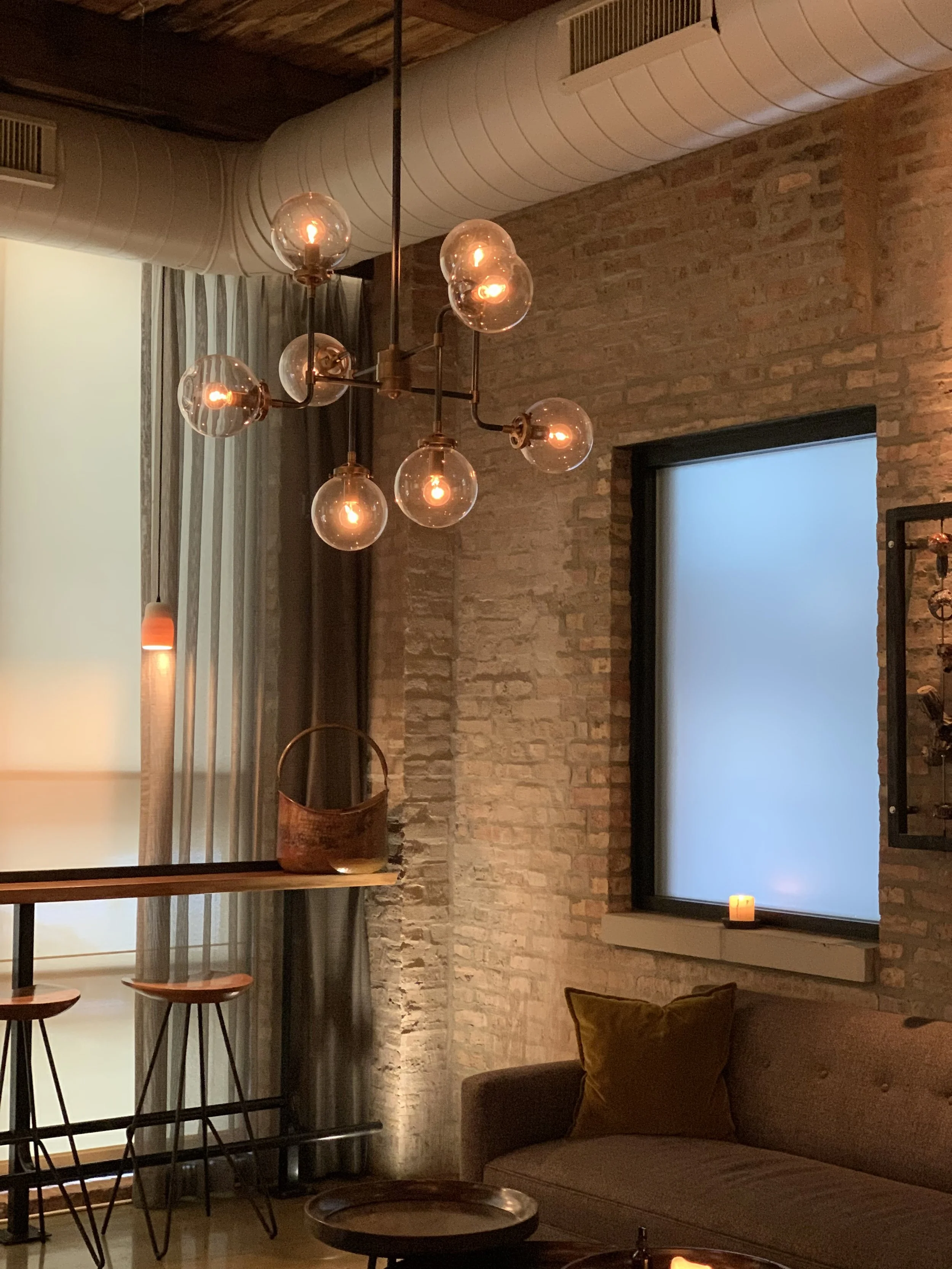
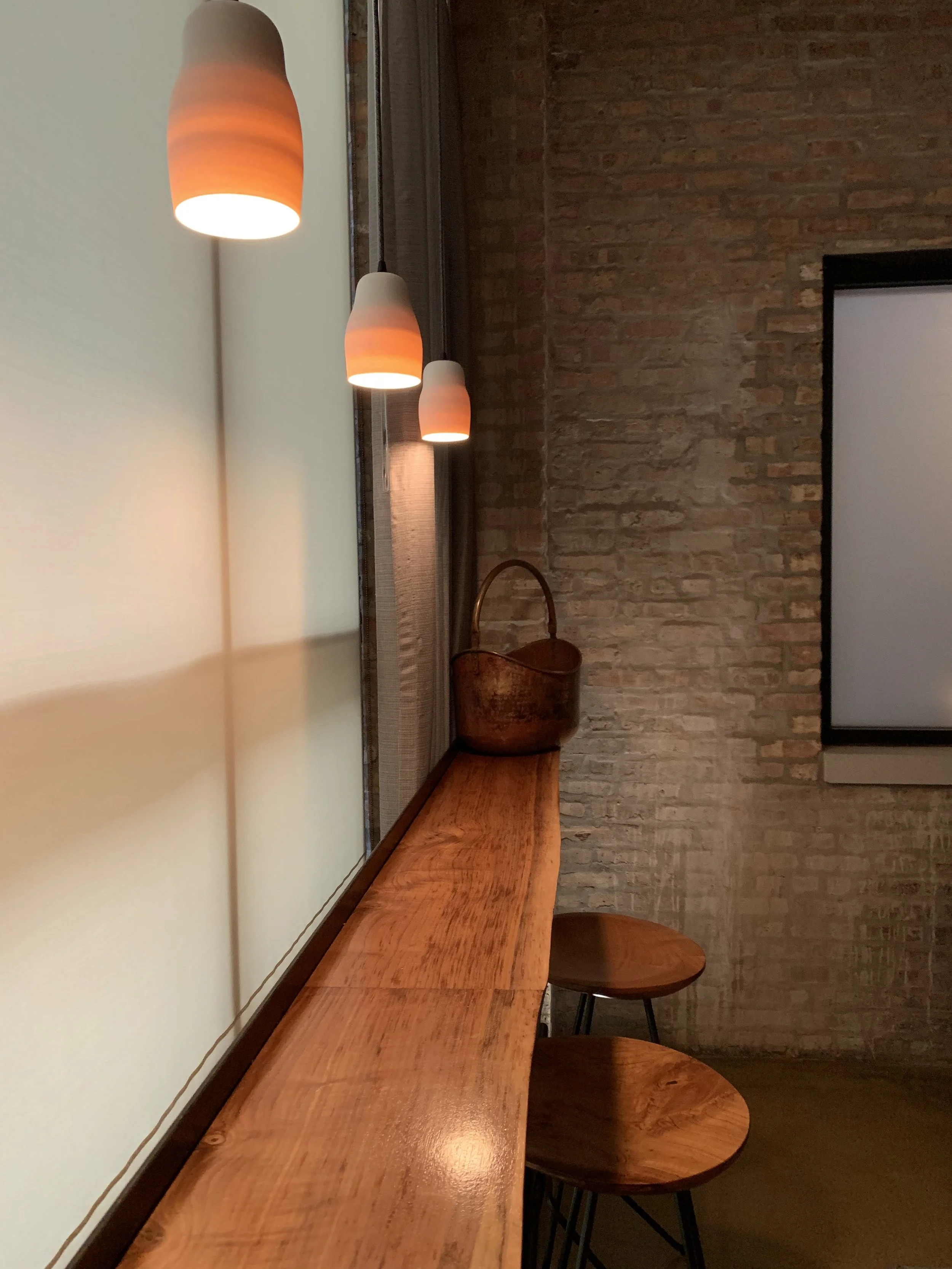
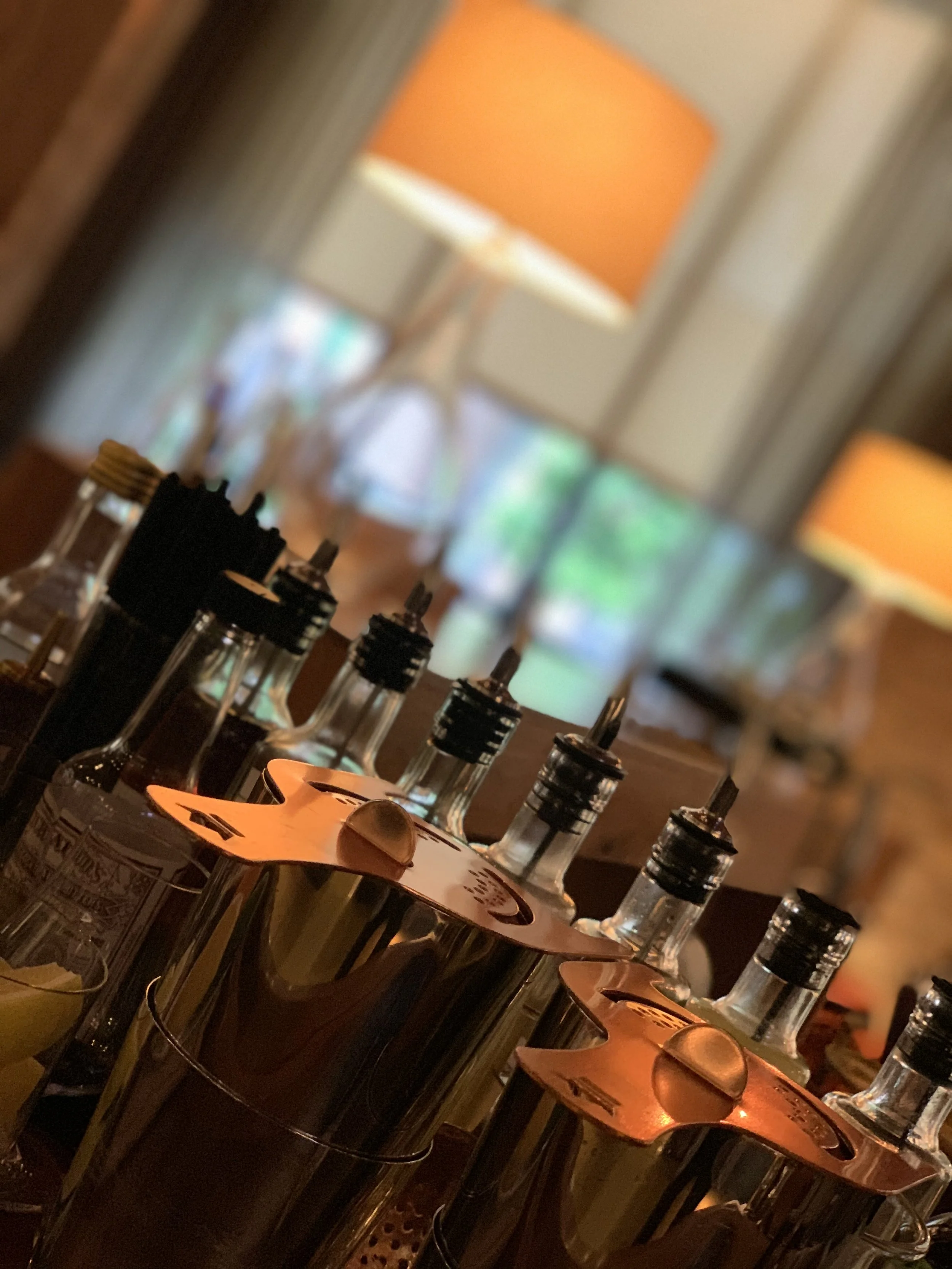
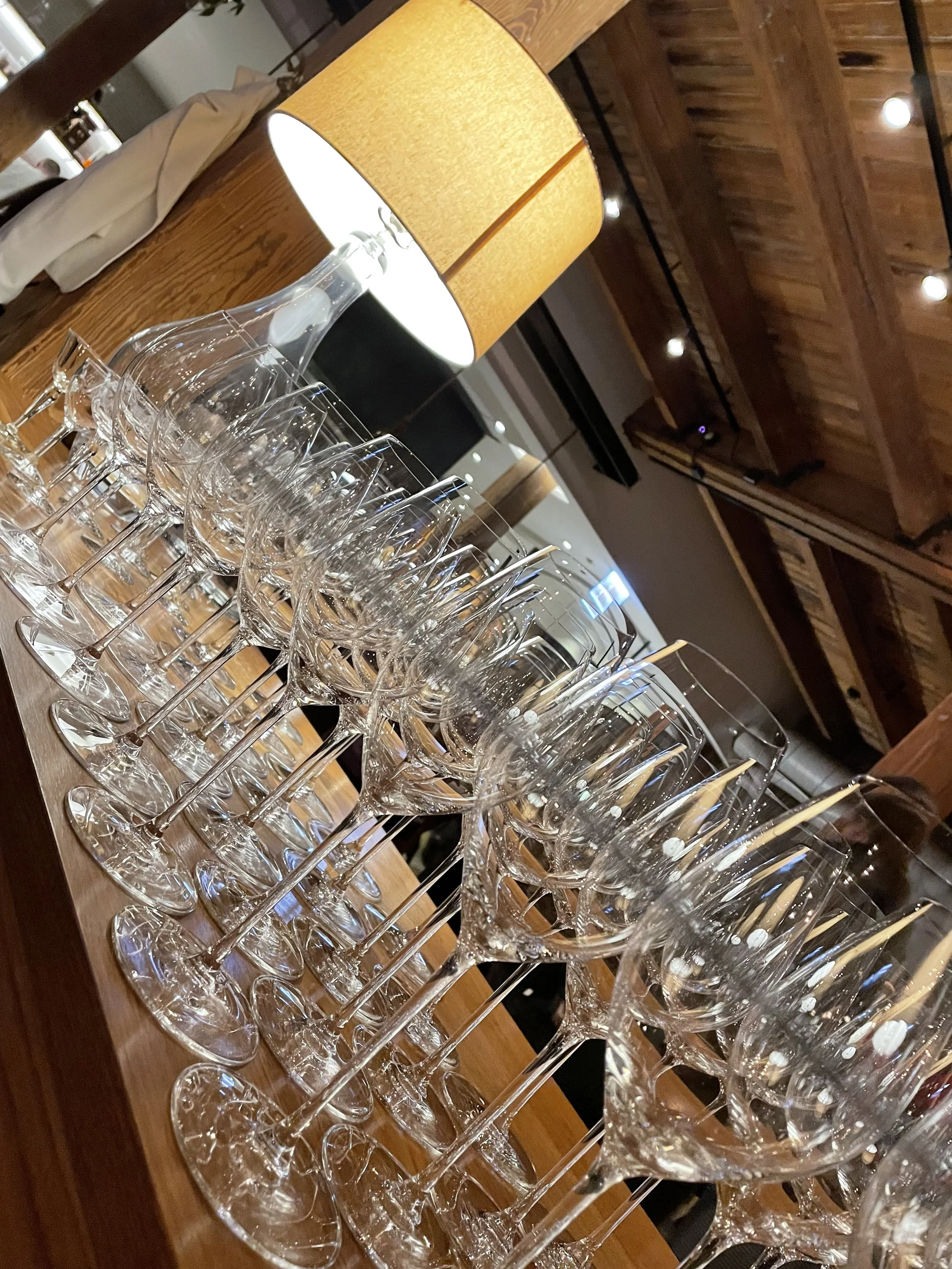
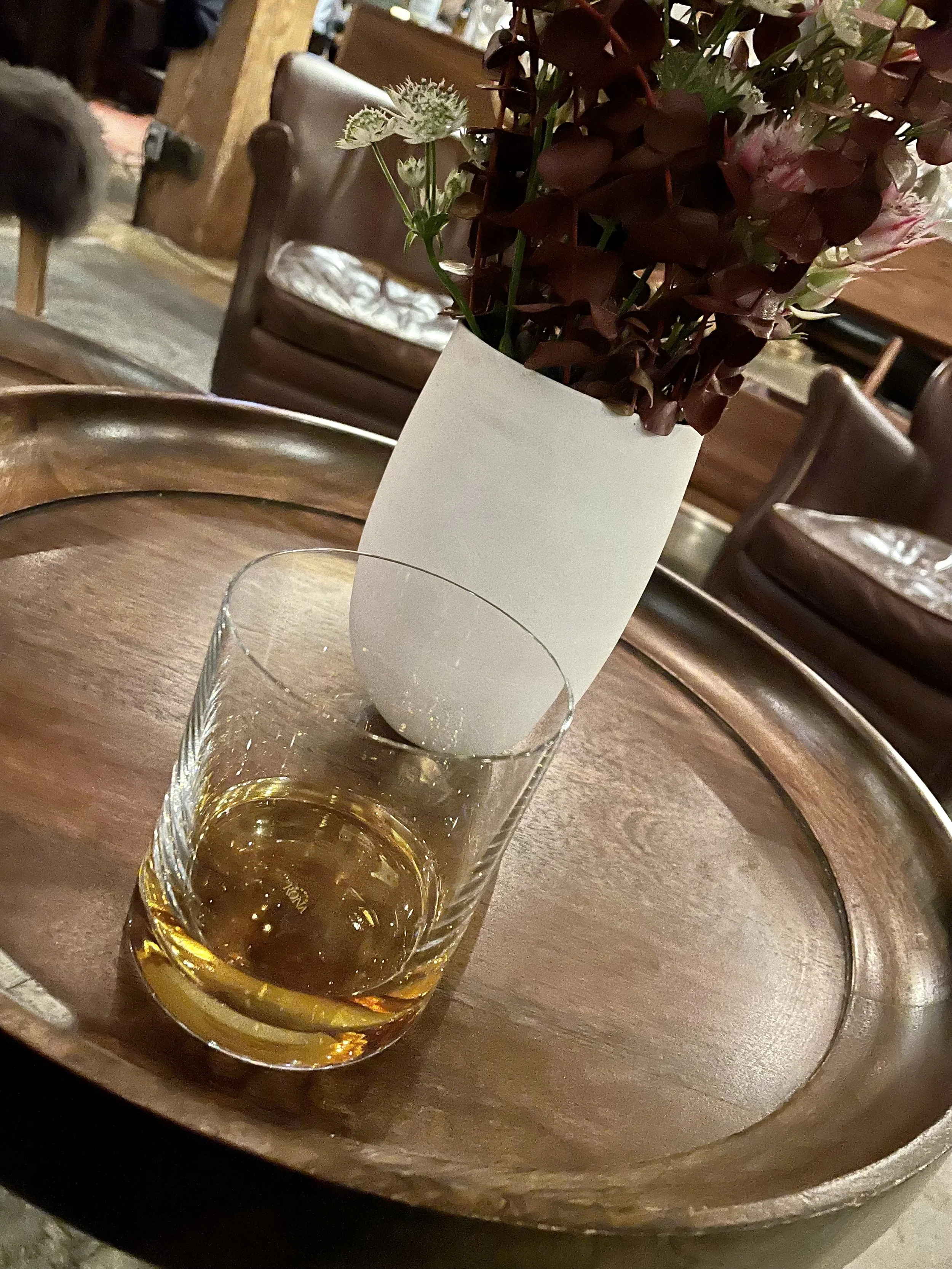
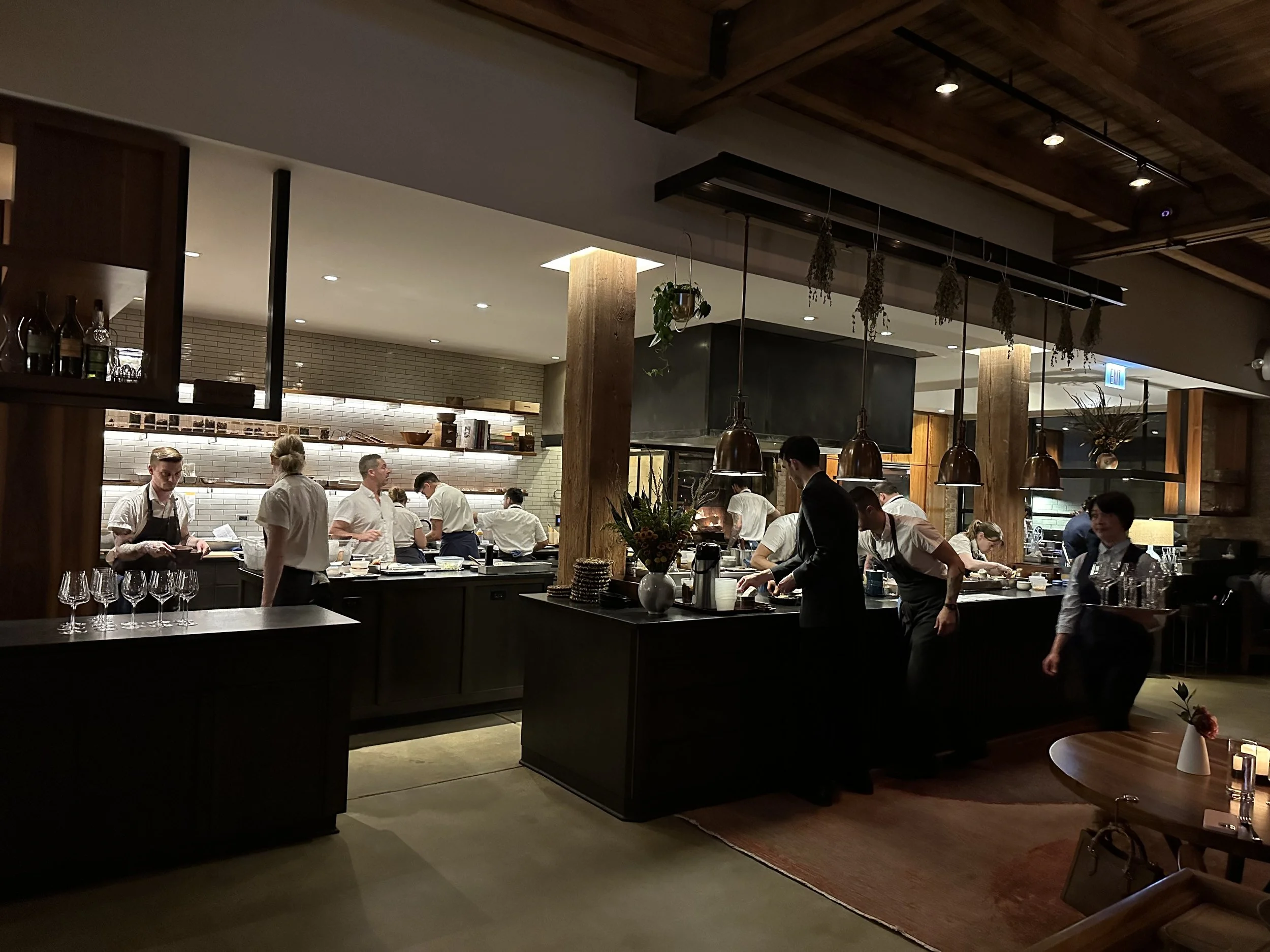
At sunset on that first visit (the 5pm first-timer seating 😜), the perfectly golden light streamed in as if someone had staged it. The small entry area, or "living room" as it was described, is simply but purposefully appointed: two small couches, a sitting area, four stools at a cocktail counter facing the street, a turntable spinning beautifully curated vintage tracks — Steely Dan, Fleetwood Mac, Depeche Mode — music from the era that shaped Chef Shields, and the perfect accompaniment to everything that follows. And then there is the aperitif trolley, which tells you everything you need to know before a single plate arrives. Krug Champagne. Lillet Blanc. St. Germain. Beside it, acres of Zalto glasses — and I am only barely exaggerating here — all perfectly polished and sparkling. Elemental and restrained as it is, this room turns out to be the perfect prologue — all that quiet before the color.
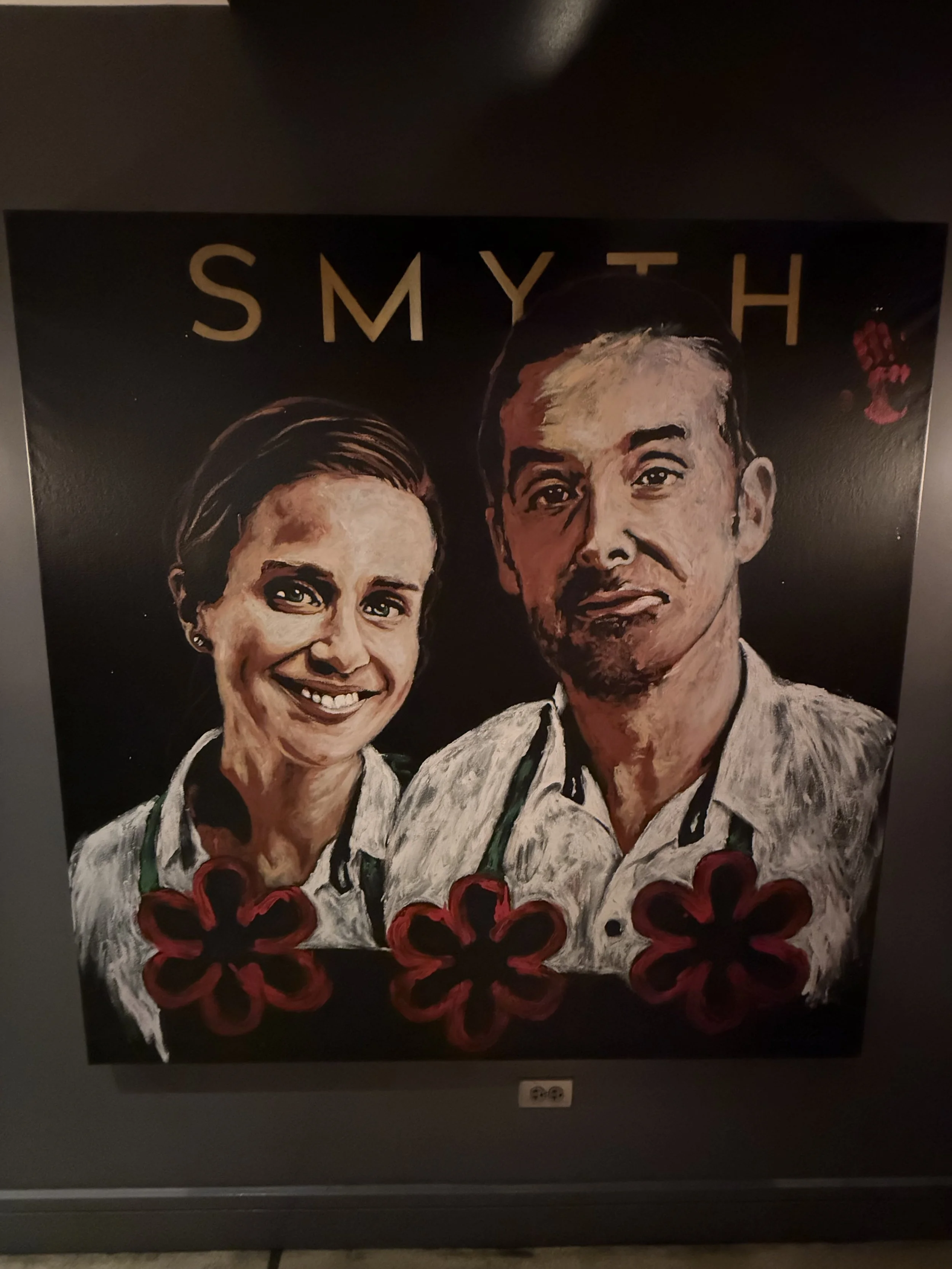
Chefs John and Karen Urie Shields came up at Charlie Trotter's — John as sous chef, Karen as head pastry chef — before John went on to serve as opening sous chef at Alinea, placing him at the founding moment of two of the most consequential restaurants in American culinary history. They eventually landed in Chilhowie, Virginia — fewer than two thousand people — took over an old steak and seafood joint and reinvented it completely. Their Riverstead Dinners, an intimate series at the nearby inn, drew national food writers to a town most people couldn't find on a map.
The menu at Smyth is not a document so much as a living thing. The garums. The dried and preserved elements. The fermented notes, welcome and ever-present. Each return offers enough distinction, enough surprise, enough wonder to make coming back not just worthwhile but anticipatory. None of this ambition announces itself. What begins as a hunger to be great matures over time into the quiet art of excellence.
From that first meal, I believed Smyth had what it took to reach the very top of the culinary world. It was already on the Michelin list when I first dined there in 2018 — the bones were never in question — but for a time, two stars was the ceiling, and how it broke through that ceiling is part of this story. Over my many visits, Gerber and I became friends — real ones, the kind forged over Dirty Burgs and scotch and long conversations about food, wine, and the nature of great dining. My own feeling, for whatever it was worth, was that the kitchen was never the problem. What I had observed, as a guest and nothing more, was that the full theatrical architecture of three-star dining — the staging, the sense of occasion, the feeling from the moment you walk through that heavy wooden door that something extraordinary is about to happen — was still finding its form. That, visit by visit, is exactly what Smyth became.
Editor's note: Chris Gerber has since moved on to Esmé, a two-Michelin-starred restaurant in Chicago, where his instincts and hospitality remain as sharp as ever. His recommendations, it should be noted, have never once been wrong. Simply put? They SLAP.
The progression across visits was remarkable. A lobster soup served in seaweed and presented tableside — the purest elixir of lobster imaginable, clean yet rich, unctuous and utterly compelling. Not heavy and creamy like so many bisques. It is a dish I think back to often, particularly the memory of drinking it through the seaweed rim.
The smoked quail egg with caviar has appeared on nearly every menu I have experienced at Smyth — a signature, and a welcome through line across my visits. In some ways it recalls the Oysters and Pearls at TFL, that same marriage of brine and luxury. A foie gras beignet topped with what I can only describe as dreadlocks of truffle. And then there was the mussel caramel — yes, you read that correctly, and yes, your reaction is exactly the one I had when it arrived. A caramel painted on the inside of a mussel shell, lifted and filled with cream, served as a dessert course. Some strange love child of savory and sweet — and entirely impossible to forget.
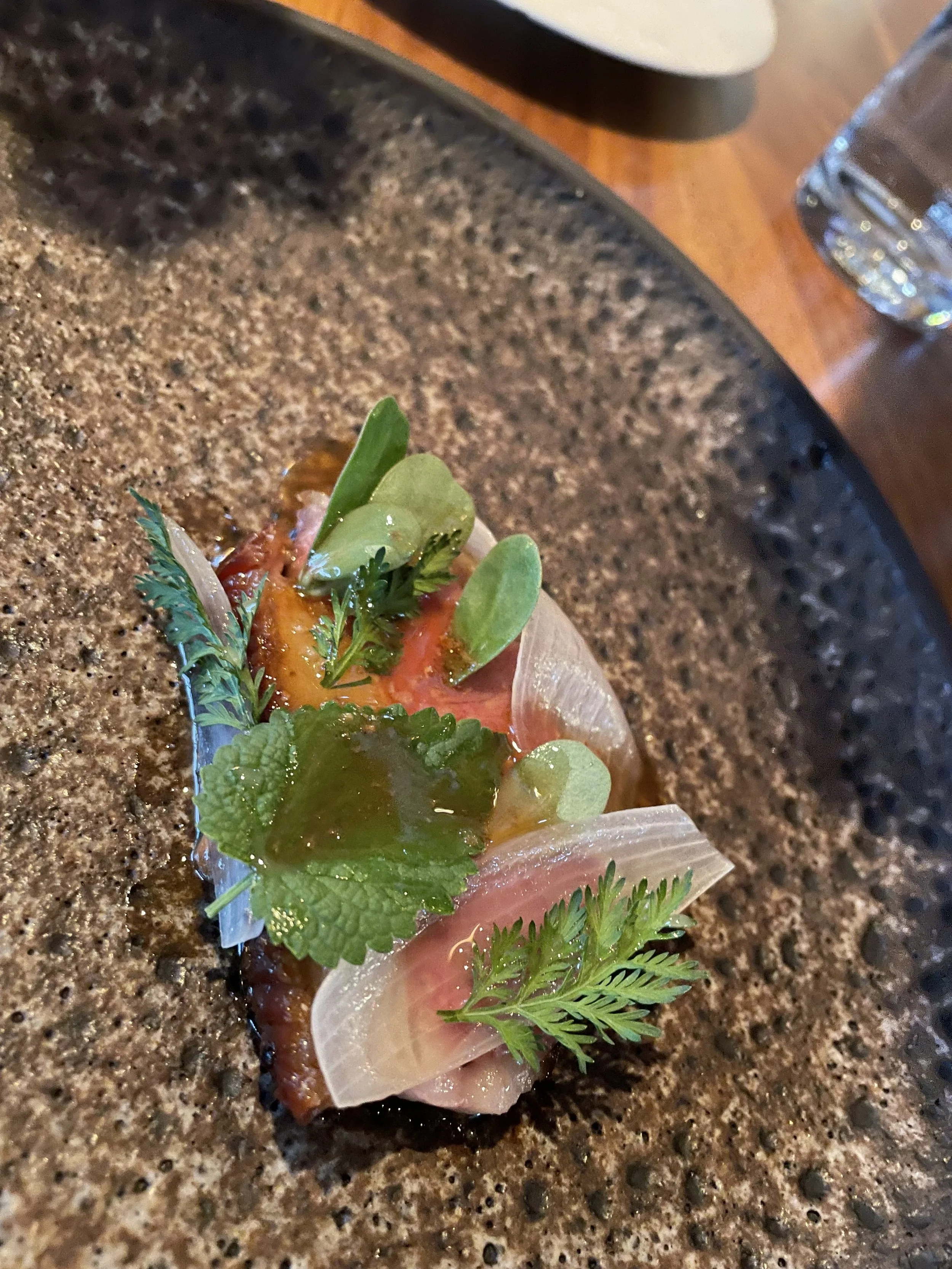
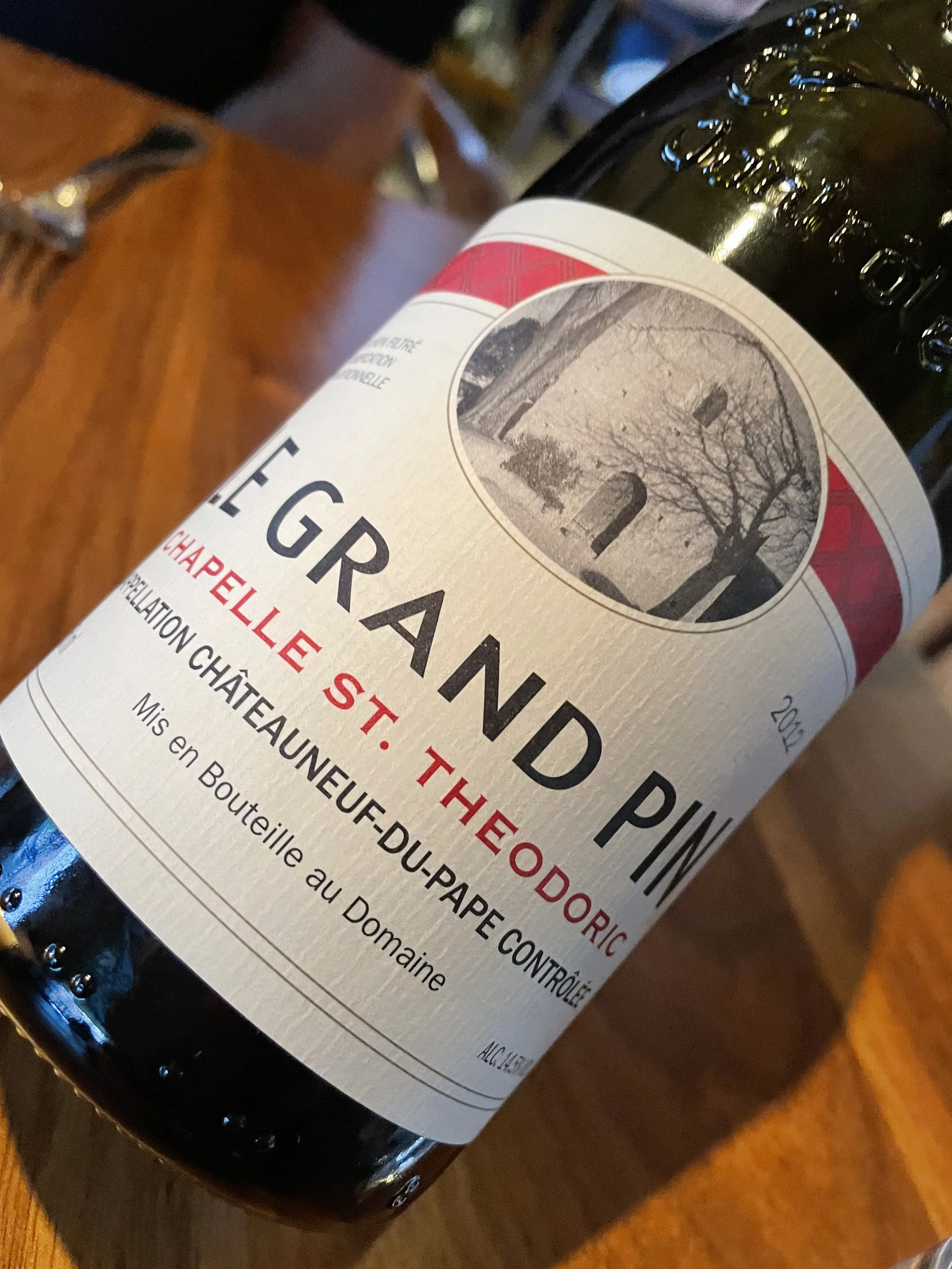
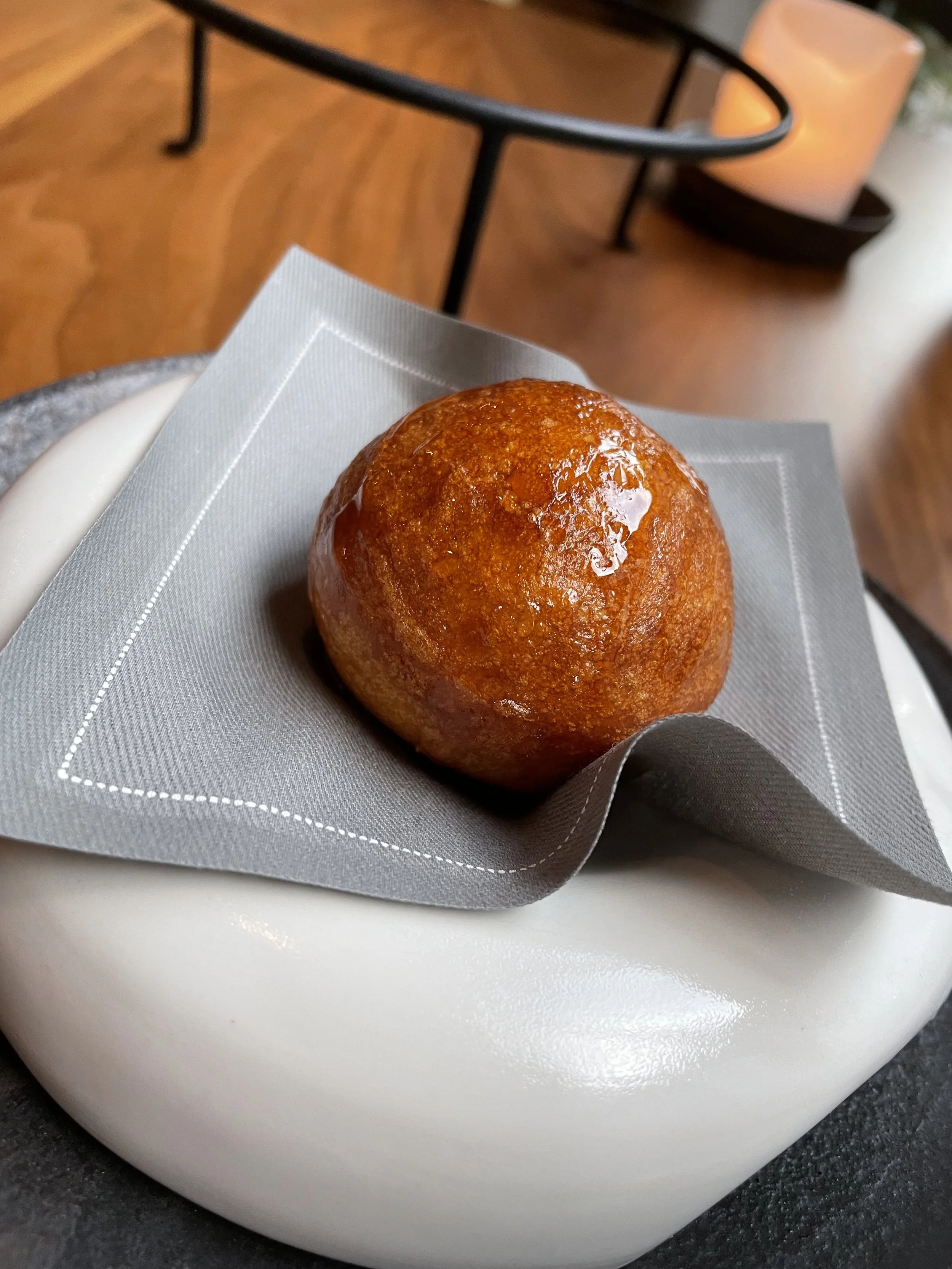
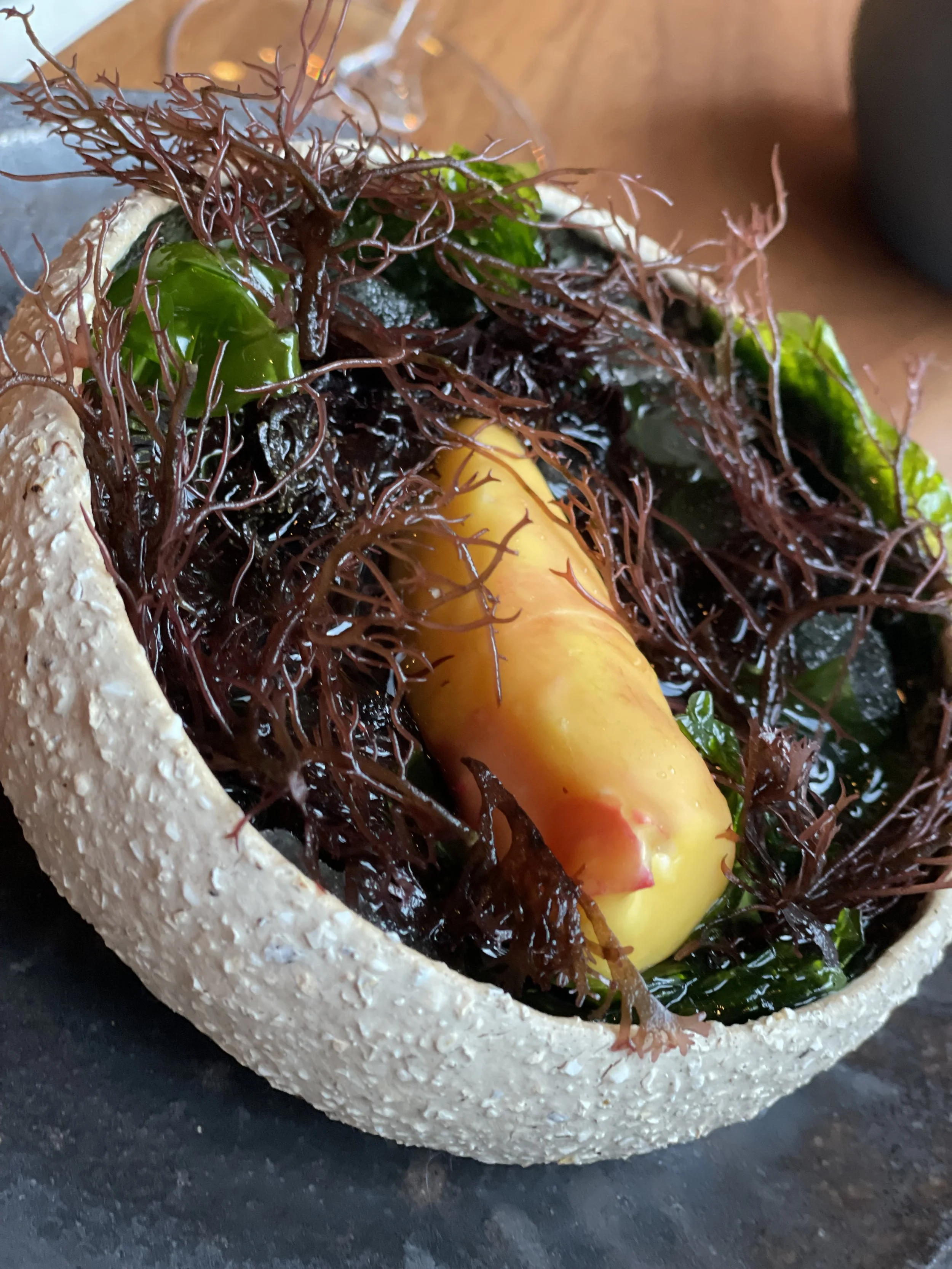
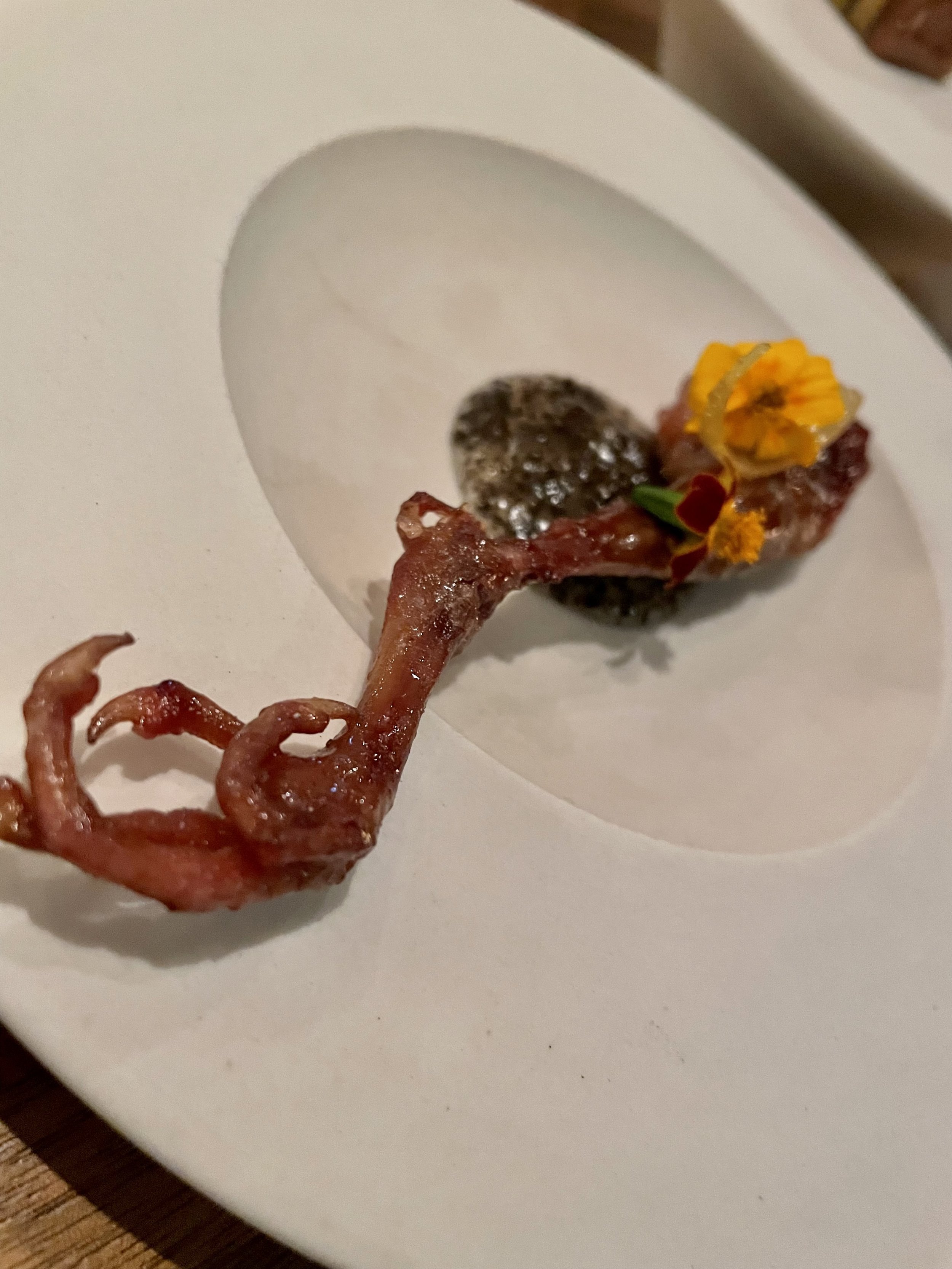
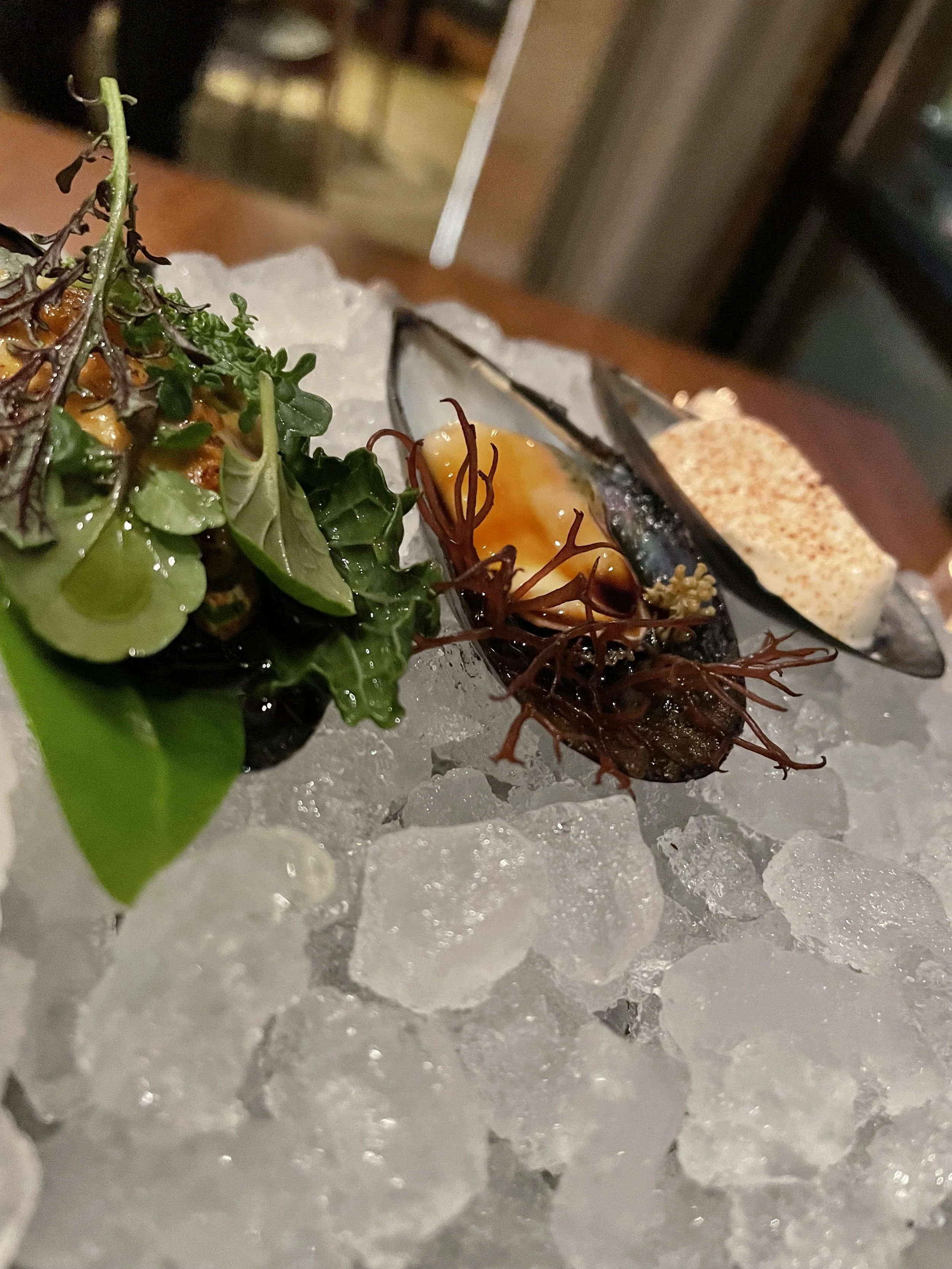
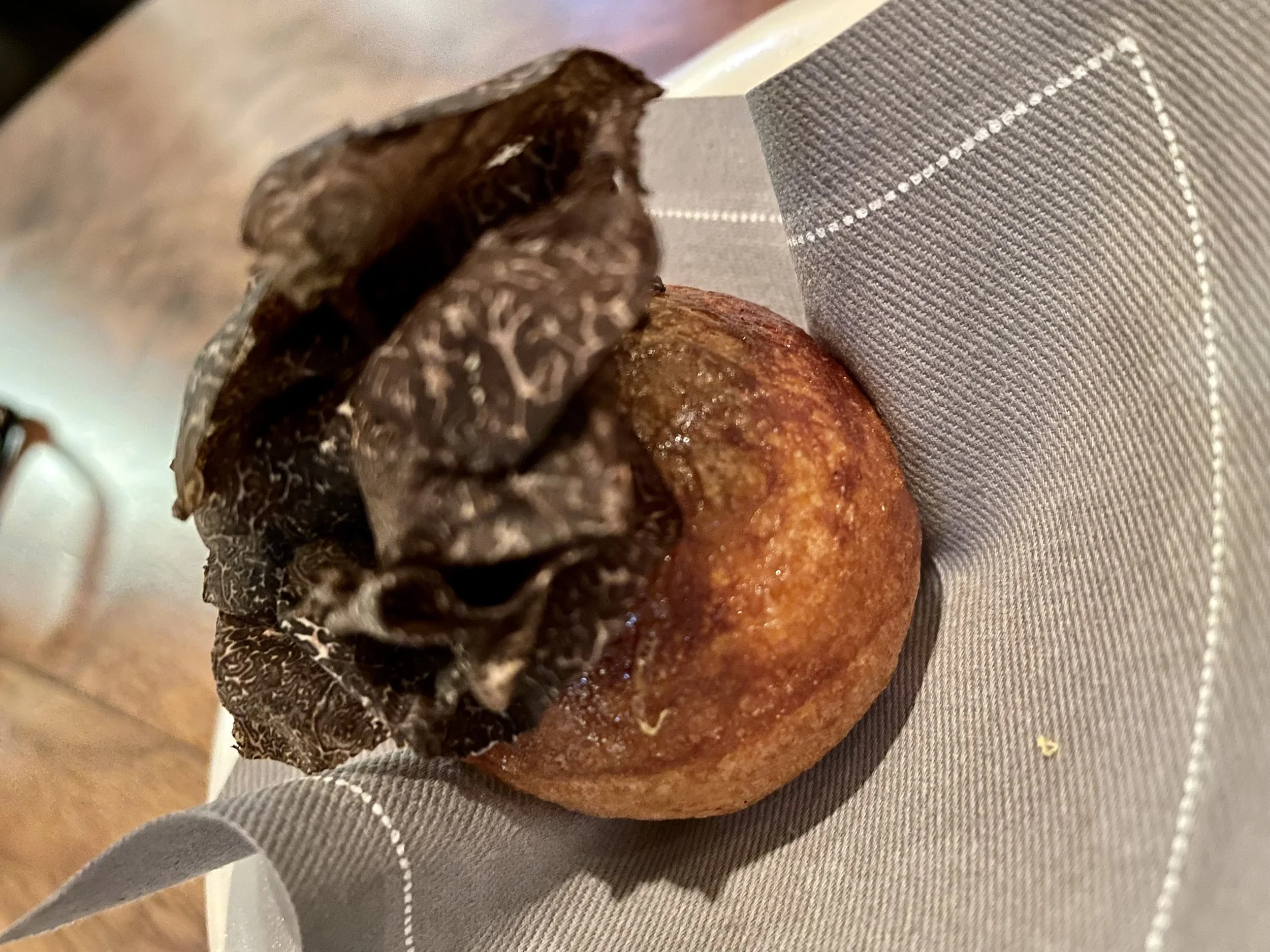
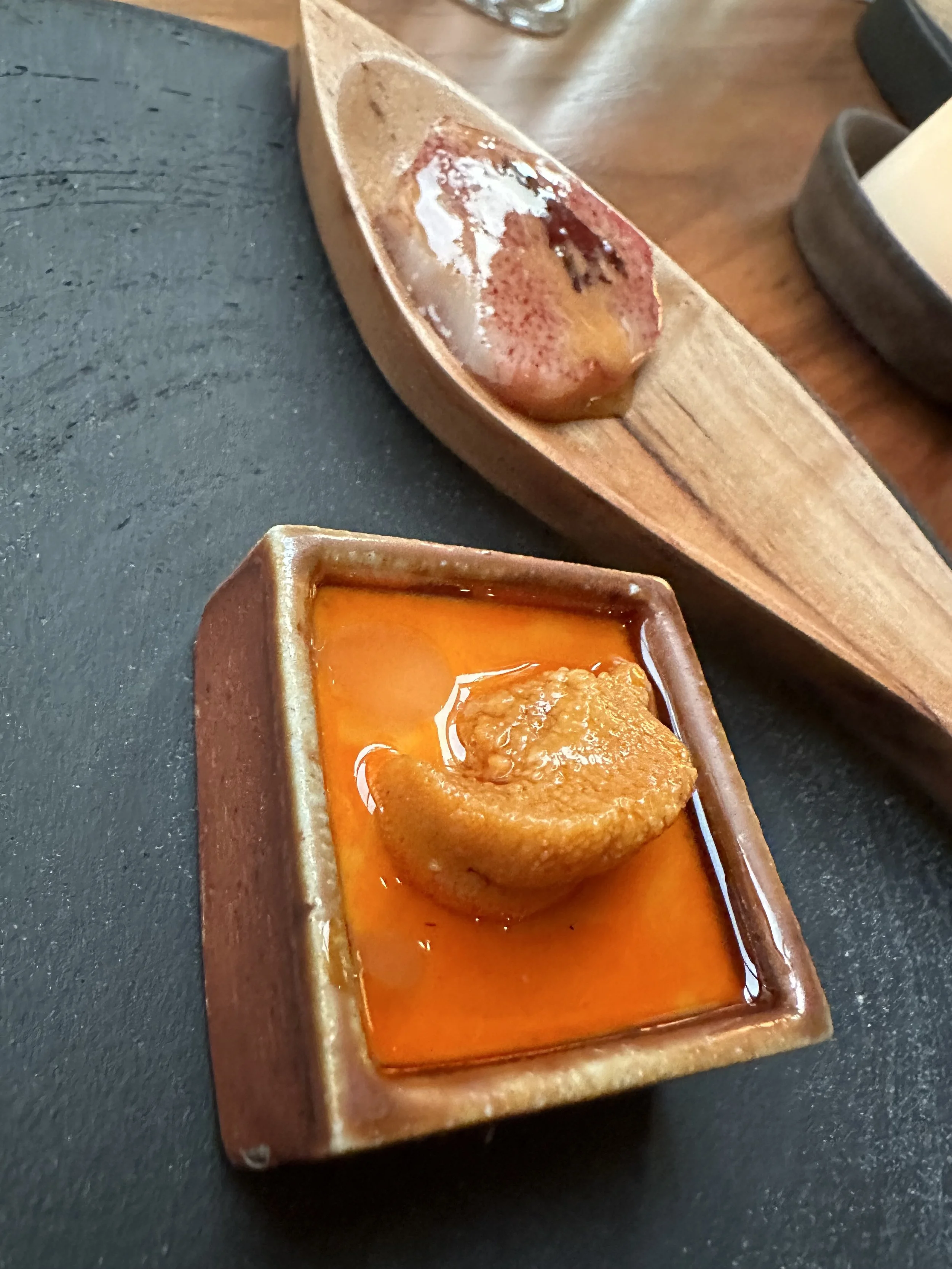
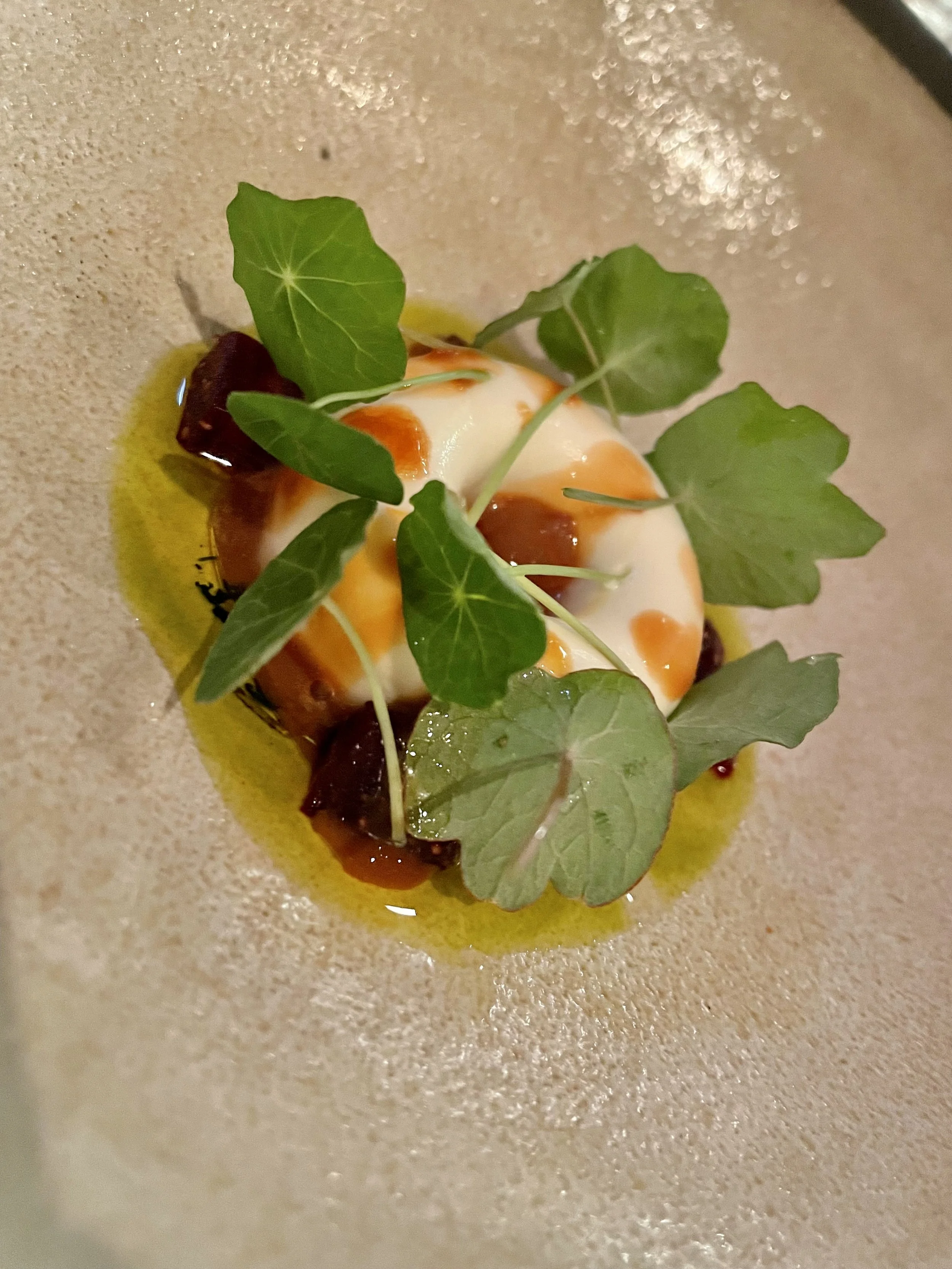
But if a single dish encapsulates the Smyth kitchen at its most extraordinary, it may be Cherokee grits with supremely fresh Dungeness crab and a matsutake reduction, served during a remarkable collaboration dinner with Chef Sean Brock. That evening — "SeanJohn", as I came to think of it — was a seamless integration of two of my favorite kitchens, so harmonious that I could not always determine the origin of each dish. The shared heritage so evident, the connection so natural, that the seams simply disappeared. Between stints in the kitchen, Brock was behind the turntable in the living room — spinning records, perfectly at home, as if the whole evening were one long, delicious jam session. The grits dish was elegant and urgent all at once and absolutely demanded your attention. Representative of what happens when John Shields operates at full creative altitude.
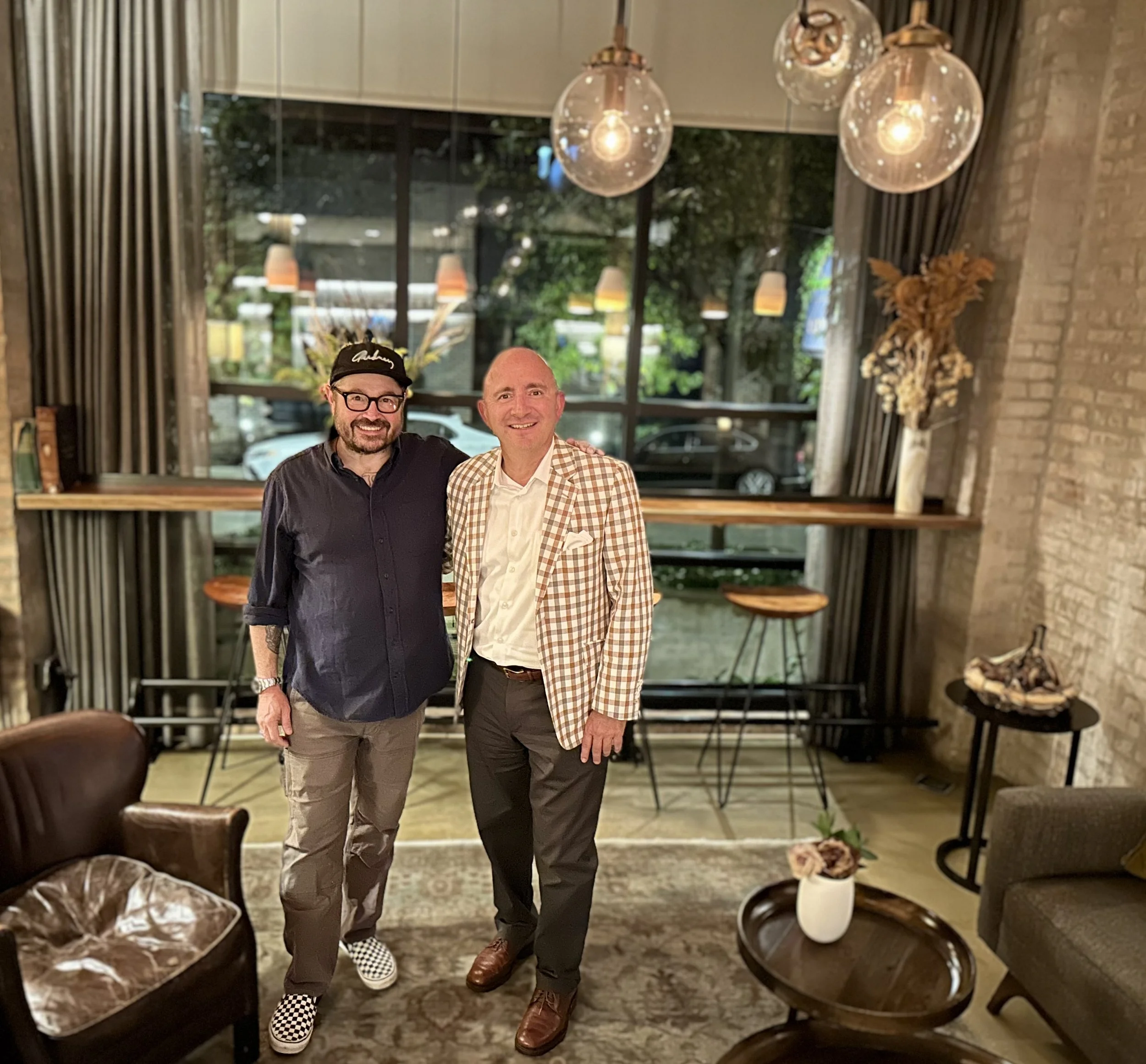
A collaboration dinner with Chef Paul Liebrandt produced one of the more memorable bites of my many visits — a squab leg preparation that conjured, of all things, the sweet-spicy harmony of Korean fried chicken. Upscale, refined, and so delicious that I am fairly certain the squab population of the West Loop has been in hiding ever since.
But to speak only of the food at Smyth is to miss the point of Smyth.
This is a restaurant animated by its people — and that is no accident. John Shields has always understood that the hospitality experience is inseparable from the food, and the caliber of talent he has attracted reflects that understanding completely. Gerber set the tone, and those who followed matched the kitchen's ambition note for note — creating evenings that felt personal rather than performative, night after night. I will add this as the highest possible compliment: on several of my visits, Chef Shields was not in the kitchen or even in the house. And yet the food, the service, the feeling of the room — none of it diminished. At some chef-driven three-star tables, the absence of the chef is immediately, unmistakably felt. At Smyth, the vision is so deeply embedded in the team that it simply carries on. That is the mark of a true institution.
No restaurant achieves what Smyth has achieved without remarkable people dedicating themselves, night after night, to excellence. When the third star arrived — the only new three-star restaurant in the country that year, one of approximately 140 in the entire world — I understood it not as a surprise but as an arrival. Something that had been building across every visit had finally been recognized. And when I returned to celebrate my birthday in the wake of that announcement, the warmth of the welcome, the specialness of the evening, the particular joy of sharing in a team's achievement even in a small way — that is not something a Michelin inspector records in their notes.
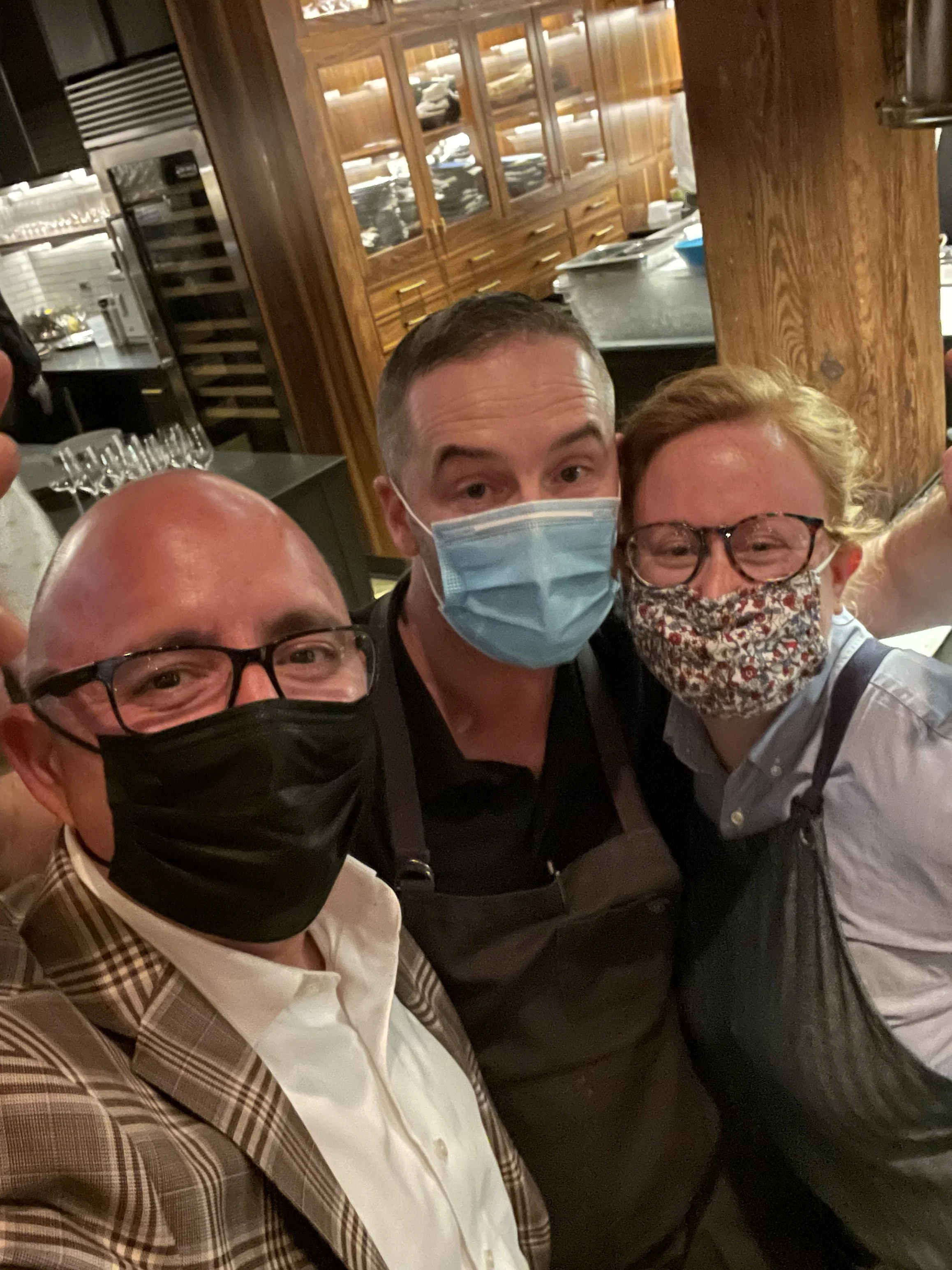
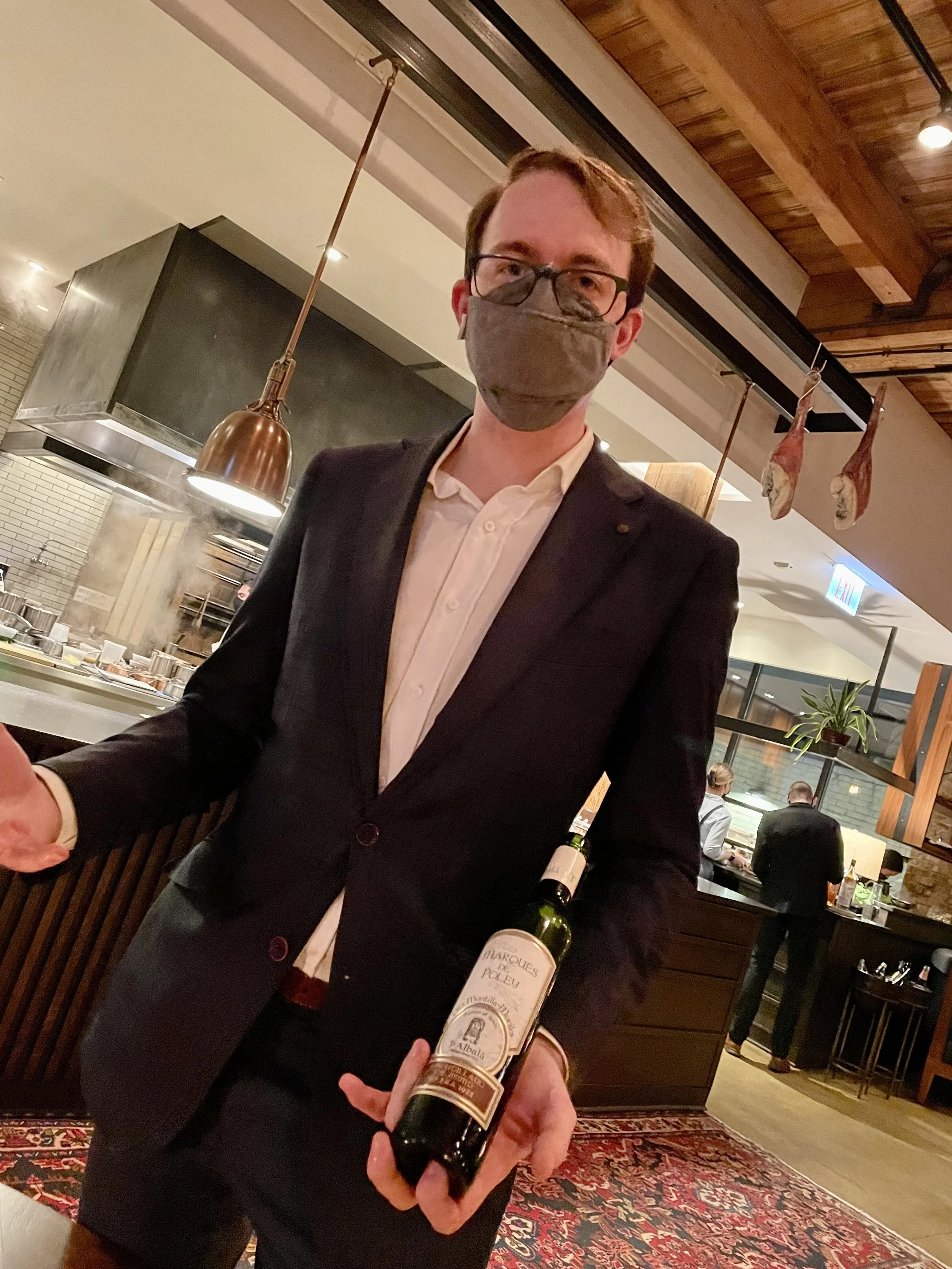
And then? There is the Dirty Burg.
You may know it as the Loyalist Cheeseburger. To those of us who were there early, it has always been the Dirty Burg — and knowing that name felt, for a time, like belonging to a secret club. The Dirty Burg is the celebrated cheeseburger served downstairs at The Loyalist, Smyth's more casual neighbor — perennially among the top twenty burgers in the United States, ranked number one on some lists, and for those of you scoring at home, optimally paired with Champagne. I am not shy about obsession when it comes to food and drink, and I have barely recovered from my Dirty Burg obsession, now almost eight years on. This is twelve-step territory. Besides my trips to The Loyalist itself, I have been fortunate enough to receive it as a surprise course upstairs at Smyth — dropped into the middle of a world-class tasting menu like a beautiful, rule-breaking secret between old friends.
A cheeseburger. At a three-star restaurant. Mid-meal.
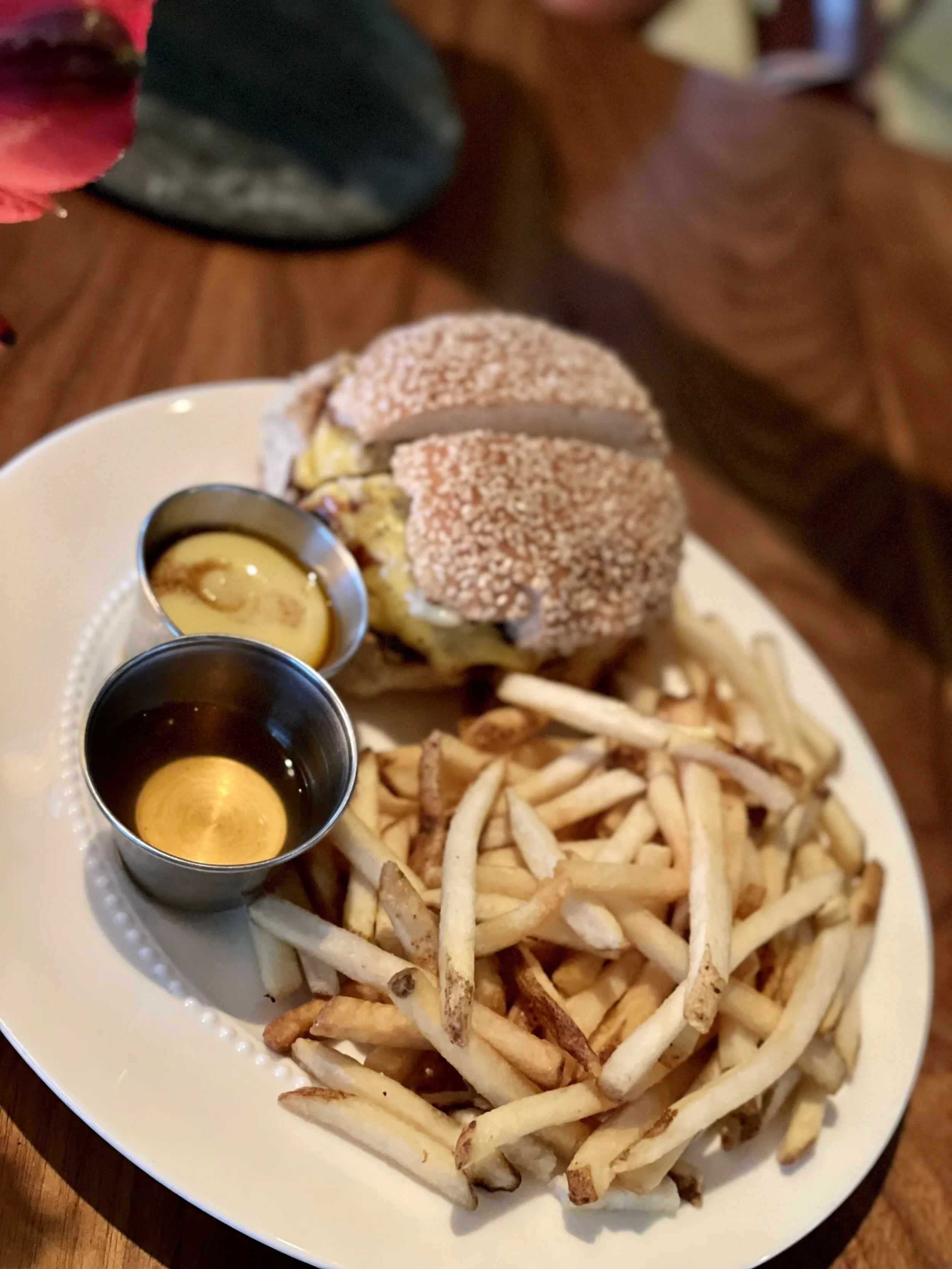
And it is absolutely, completely, perfectly right. The team was generous enough to share some of its secrets with me — heritage short rib, chuck and bacon ground fresh, roasted onion mayo touched with Würze for umami, caramelized onions, American cheese, and house-cured bread and butter pickles whose slightly sweet acidity and crunch set this fatty, juicy masterpiece absolutely free. I have attempted my own Sierra version on snow days in Nevada, and while it isn't the original, it takes me back every time to a lovely summer afternoon in Chicago, drinking rosé with people I love. That is what great restaurants do. They don't just feed you. They stop a world-class tasting menu in the middle and surprise you with a bonus course of a cheeseburger and fries because they know it's your favorite. They give you something to carry home — a feeling of belonging, of being seen, of being not just a guest but a part of something extraordinary.
In May 2026, Smyth was named the Best Restaurant in North America — rising from No. 4 last year to claim the summit. It was an announcement that surprised no one who has dined at Smyth or watched Chef Shields work. When Gerber found room for me at that first table all those years ago, I believed this restaurant had what it took to reach the very top. It has.
And there is one more thing worth noting. Something small, perhaps, but it says everything. Many three-star restaurants wear their stars prominently — on the door, on the menu, in every possible place a guest might look. (I would too, frankly.) But at Smyth, the Michelin plaque faces the kitchen. Not the guests. The team sees it. The guests do not. And I have never once heard more than a whisper from that kitchen — no shouting, no theatrics, no performance of intensity. Everyone knows their role. Everyone does the work. The results speak for themselves. It is, I think, the most Midwestern thing about Smyth. They don't show off. They don't brag. They just do things.
And then, apparently, they do them better than anyone else in North America.
Bravo. 👏🏼