Some stories don’t fit on a menu.
The best food writing has always been about more than the plate — it's about the people behind it, the history underneath it, the place that made it possible. Northern Nevada has more of that than most regions its size, and most of it has never been written down.
At the Table is where that changes. These are essays, not reviews. Longer reads for anyone who wants to understand not just where to eat here, but why any of it matters. The recommendations are elsewhere on this site. This is the story behind them.
Enduring Traditions
A Picon Punch at 11am on a Thursday is never really a question. Across Northern Nevada — from Reno to Gardnerville, Winnemucca to Elko — the Basque tradition lives in the walls, the hats, and the tables where generations keep coming back.
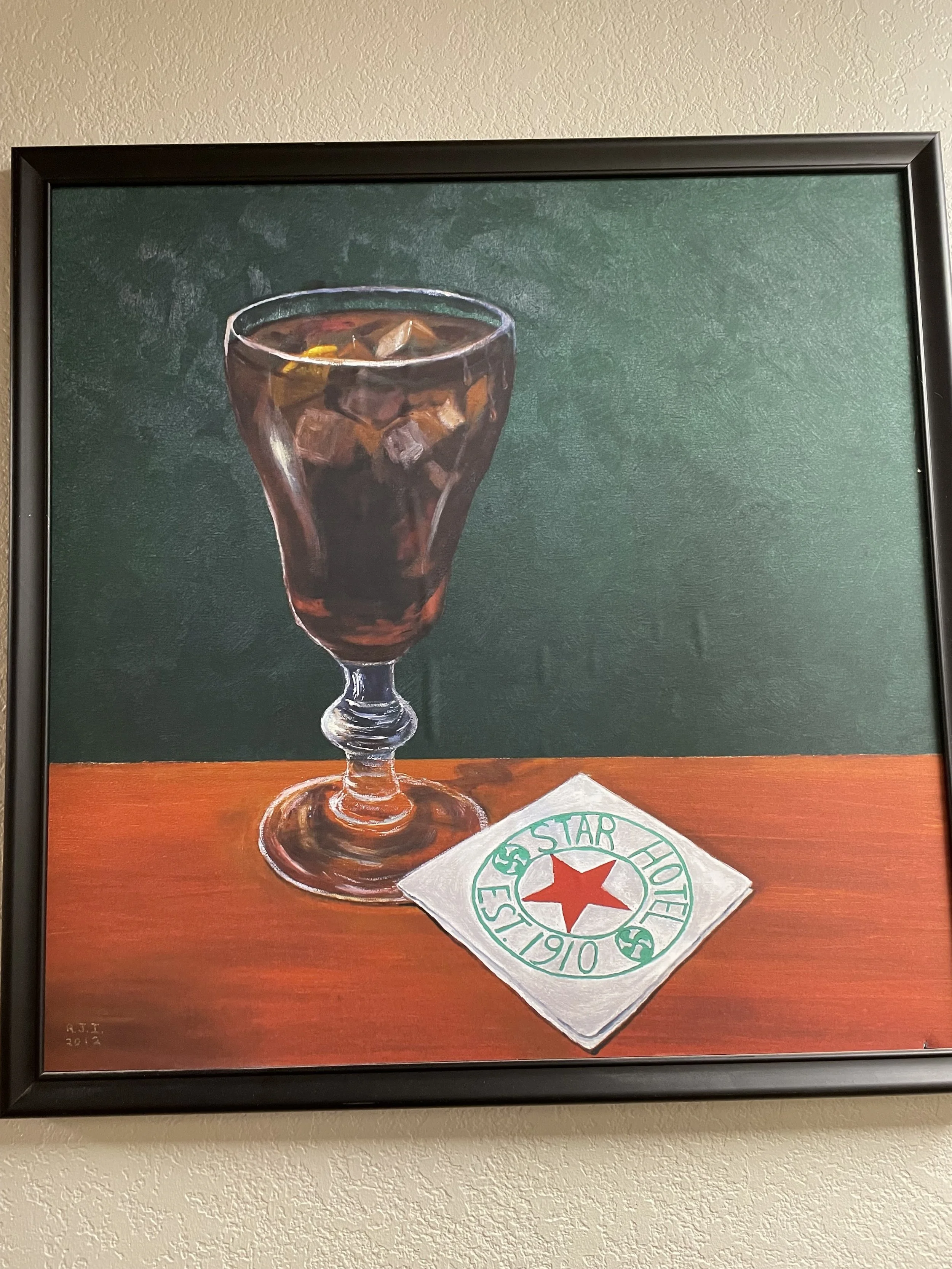
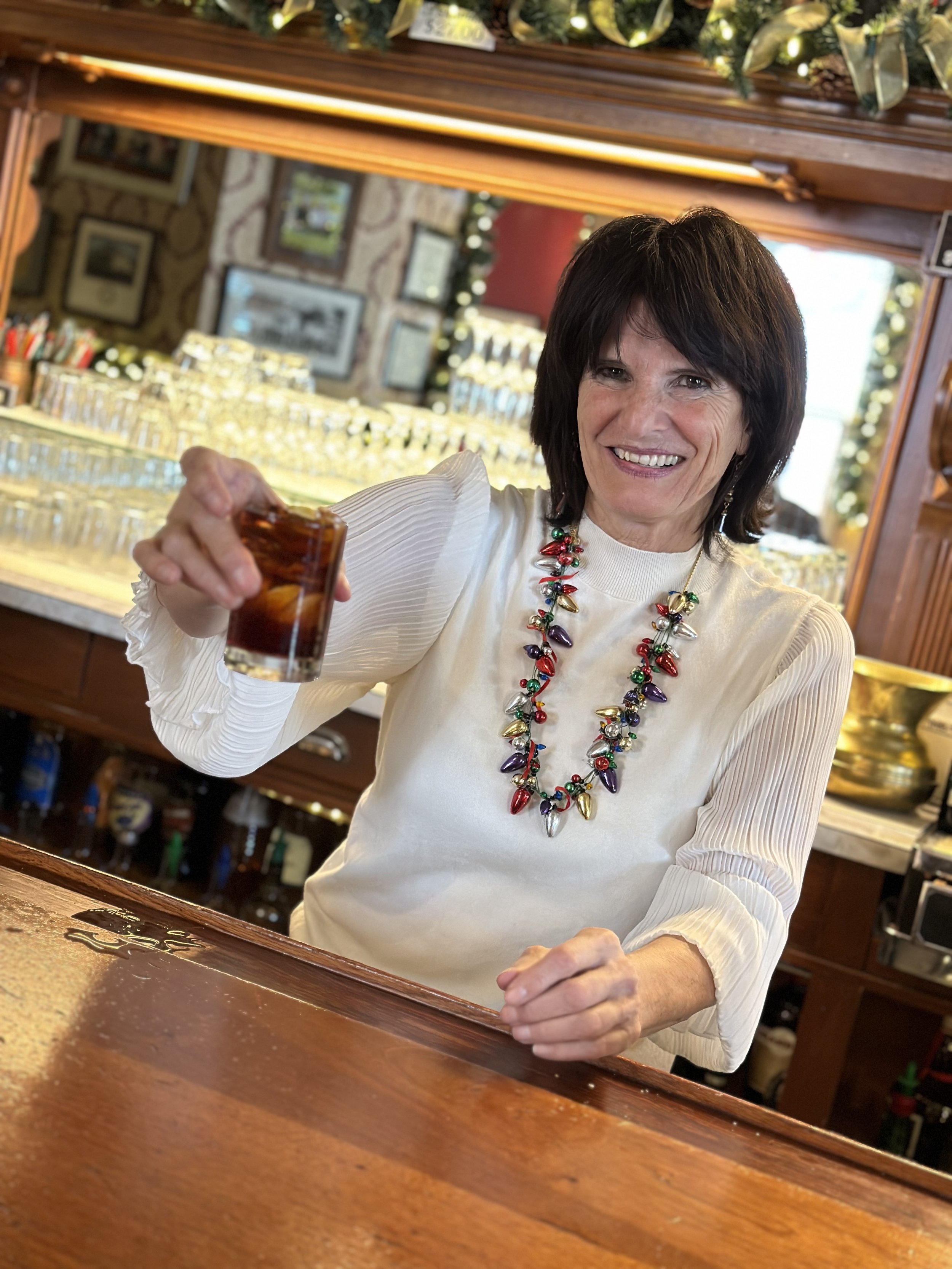
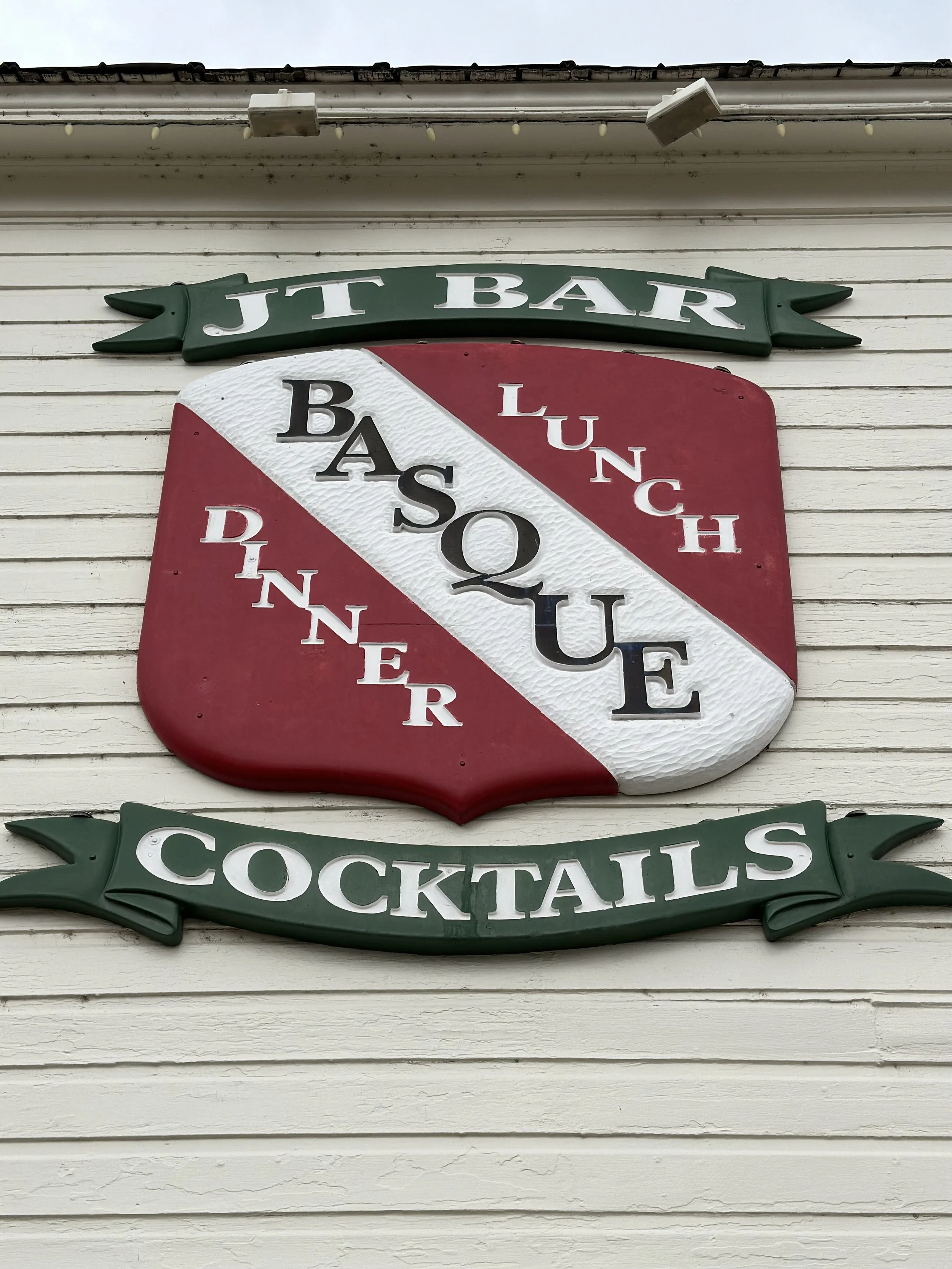
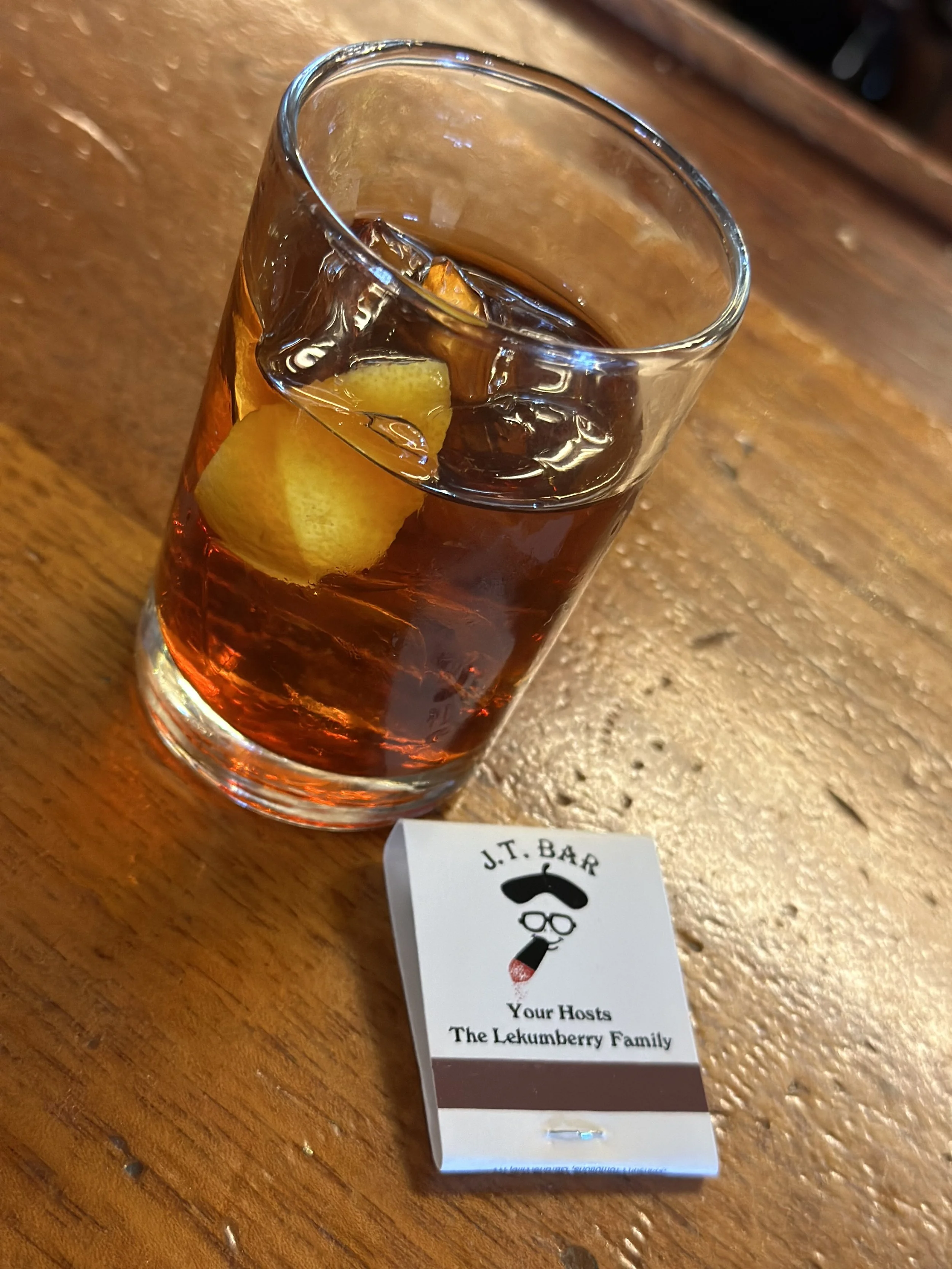
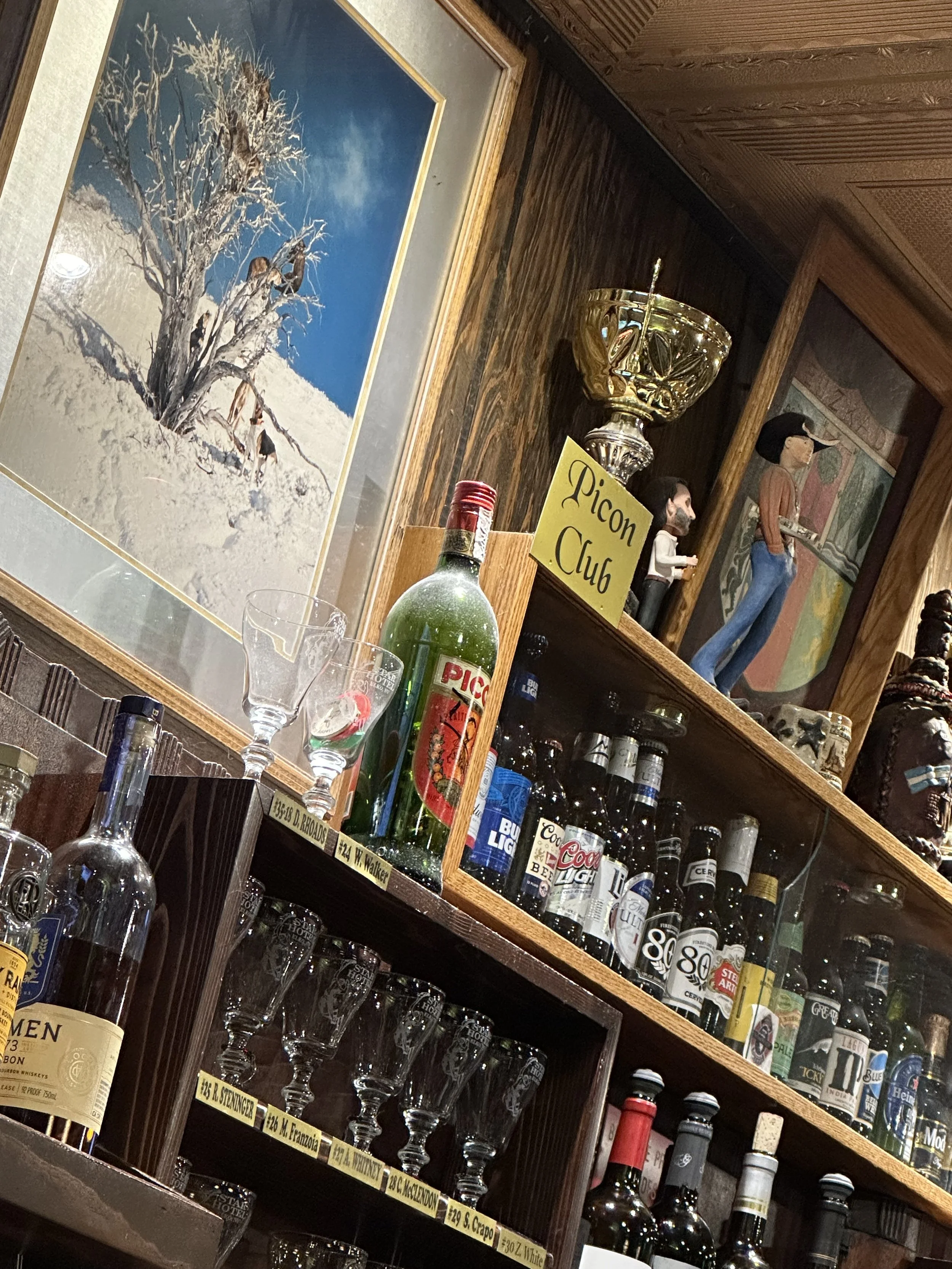
“Would you like a Picon Punch?” Even though it was 11am on a Thursday, this was less a question than it seemed. You see, this staple of Basque identity does not live by the clock, and one is rarely refused, especially when offered by Marie Louise Lekumberry, co-owner of J.T. Basque. This heady mixture of amaro, brandy, soda water and grenadine is ubiquitous in all Basque bars, restaurants and gathering places and was just recently named the official state drink of Nevada.
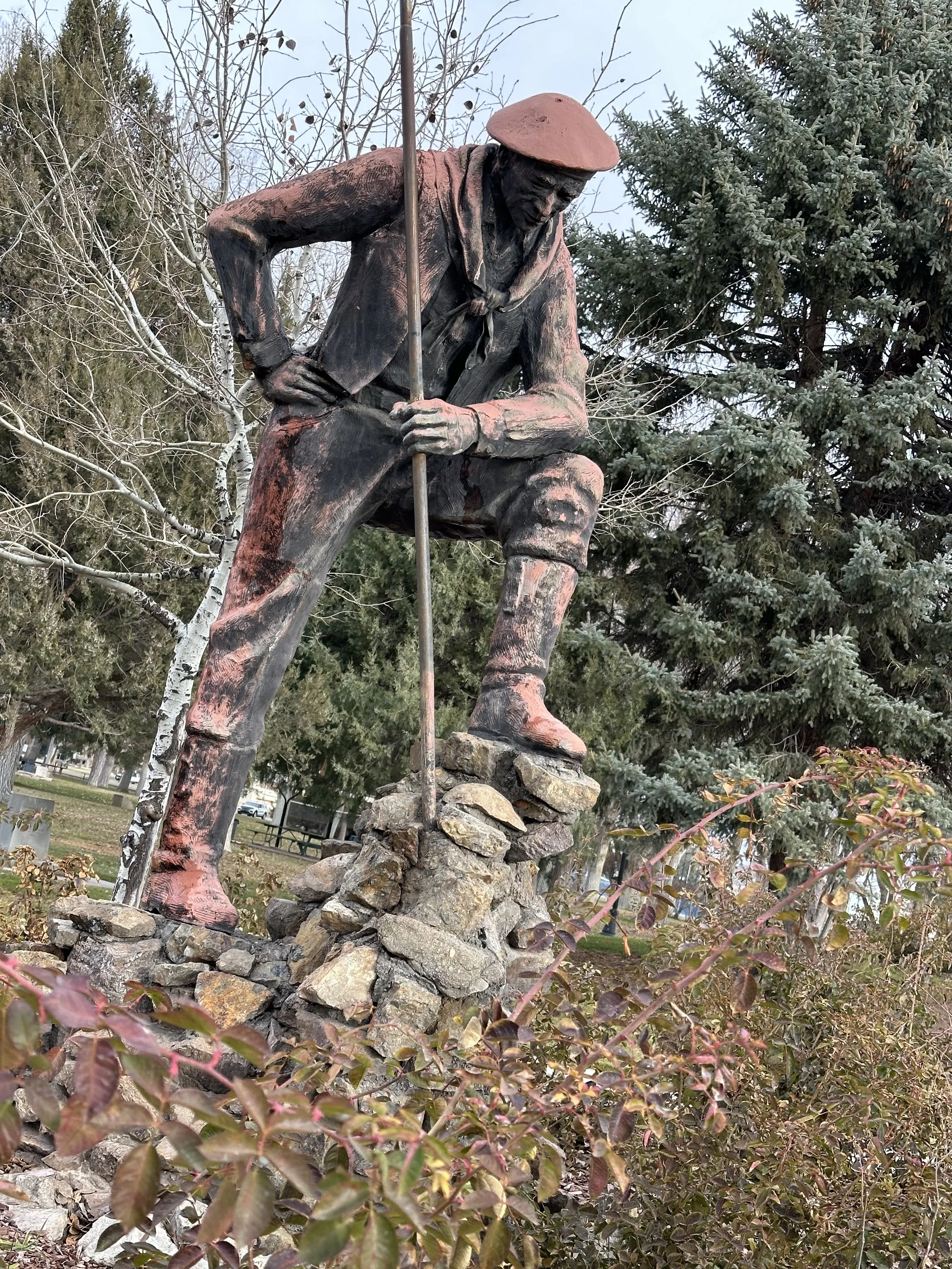
Since emigrating here in the mid 1800’s from the mountainous region bordering Spain and France, the Basque have become an indelible part of our communities. First as participants in the Gold Rush then, later when the claims disappeared more as shepherds and ranchers. In winter as they retreated with their flocks from the mountains, local boarding houses would help support these hardworking men offering them food, familiarity, and a sense of family.
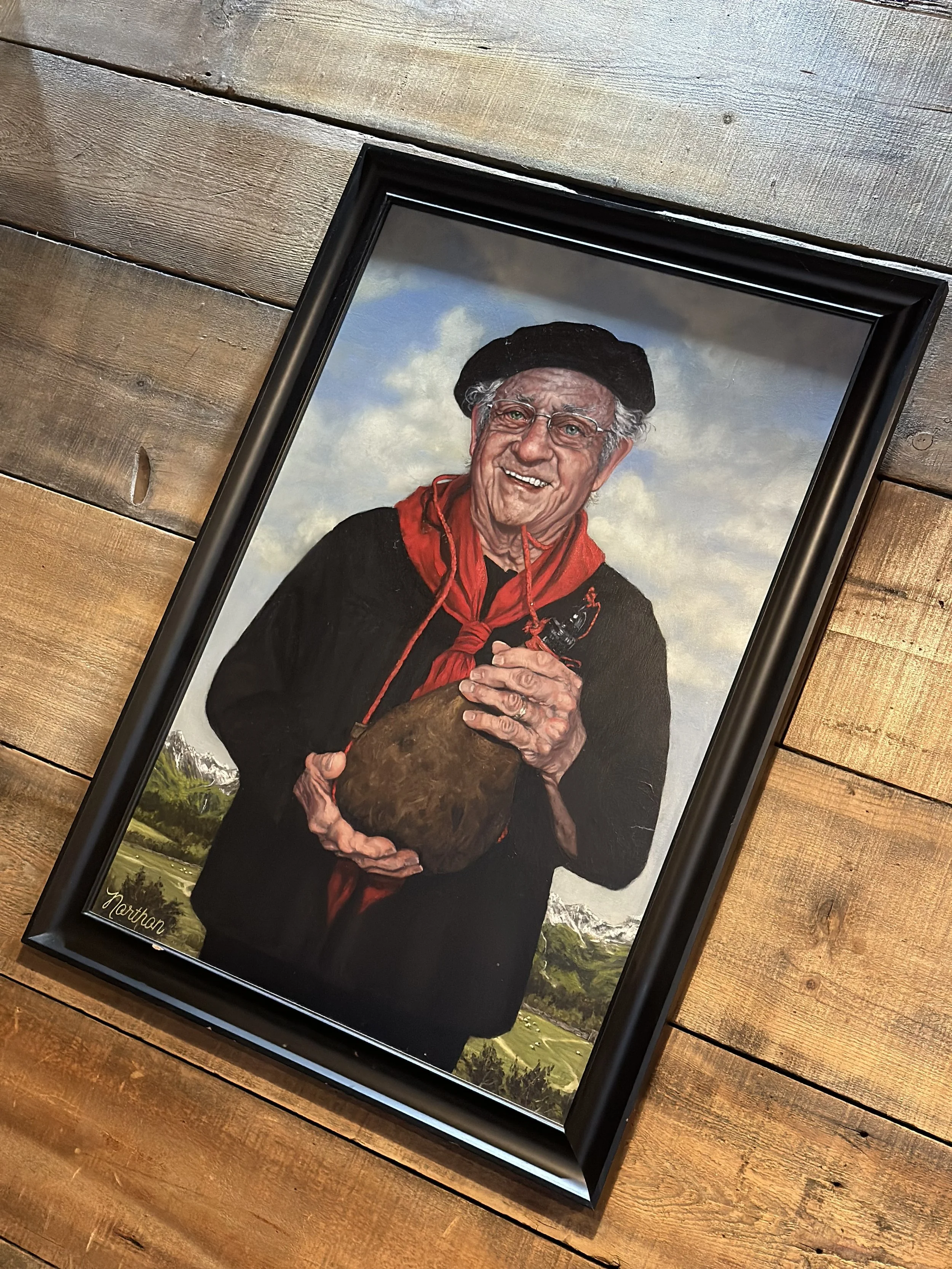
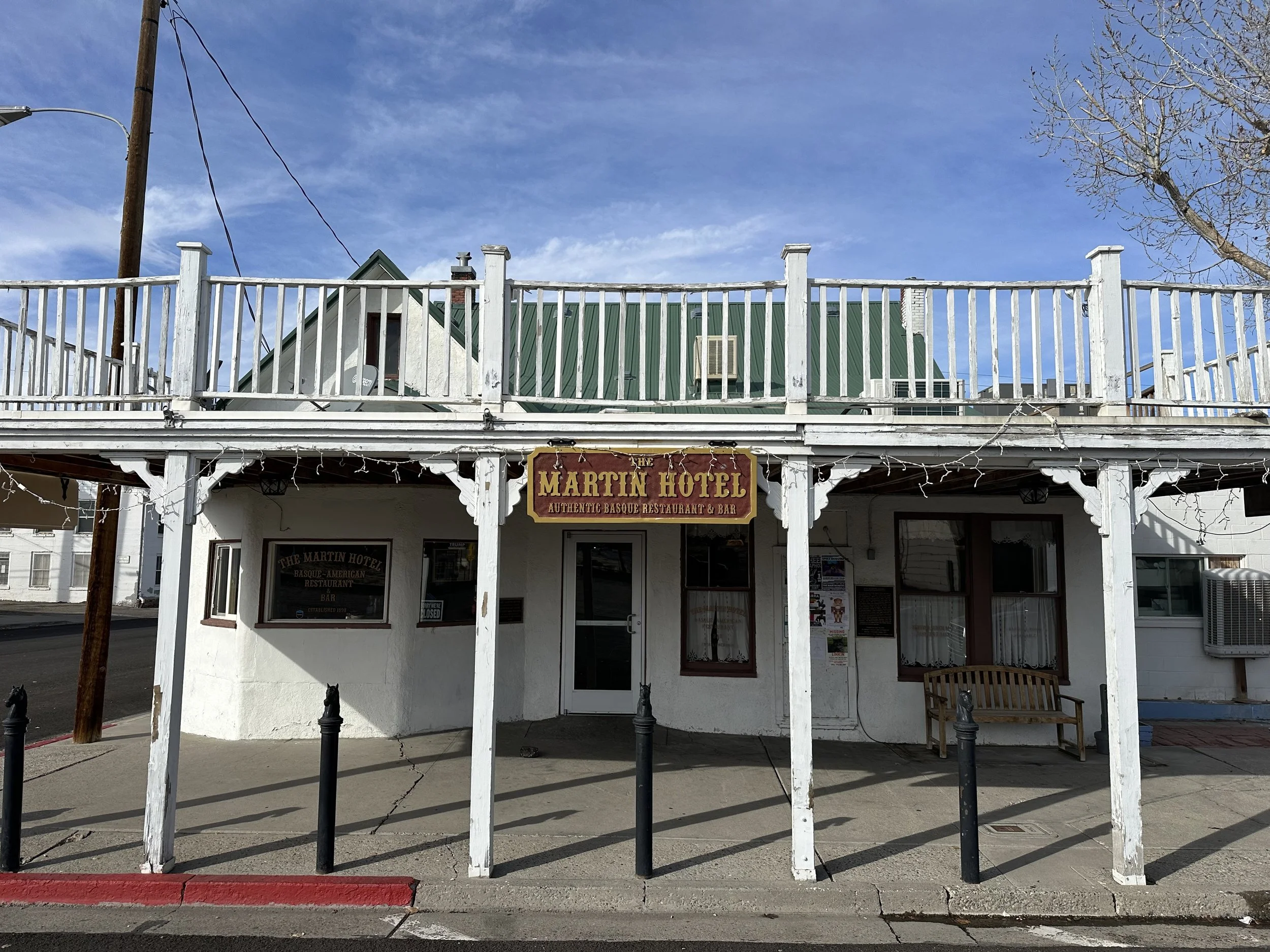
Through music, dance, and language but most of all through food, the Basque heritage is still celebrated here with passion. A passion for people, for music, for life. There is an old Basque proverb which says, “We are… because we were” and this is in full view as they come together family style, in the ancient tradition, joining at common tables to gather, to eat, to talk… to remember. Local places such as Louis’ Basque Corner, The Fe, J.T. Basque and The Martin have served for decades to introduce this fiercely proud culture to Nevadans and visitors alike. From Reno, down to Gardnerville, past the sage and juniper to Winnemucca and out to Elko, traditions are kept alive by these prominent and nostalgic former boardinghouses turned restaurants and social clubs, steadfast pieces of a still vibrant collective.
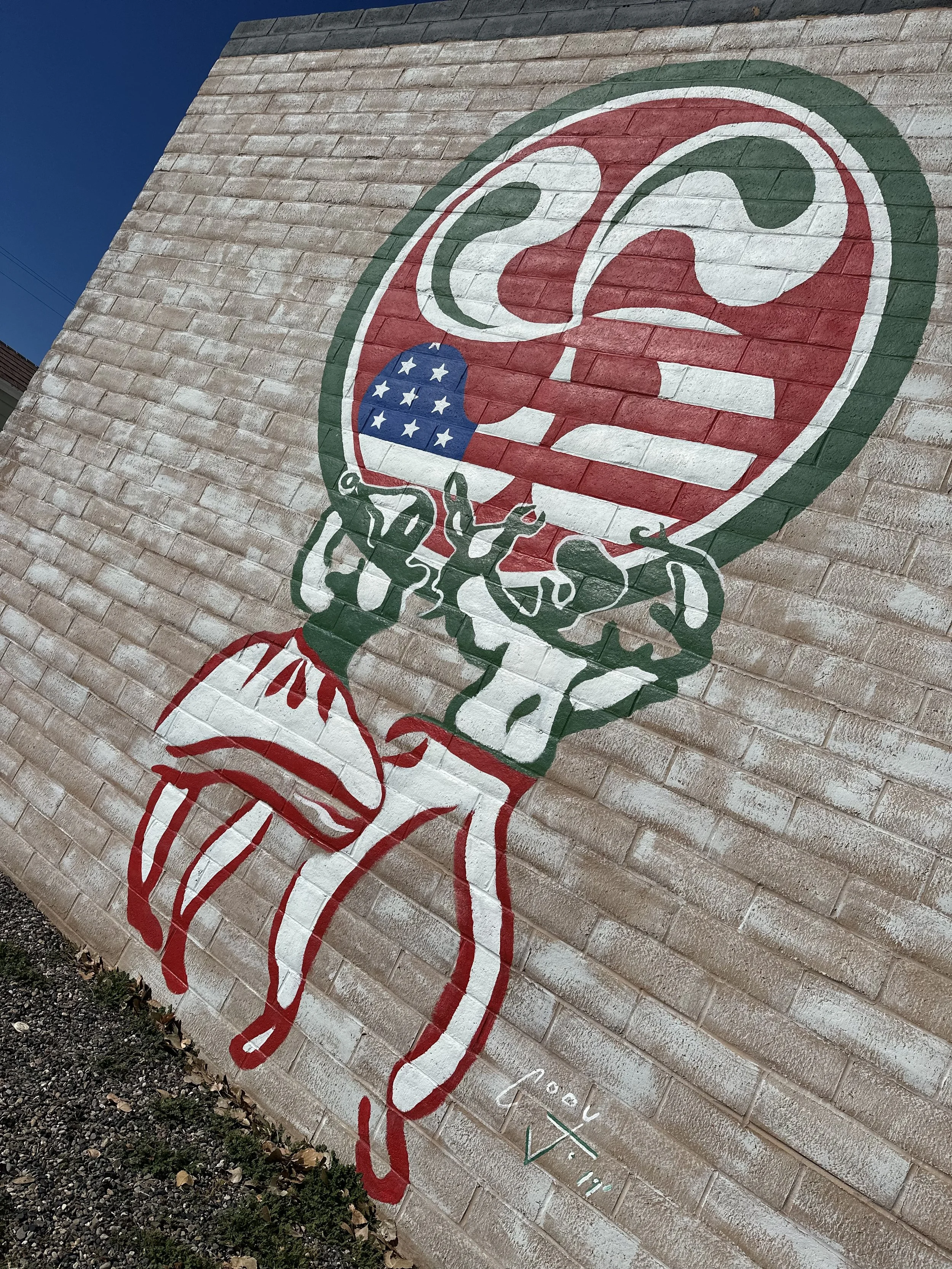
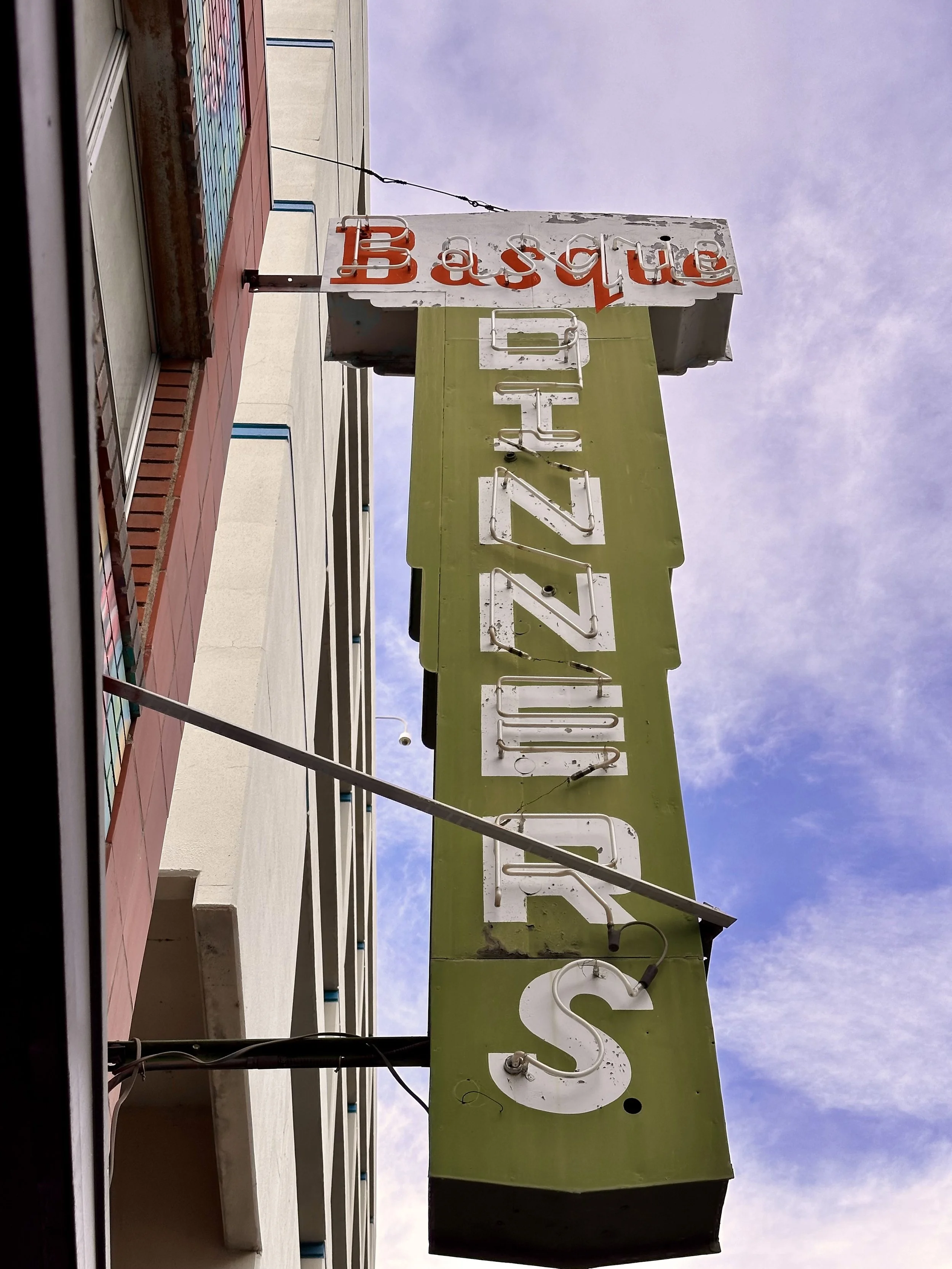
“Ongi Etorri’ in the Basque language means “welcome” and these indeed are welcoming places to connect, share a drink, a meal and a fun experience. Or as John Arant, owner of The Martin in Winnemucca says, “They are a cornerstone of culture here”. Generations returning time and again for the sense of place, for the feeling of home.
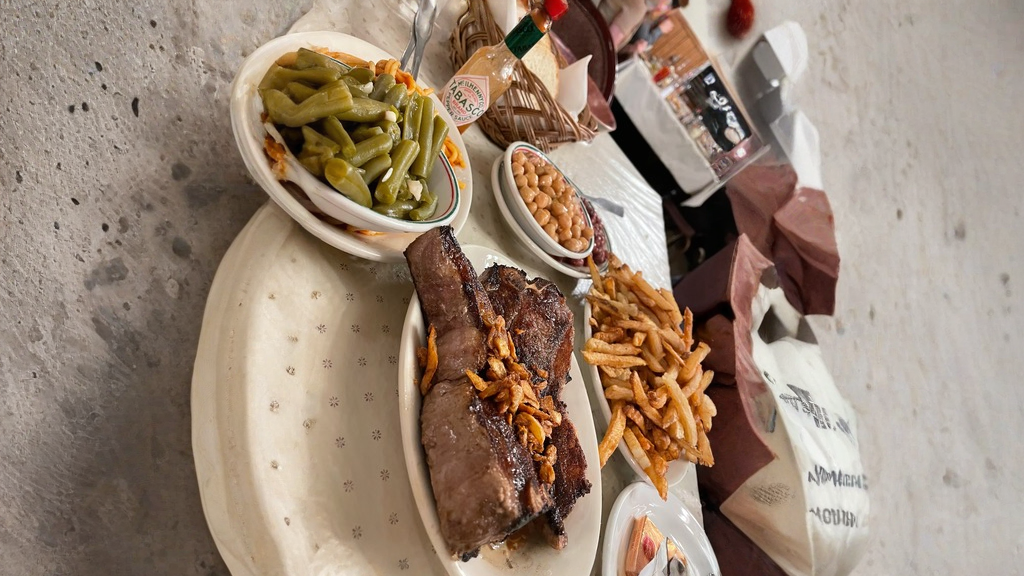
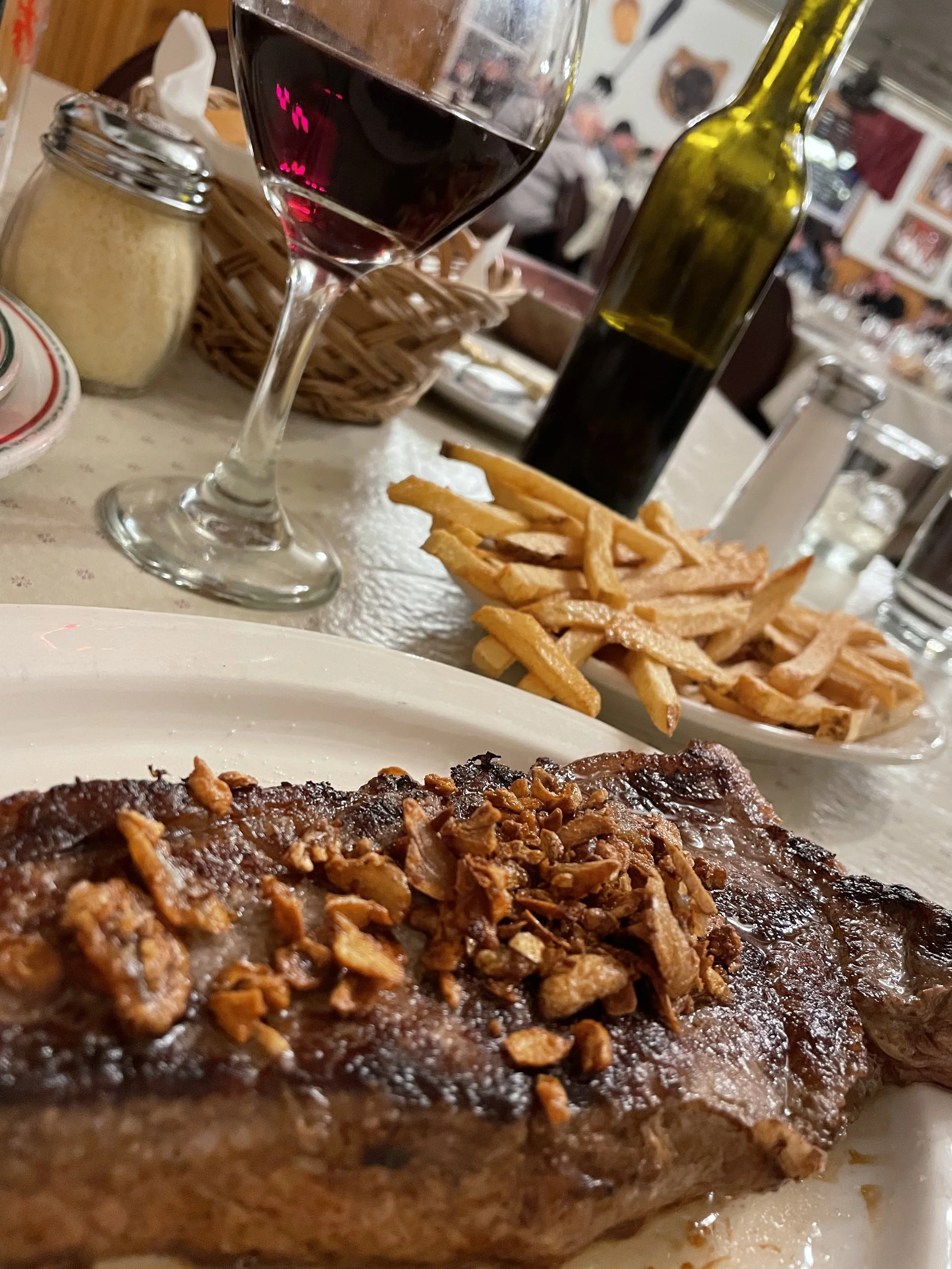
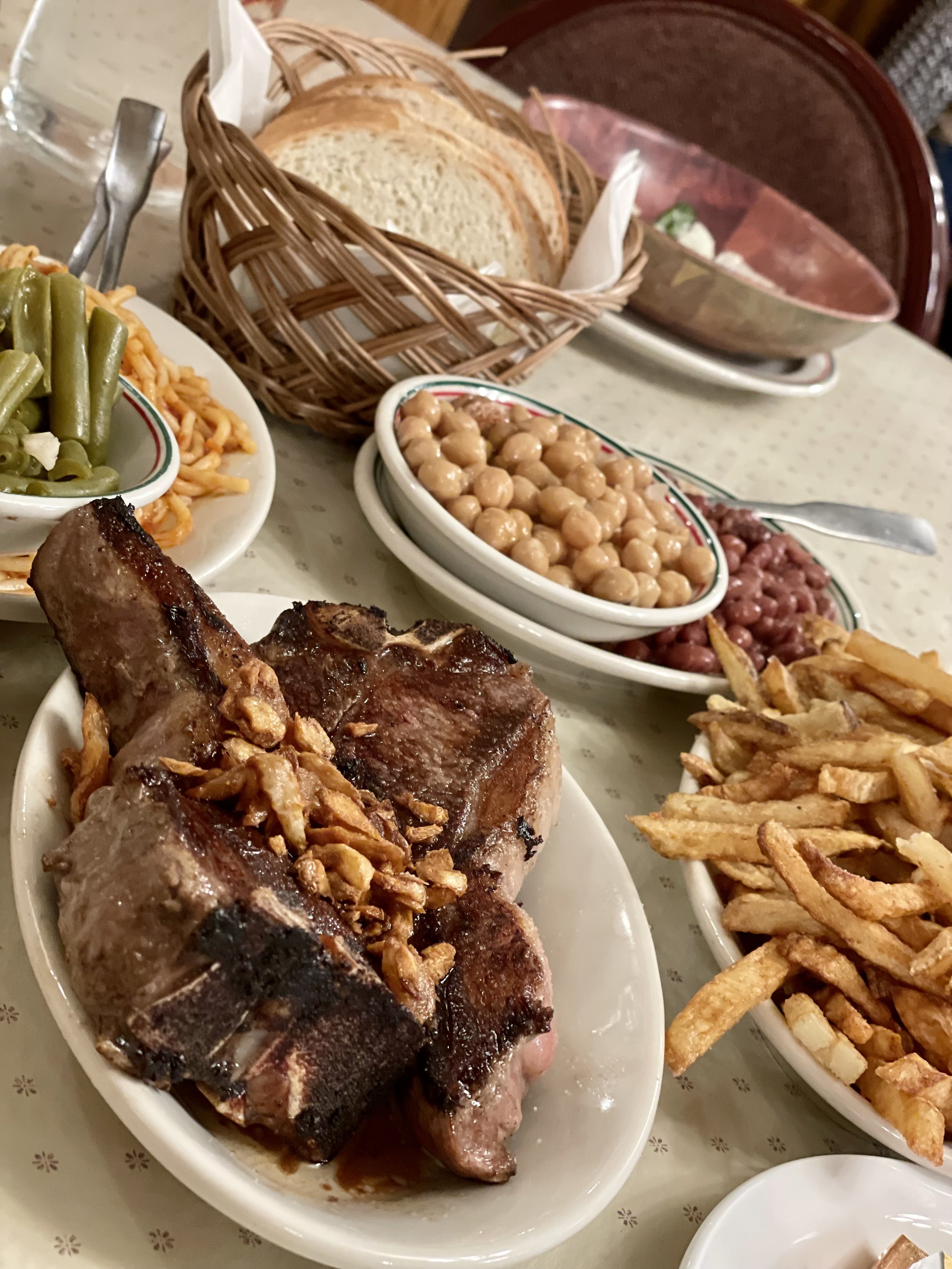
Time largely falls away as diners and new friends alike bond over traditional fare at The Martin and “On egin!” (Enjoy your meal!) is offered with sincerity as the bread baskets overflow, and wine glasses are constantly refilled. Course after course of soups, salads, beans, and french fries in heaping portions are brought for the table, backed up by sizzling entrées from the local ranches featuring charcoal grilled steaks, lamb and classic preparations of Solomo (pork loin), sweetbreads and tongue. Garlic is seemingly its own food group here. The long tables and warm atmosphere helping to immerse diners in the Basque culture and tradition. Singing should be expected and no one leaves The Martin hungry.
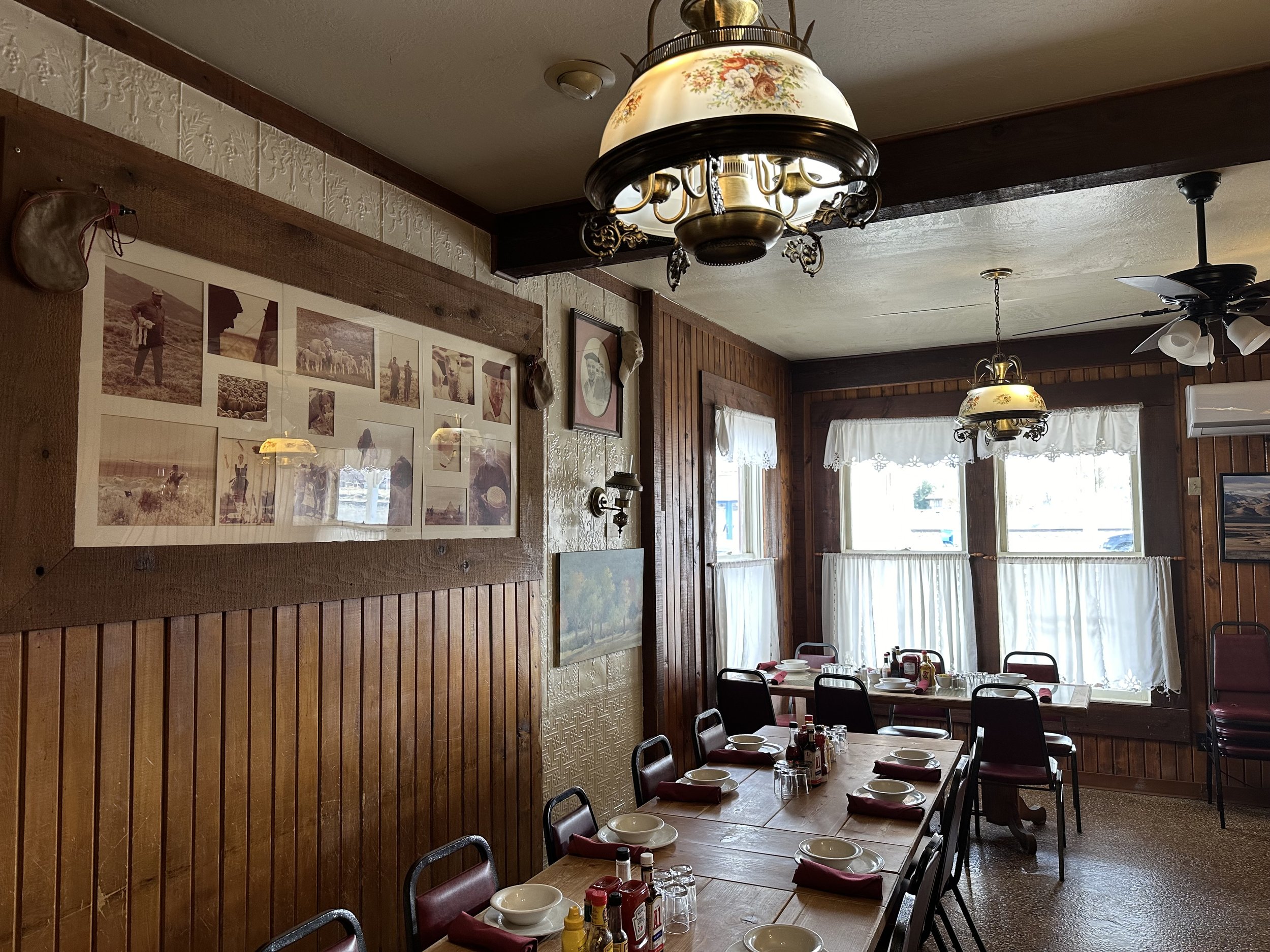
Not every keeper of the Basque tradition looks exactly the same. In downtown Reno, a new iteration of the venerable Santa Fe Hotel dining room reopened, now called simply "The Fe", this more modern take largely dispenses with the family style, multi course meals in favor of a small plate approach. According to co-owner Gavin Sarratea, the small plates called Pintxos (pronounced: pinchos) are “a better fit for how people choose to eat now and allow for a more authentic Basque experience”, these mirroring how meals are offered back in Spain. Small bites, the most delicious Picons in the area, free flowing wine, and lively chats. This too is definitely the Basque way. And the food? Amazing. Two beautifully crispy croquetas placed atop a vibrant tomato sauce topped by curls of dry Jack, a dish reminiscent of an Italian crocchette but native to the Basque region of Navarra. A beautifully presented plate featuring three different and equally delicious small bread-based bites, including a sublime Serrano ham with cheese and pimento as well as an incredible chorizo, Manchego and pickled garlic set. Gavin's family is the source for many of the recipes and they are brilliant. Asked about what makes this food so special, he replies that his dad taught him much of what he knows and that as a first-generation Basque-American, “It’s important to honor my family and our traditions”.
Editor's note: The Fe has since closed. The spirit Gavin described — honoring family, honoring tradition — lives on at the Basque establishments across Northern Nevada that remain.
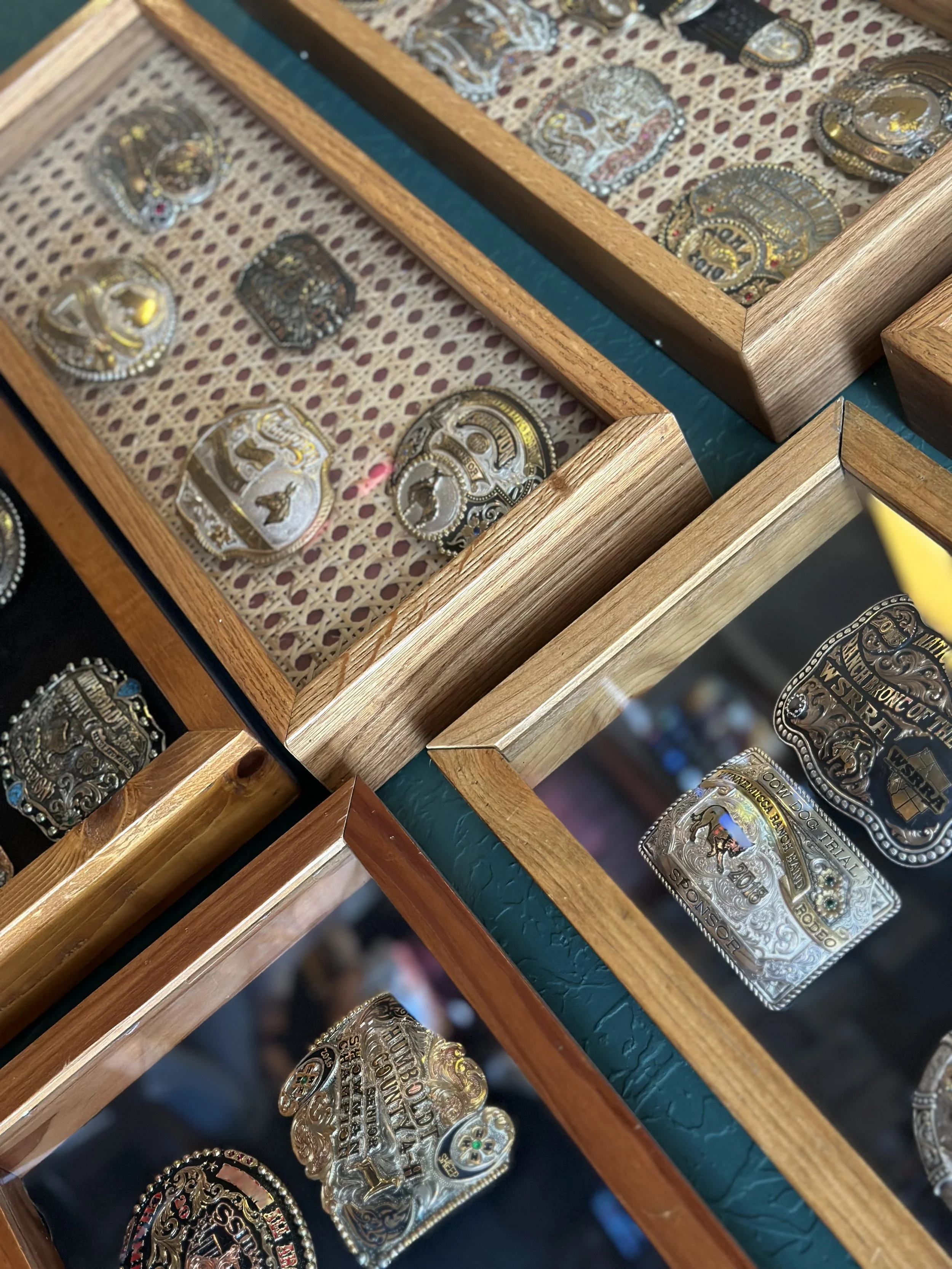
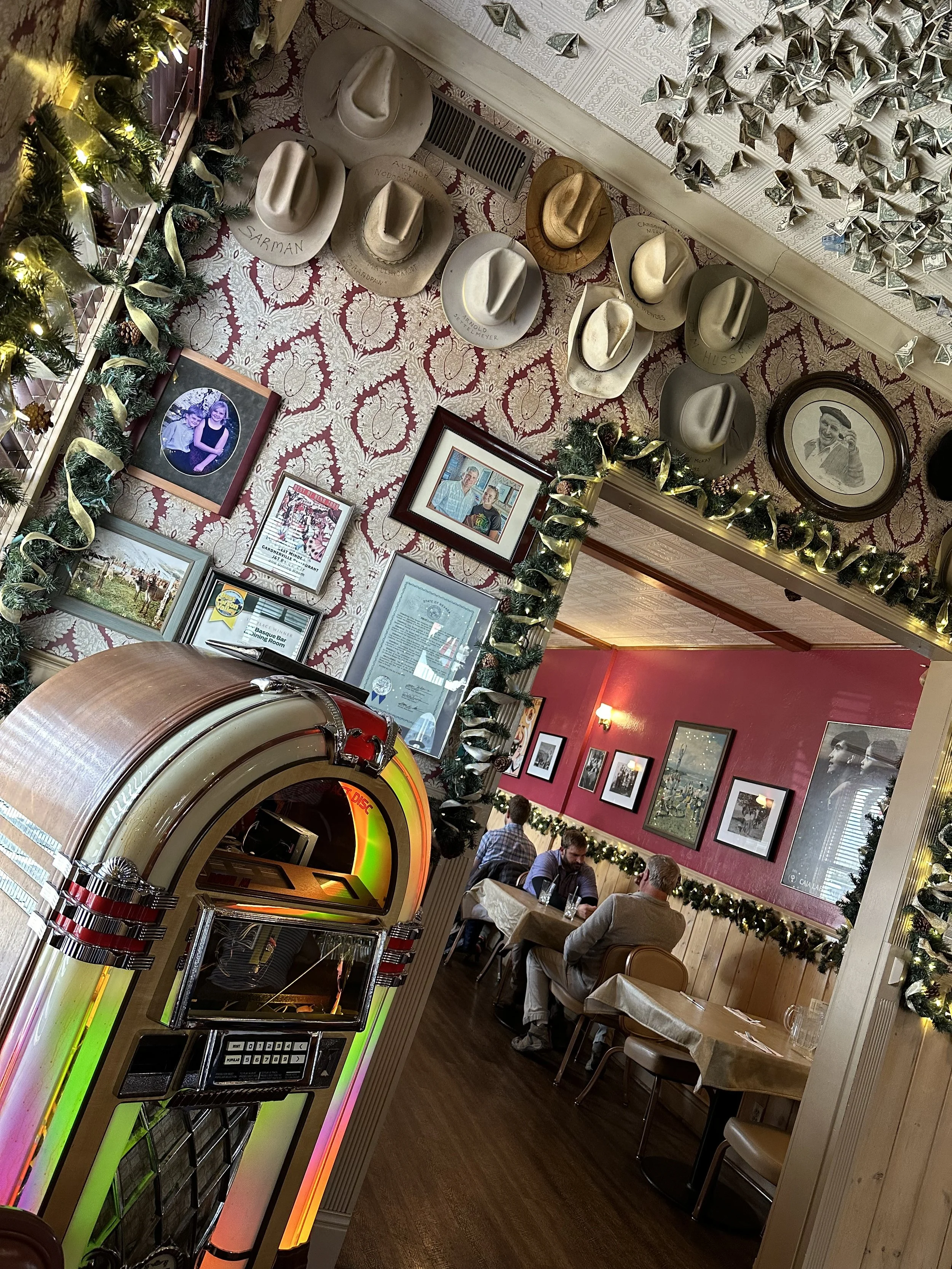
If The Fe represented where Basque dining is going, J.T. Basque — open since 1946 and always in the care of the Lekumberry family — is where it has always been. I'm here to talk with Marie Louise about the history of the restaurant and the parts of the culture that are still celebrated there today. Over a delicious chorizo burger (locally sourced and thoroughly delicious) and a “side” salad large enough to feed a family of four, I asked about the history of her restaurant and what makes it such a special place to so many. She replies very simply, “The spirit, It’s in the walls” and as you look around the bar at the various clippings, vintage local event posters and 4H awards, you can see and feel it too. But one also can’t help but notice the hats. Cowboy hats, trucker caps, military berets all hung neatly in rows. Many, if not all with names inscribed on them… Sarman, Borda, Settlemayer. Names, families, histories from the surrounding ranches and town, names that are as much a part of these places as the proprietors. Generations of Nevadans who’ve added to the unique patina of these places with their love for community, for these meals, for the shared sense of place they offer. Mary Louise notes that generations of these families now come back, often together to share in the experience. “I’m now serving families that came here as children many years ago”. Asked what that means to her, she becomes wistful. “It means we are making people happy and keeping the spirit alive”. For her and many like her this has special meaning. “We are because we were”, the Basque ethos come to life.
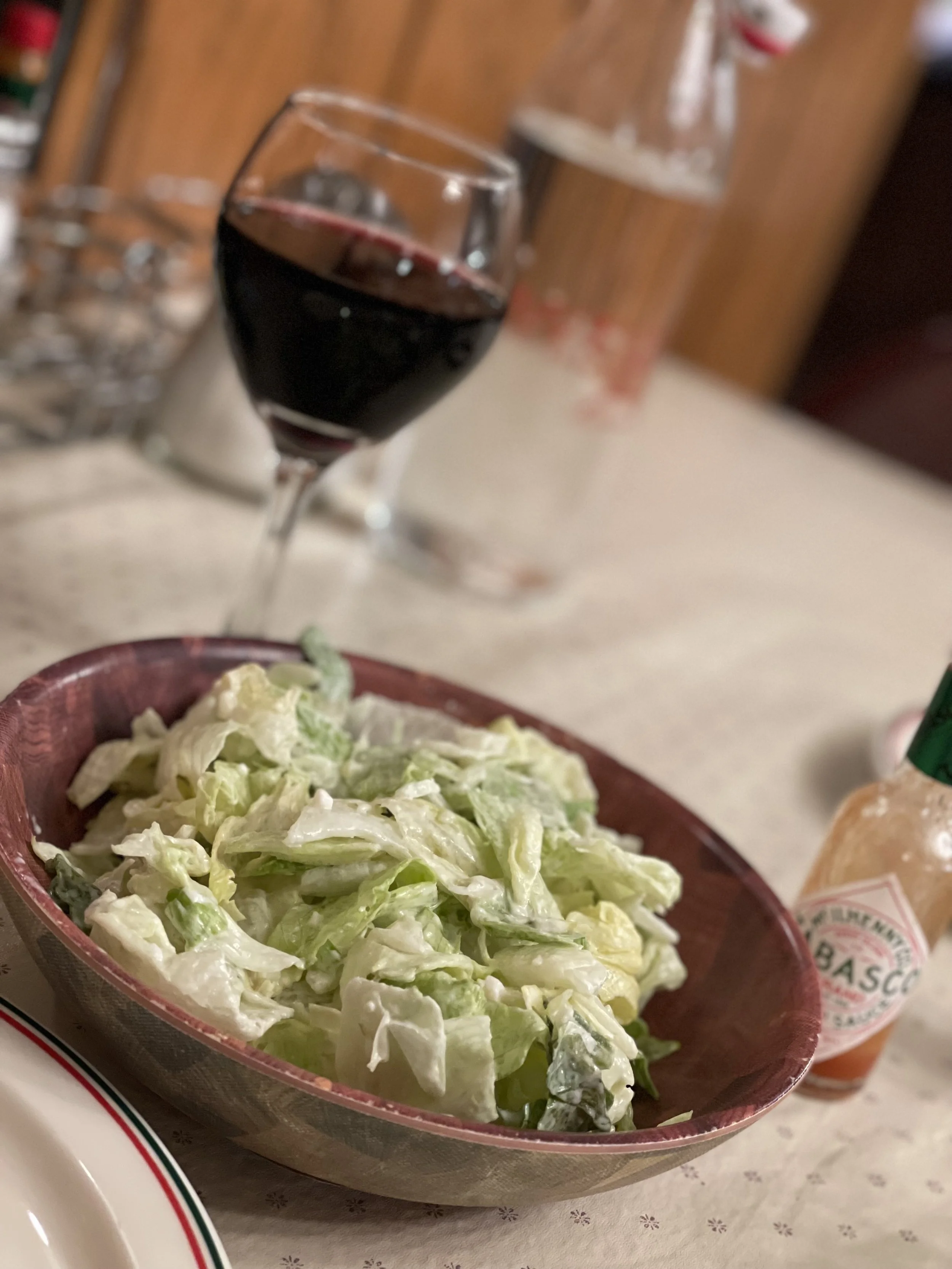
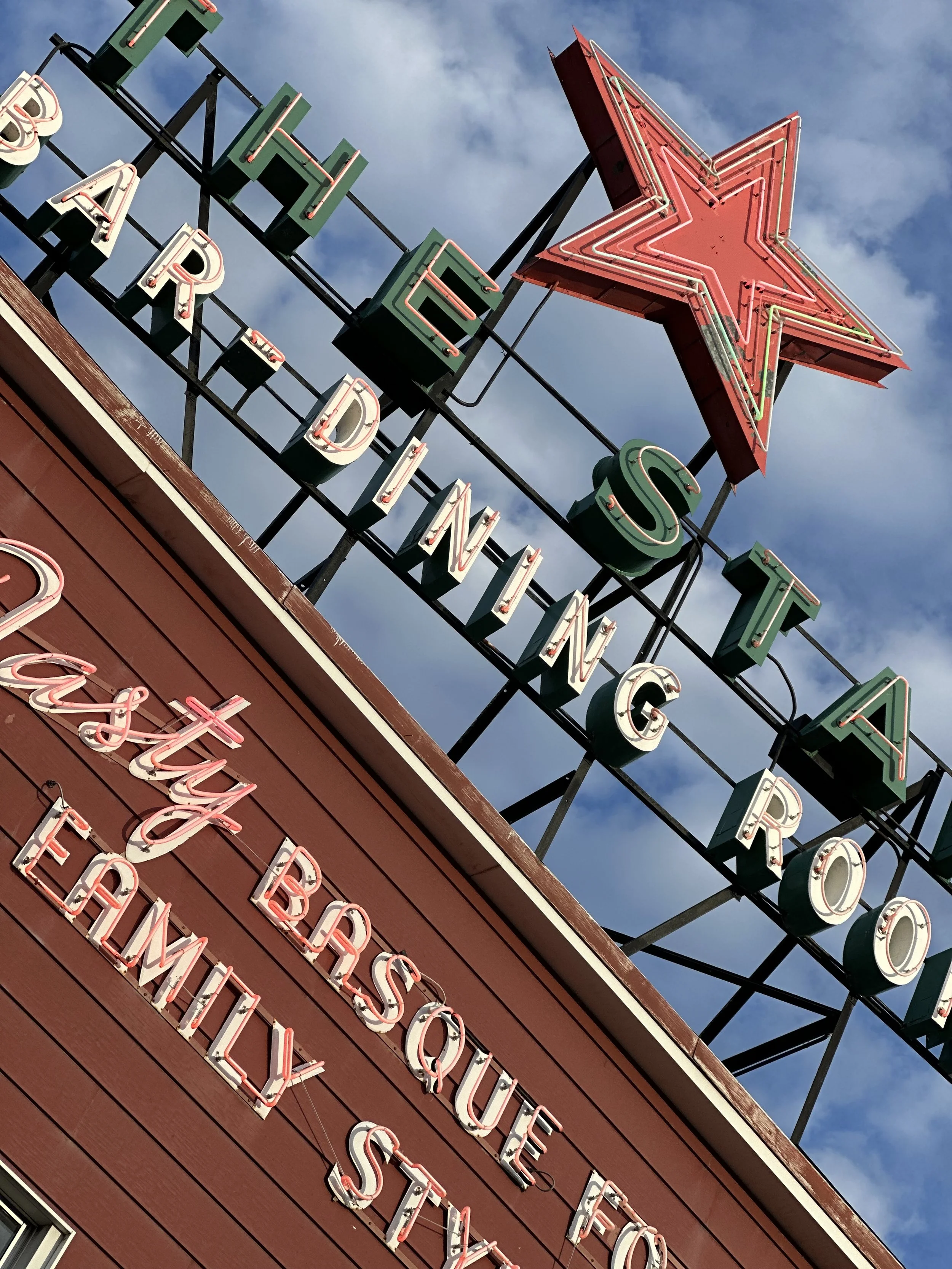
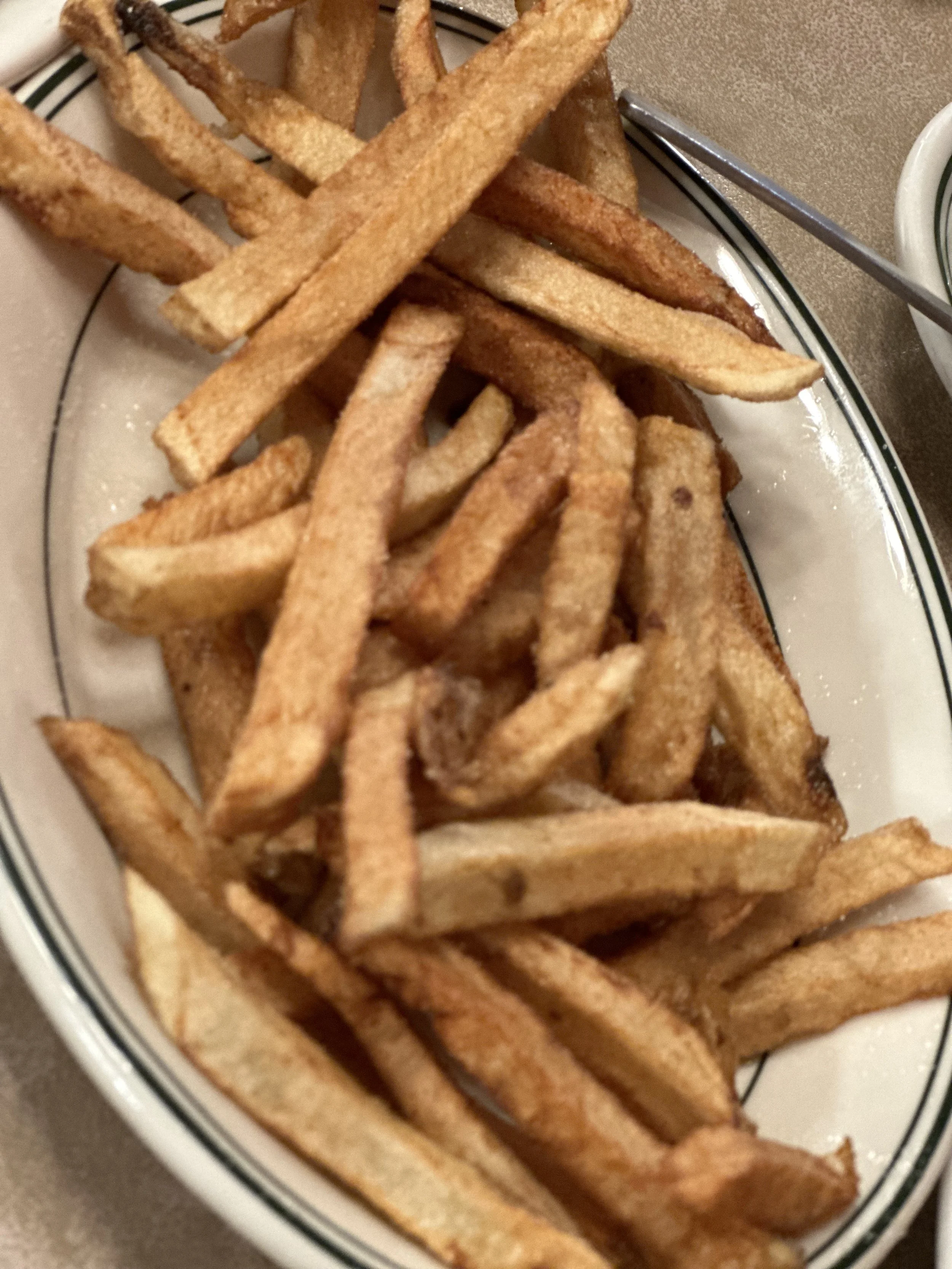
However, if there is one place in Nevada that distills everything the Basque tradition means — the welcome, the warmth, the table that makes a stranger feel like family — it is The Star Hotel in Elko. Unassuming from the outside, as these places always are, it has stood for over a century as a boarding house, a gathering place, and a living archive of Basque culture in the high desert. Go alone, as I once did, and you will not feel alone for long. The soup comes first, then bread, then salad, then the lamb chops — charcoal-kissed at the edges, pink at the center, carrying that faint mineral sweetness that only comes from animals that have actually lived on open land. This is Nevada lamb, raised on the same high desert ranches that brought the Basque here in the first place, and the difference is immediate. The wine glass here stays full without asking. families celebrate, and smiles abound. And then there are the fries. Hand-cut, fried to order, arriving impossibly hot with that slightly overdone color that signals something made with actual conviction. Crispy outside, pillowy within. These fries need nothing but salt and your full attention, and even then they'll be gone before you're ready. I have eaten in rooms that carry Michelin stars. I have never forgotten those fries.
The Star isn't a detour. It's the destination.
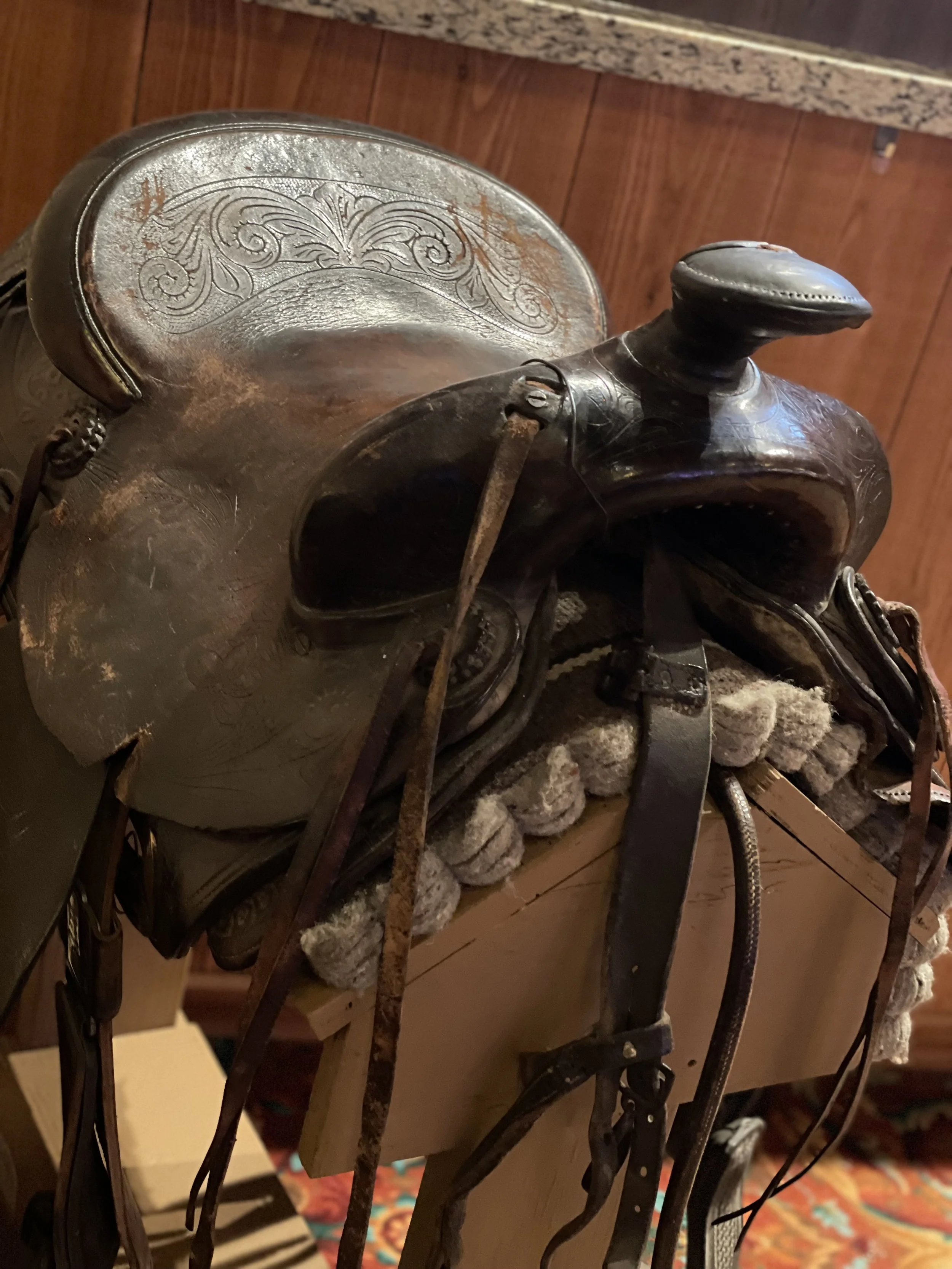
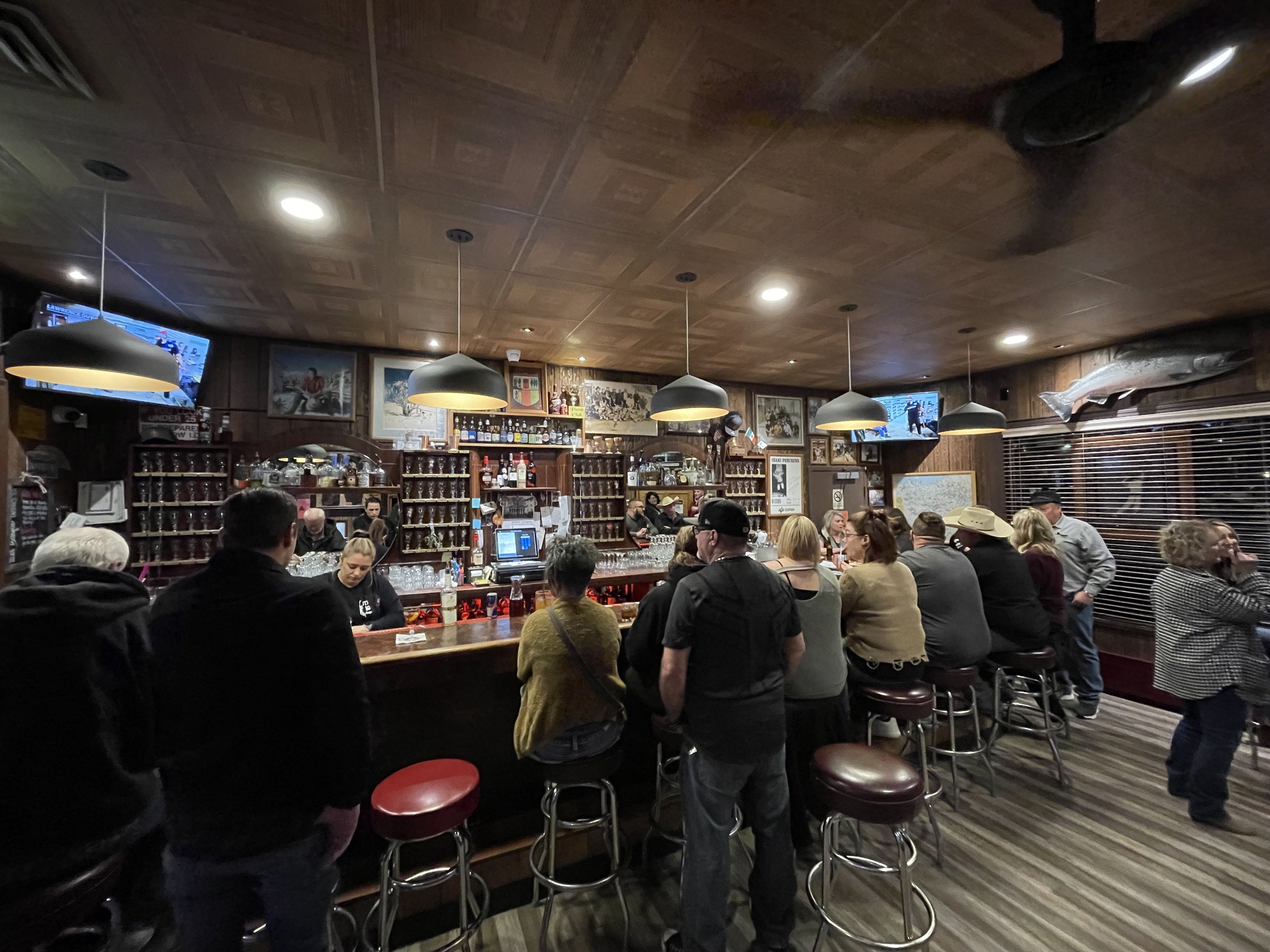
As Northern Nevada continues to grow and change — the tech campuses rising, the skyline shifting, the new restaurants opening — the Basque houses remain. They don't adapt to the moment because they don't need to. The bread still comes. The wine glass stays full. Strangers become neighbors somewhere between the soup and the lamb chops. These places are not museums to a vanished culture. They are the culture, still breathing, still pulling up a chair.
You don't need to travel to the Pyrenees. Order a Picon Punch. Look around the room — at the hats, the families, the faces of people who have been coming here their whole lives and will bring their children back to do the same. You're already there.
We are because we were.
Topa. 🥂